
Most cold emails don’t get ignored because they’re cold, they get ignored because they’re lazy.
You know the type: generic intros, zero context, no real reason to reply. And yet people still hit send and hope for magic. That’s not outreach. That’s wishful thinking.
If you want more yeses, every part of your campaign needs to work harder. That includes your message, but also your sender reputation, your list quality, your timing, and your follow-up strategy.
Positive replies don’t come from luck. They come from doing the right things, in the right order. This article shows you how.

AI is reshaping digital marketing by transforming how brands create and consume content. With AI, companies can scale content production quickly without sacrificing quality. Undetectable AI content offers a unique advantage, seamlessly blending with human writing to boost engagement and meet growing demands. This allows marketers to maintain authenticity and trust while delivering high-quality content at scale.
The challenge lies in using AI to improve marketing ROI. Many businesses discover that AI boosts efficiency, delivers better results, and enhances campaign performance, ultimately driving significant value across platforms. As technology advances, AI becomes a critical tool for building effective and sustainable marketing strategies.

First impressions decide if someone stays or leaves. A clear layout, smooth flow, and fast loading tell visitors they are in the right place. People value ease and clarity when they explore a site. Every second counts, and every click shapes trust.
Once interest sparks, the experience must remain consistent. Friendly design pairs with solid systems behind the scenes. Together, they create a path that is easy to follow and free from confusion. This mix turns a simple visit into the start of a relationship. Visitors return when each interaction confirms they made the right choice.

If you've ever stared at a slow pipeline and thought, Where are all the good leads?, this post is for you. B2B prospecting isn't always steady. One week you're booking meetings right and left, the next everything goes quiet.
That kind of stop-start pace wastes time, stalls deals, and drags down your numbers.
The right lead tools change that. With the right setup, you can:
- Find leads that match your ICP (not just anyone with a job title)
- Check contact details so you’re not chasing ghosts
- Keep your pipeline full without burning hours on research
- Make cold outreach less painful
Below, you’ll find six tools built to help sales teams find the right people and reach out with purpose.

You've seen it happen too often. You spend time, money, and energy to land a new pest control customer. Then they quietly vanish after a few visits. That hard-won relationship disappears into thin air. So does all its value, and the revenue it would've brought in for years.
As a pest control business owner, you're stuck in a familiar cycle. You scramble to fill your schedule in the winter. Then you struggle to keep up in the summer. Meanwhile, your marketing budget keeps chasing new customers while current ones slip away. Often they leave for reasons you could've fixed with ease.
But what if there's a better way? What if your business stopped being a revolving door of one-time jobs? What if it became a steady, predictable company built on long-term customers?
The numbers make a strong case. Bain & Company research found that raising customer retention rates by just 5% can raise profits by 25% to 95%. Pest Control Technology goes further. It reports that 91% of customer cancellations can be controlled and prevented. The top reason (62%) is that customers feel the company no longer cares about them.
In this post, we'll walk through ways to build year-round bonds that keep customers coming back each season. You'll learn how to set up loyalty programs that work. You'll see how to use tech to make contact with customers easier. You'll also learn how to match your services to seasonal pest patterns. Then we'll lay out a plan that fits your company's size.
Maybe winter revenue drops are your problem. Maybe it's keeping in touch. Or maybe you just want more lifetime value from each customer. Either way, this research-backed report gives you the steps you need to raise your retention rates. Your bottom line will thank you.

Written By: Chad J. Treadway | August 11, 2025
Chad is our Chief Smarketing Officer. He will help you survey your small business needs, educating you on your options before suggesting any solution. Chad is passionate about rural marketing in the United States and North Carolina. He also has several certifications through HubSpot to better assist you with your internet and inbound marketing.
Your school's FAQ page is probably doing exactly what most FAQ pages do: absolutely nothing.
Sure, it's sitting there on your website like a digital participation trophy, dutifully answering questions about lunch menus and dress codes. But here's the uncomfortable truth: while you're busy creating an information graveyard, your competitors are turning their FAQs into enrollment machines.
According to data, the average private school website conversion rate is less than 2%. However, by optimizing your website for conversions, schools have increased their average conversion rates to over 5%. That's not just a minor improvement—that's the difference between scrambling to fill seats and having a waiting list. Research from HubSpot shows that "companies see a 55% increase in leads when they increase the number of landing pages from 10 to 15," with those having over 40 landing pages seeing conversion increases of more than 500%.
The problem isn't that your FAQs are answering the wrong questions. The problem is that they're not doing anything with the answers. Most schools treat their FAQ section like a digital dumping ground for information they don't want to put anywhere else. But savvy marketing directors know better.
Your FAQ page should be working harder than your admissions director during enrollment season. It should be qualifying prospects, addressing objections, building trust, and most importantly, converting curious browsers into tour-booking, application-submitting, tuition-paying families.
According to Toptal's research, "around 46% of consumers say they prefer communicating with customers through live chat over email or social media," making FAQ pages with integrated communication options particularly effective. Creating content with clear readability is also crucial—Backlinko's statistics show that content written at a 5th to 7th-grade level achieves an 11.1% conversion rate, compared to just 5.3% for college-level content.
Here's how to turn those frequently asked questions into frequently enrolled students.

Written By: Adam Bennett | August 11, 2025
Adam is the president and founder of Cube Creative Design and specializes in private school marketing. Since starting the business in 2005, he has created individual relationships with clients in Western North Carolina and across the United States. He places great value on the needs, expectations, and goals of the client.

In today's digital environment, every click, page view, or entry of personal data leaves a trace. Therefore, trust between the user and the web resource is of key importance. Digital trust is no longer just a trend, as it used to be. It is a necessity for anyone who creates or manages websites. Users increasingly expect web resources to be secure, honest in their handling of their data, and transparent in their actions.
Picture this: The halls are buzzing with excited students, teachers are frantically putting the final touches on classrooms, and parents are simultaneously snapping photos and wiping away tears. It's the magical chaos of the first week of school—a whirlwind of activity that most K-12 private schools are too busy navigating to leverage for marketing.
If you're nodding along, thinking "that's us," you're not alone. The National Association of Independent Schools found that despite 93% of schools recognizing marketing as important, many still struggle with consistent implementation. Most private schools are so focused on operational logistics during the first week that they completely overlook the goldmine of content opportunities right in front of them. But here's the reality check: those missed opportunities are costing you engagement, diluting your brand, and potentially impacting future enrollment. According to Private School Review, private schools that effectively document and share their school culture see up to 30% higher inquiry-to-enrollment conversion rates.
First impressions matter critically in education marketing, with over three-quarters of potential families evaluating schools through their digital presence. Early-year content creation establishes a strategic foundation for ongoing engagement efforts.
Written By: Adam Bennett | August 08, 2025
Adam is the president and founder of Cube Creative Design and specializes in private school marketing. Since starting the business in 2005, he has created individual relationships with clients in Western North Carolina and across the United States. He places great value on the needs, expectations, and goals of the client.
Remember when choosing a school meant driving around the neighborhood and asking the lady next door about her kids' teachers? Those days went the way of dial-up internet. They're about as useful to today's parents as they sort through K-12 private school choice.
Today's parents don't just look up schools. They run full-scale online investigations that would make a private detective proud. They cross-check online reviews, study social media feeds, and comb websites for old facts. They join Facebook groups where they pick apart everything from cafeteria menus to teacher turnover rates. It's a brave new world where a school's Instagram might matter as much as its test scores.
The stakes couldn't be higher. For parents, picking the right school is one of the biggest choices they'll make for their children's future. For schools, knowing how today's tech-savvy parents research and weigh their options isn't a nice extra. It's how a school survives as the fight for families gets harder each year.
Online research has changed the way families choose schools at the root. That shift brings new chances and new problems for parents and schools alike. Doing well now means knowing what parents want to learn, but also how they find it, how they judge it, and how they use it to make a choice that will shape their kids' schooling.
Written By: Adam Bennett | August 08, 2025
Adam is the president and founder of Cube Creative Design and specializes in private school marketing. Since starting the business in 2005, he has created individual relationships with clients in Western North Carolina and across the United States. He places great value on the needs, expectations, and goals of the client.

A homeowner notices ants marching into the pantry. It is 10:30 PM, and instead of pulling out a phone book or asking a neighbor, their first instinct is to pull out their phone and search, “ant control near me.” Just minutes later, they are clicking through local pest control websites, reading reviews, and deciding who to call.
Pest control companies without a strong online presence are leaving dozens, if not hundreds, of leads on the table every month. Word-of-mouth referrals and print advertising still make an impact, but if you don't have a well-optimized digital marketing strategy, you are invisible to a huge share of your market.

Artificial Intelligence is changing the landscape of legal services. What once required hours of manual drafting and revision can now be automated with intelligent systems that understand structure, tone, and terminology. But in law, accuracy isn’t optional-it’s mandatory. That’s where the challenge lies: how do you harness the speed and flexibility of AI without sacrificing the rigor and reliability legal work demands?
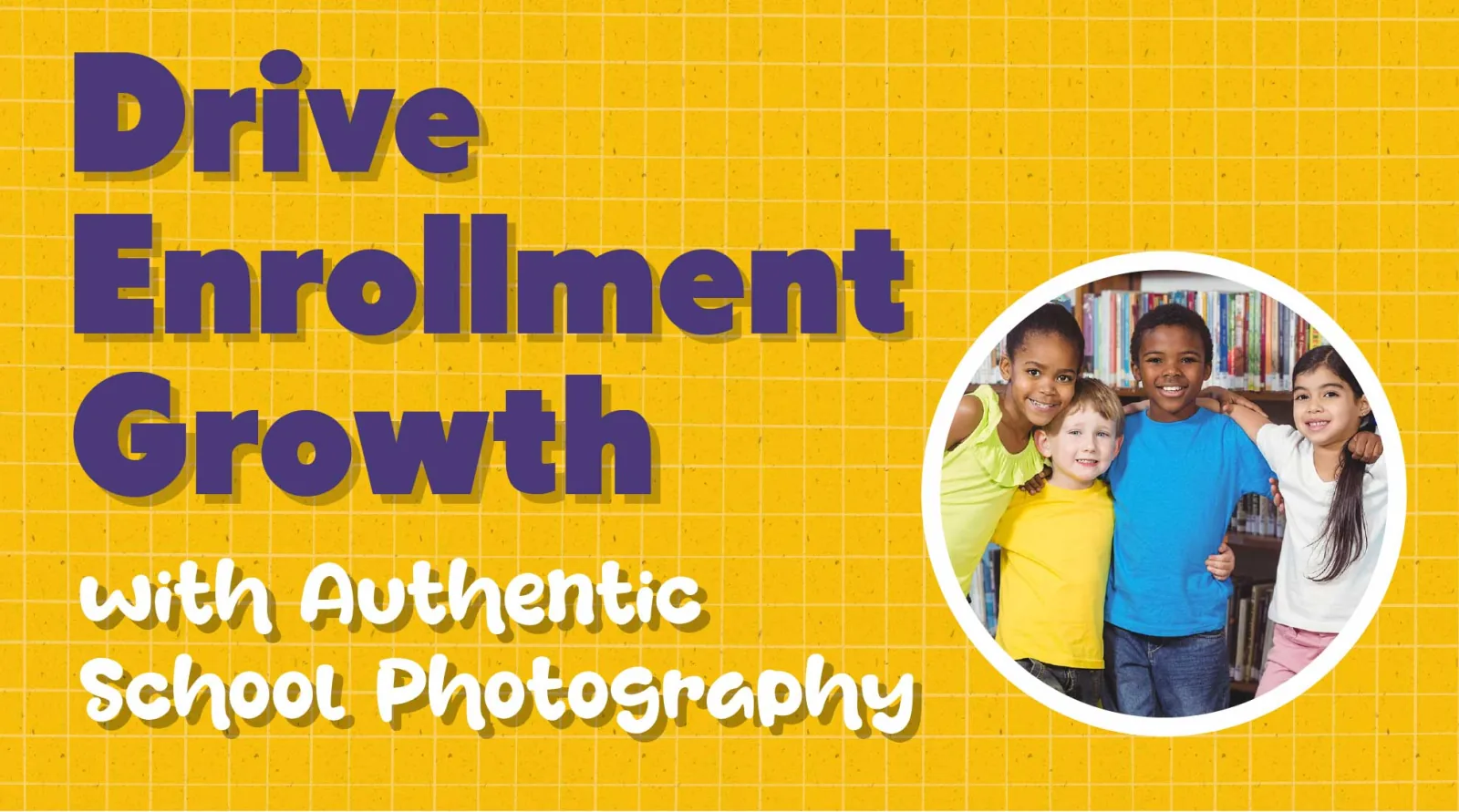
Here's a harsh truth that most private school marketing directors don't want to hear: your carefully curated stock photos aren't fooling anyone. Parents can spot a staged "diverse group of students having fun" from a mile away, and their trust evaporates faster than morning dew on artificial turf.
While you're busy perfecting your mission statement and polishing your curriculum descriptions, prospective families are making split-second decisions about your school based on a single factor: your photography. The average private school website conversion rate is less than 2%. However, by optimizing their websites for conversions, schools have increased their average conversion rates to over 5%.
The difference between schools that struggle to fill enrollment and those with waiting lists often comes down to one crucial element: authentic visual storytelling that connects emotionally with parents. In an era where "humans process visual information 60,000 times faster than text" (Source: Search Engine Journal), your photography isn't just decoration—it's your most powerful enrollment tool.
This guide will transform how you think about school photography, moving beyond pretty pictures to conversion-focused visual strategies that actually move enrollment numbers. Whether you're managing a $250,000 marketing budget or stretching $15,000 to cover everything, these research-backed techniques will help you capture images that turn website visitors into tour requests and tour requests into enrolled families.
Written By: Adam Bennett | August 06, 2025
Adam is the president and founder of Cube Creative Design and specializes in private school marketing. Since starting the business in 2005, he has created individual relationships with clients in Western North Carolina and across the United States. He places great value on the needs, expectations, and goals of the client.