
Classic SEO reporting fixates on keyword position graphs and traffic charts, but those lines never quite respond to the one question that counts: which queries, pages, and touchpoints really create customers instead of vanity clicks, and which ones stealthily burn budget and time despite nice screenshots in a deck once per month.
AI SEO analytics offers greater clarity by correlating signals from AI-generated answers, SERP fluctuations, and on-site behavioral reactions into a single story about cause and effect, condensing guesswork and revealing what truly drives conversions. With AI in SEO transforming how attention flows, SEO analytics needs to move from static dashboards to responsive systems explaining why performance shifted and where to take action next for quantifiable increases in SEO visibility and revenue.

Do you find your home service business struggling to stand out in an increasingly crowded marketplace? You're not alone. With the U.S. home services market projected to reach $1.42 trillion by 2030 and growing at a CAGR of 10.23%, competition for customer attention has never been fiercer. This growth forecast has been verified by recent market research from Mordor Intelligence.
But there's a secret weapon that can make your plumbing, HVAC, roofing, or cleaning business irresistible: a compelling value proposition.
In this comprehensive guide, we'll walk you through creating value propositions that not only engage your audience but also convert prospects into loyal customers. You'll learn how to highlight your business's distinct advantages with a special focus on building trust and pricing transparency – two elements that matter most to today's home service customers.

Written By: Chad J. Treadway | September 29, 2025
Chad is our Chief Smarketing Officer. He will help you survey your small business needs, educating you on your options before suggesting any solution. Chad is passionate about rural marketing in the United States and North Carolina. He also has several certifications through HubSpot to better assist you with your internet and inbound marketing.
The pest control industry stands at a remarkable crossroads of opportunity. Far from being a static, necessity-driven service, the sector is experiencing dynamic growth fueled by powerful macroeconomic and environmental trends. Straits Research projects the global pest control market will surge from $25.86 billion in 2024 to $40.81 billion by 2033, advancing at a compound annual growth rate of 5.2%. Even more impressive, the market reached $28.4 billion in 2024 after maintaining an 8.6% average annual growth rate over the past five years, according to Kentley Insights.
This industry-wide momentum doesn't just happen by chance. Several key global drivers are fundamentally increasing demand for professional pest management services:
- Accelerating Urbanization: The continuous global shift toward urban living concentrates populations, creating denser environments. This exponential rise in population inadvertently establishes more favorable habitats for pests, heightening the need for structured, professional control measures.
- Climate Change Impact: Tangible shifts in global weather patterns are having a direct and measurable impact on pest populations. As Terminix reports, "Warmer temperatures and increased precipitation extend breeding seasons, accelerate insect metabolism, and expand the geographic territories of various pests." This phenomenon, known as increased "pest pressure," translates into more frequent, severe, and widespread infestations.
- Evolving Consumer Awareness: Modern consumers are increasingly informed about health risks associated with pests. This heightened awareness pairs with growing preferences for sustainable, eco-friendly, and professionally administered solutions over less effective do-it-yourself methods.
In this thriving but increasingly competitive landscape—populated by over 34,000 businesses in the U.S. alone—sustainable growth doesn't happen accidentally. It's the result of a deliberate, multi-faceted strategy that systematically integrates market expansion, service innovation, team development, technological leverage, and disciplined financial planning.
Ready to transform your pest control operation into a scalable, profitable enterprise? Let's crawl into the details—because in this business, even small steps can lead to tremendous growth. (And that's the only "bug" pun I'll make today... probably.)
Written By: Chad J. Treadway | September 29, 2025
Chad is our Chief Smarketing Officer. He will help you survey your small business needs, educating you on your options before suggesting any solution. Chad is passionate about rural marketing in the United States and North Carolina. He also has several certifications through HubSpot to better assist you with your internet and inbound marketing.
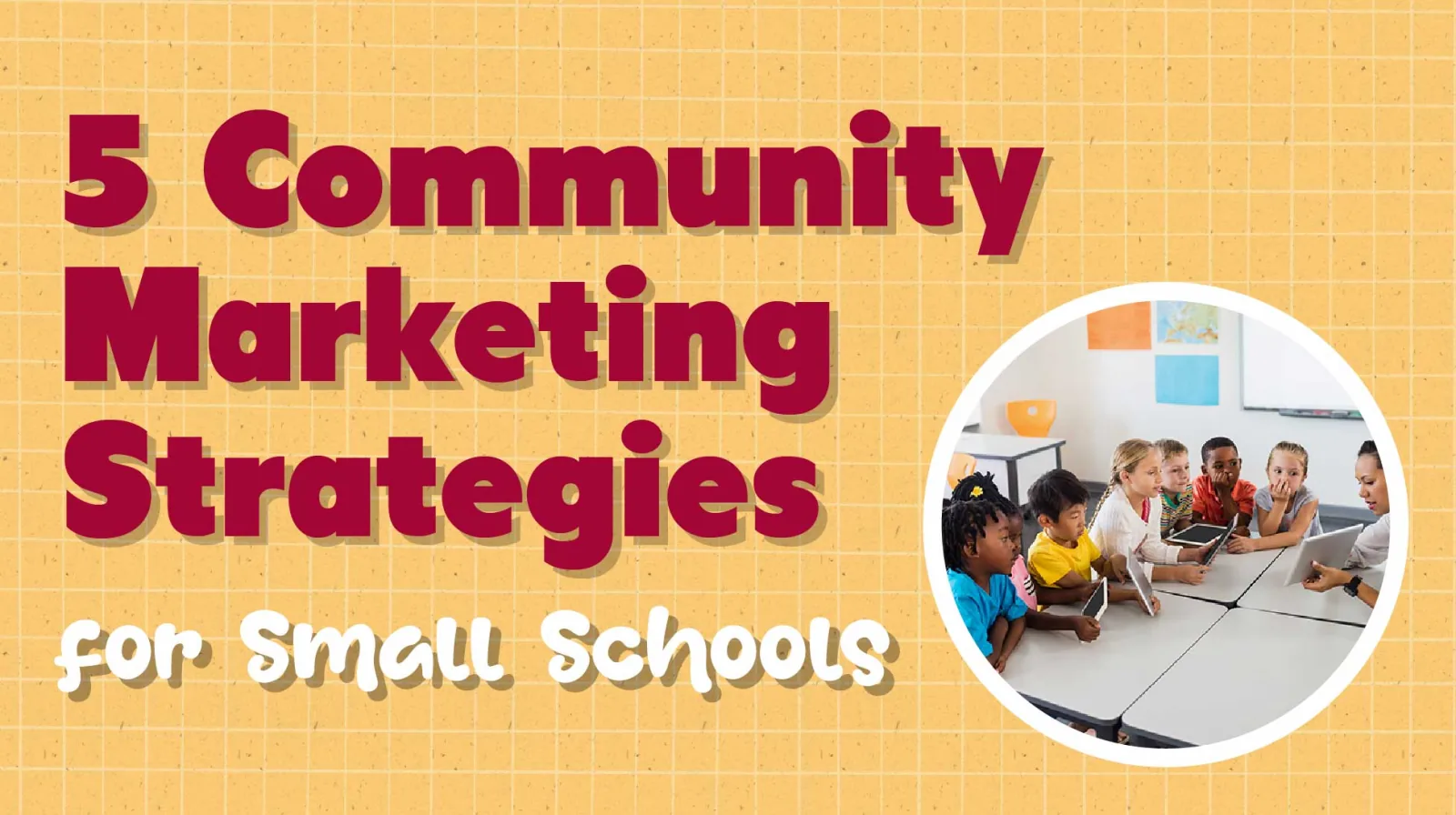
Let's be honest — when you're running a small private school, "marketing budget" often feels like an oxymoron. You're expected to compete with bigger schools that have glossy viewbooks, fancy websites, and marketing directors who don't also teach three classes, coach volleyball, and unplug toilets (sometimes all before lunch).
Here's the good news: Your smaller school has a secret marketing superpower hiding in plain sight. It's not your budget, your branding, or even your fancy new logo. It's your community — the authentic, deeply-rooted network of relationships that larger schools can't easily replicate.

Written By: Adam Bennett | September 29, 2025
Adam is the president and founder of Cube Creative Design and specializes in private school marketing. Since starting the business in 2005, he has created individual relationships with clients in Western North Carolina and across the United States. He places great value on the needs, expectations, and goals of the client.

Advanced email automation goes far beyond the "welcome email, then weekly newsletter" approach that most businesses settle for. We're talking about intelligent systems that monitor customer behavior across multiple touchpoints and respond with precisely timed, contextually relevant messages.
This includes behavioral trigger sequences that activate when someone browses specific product categories, abandons their shopping cart, or downloads a resource. Dynamic content personalization adjusts email content based on past purchases, location, or engagement patterns. Predictive analytics identify when customers are most likely to make repeat purchases or when they're at risk of churning.
Setting up these sophisticated workflows requires careful planning and technical expertise. Many businesses find that working with a trusted ActiveCampaign consultant helps them navigate the complexity of advanced automation setup, ensuring proper integration between their CRM, e-commerce platform, and other business tools. The most sophisticated systems can even adjust send times for each individual recipient based on when they're most likely to engage, creating truly personalized communication schedules.

Let's face it — gone are the days when parents simply enrolled their kids in the nearest private school with a decent reputation. In 2025, we're dealing with a whole new breed of educational consumers who are simultaneously more satisfied with their current schools and more likely to be shopping for alternatives.
Yes, you read that right. It's what I call the "Satisfaction Paradox," and it's completely upending how we need to think about attracting and retaining families. According to the National School Choice Awareness Foundation, a staggering 60% of U.S. parents considered switching schools for at least one of their children last year — even though most report being satisfied with their current school.
Why? Because today's parents aren't just problem-solvers; they're optimization machines. The operative question is no longer "Is this school failing my child?" but rather "Could another school give my child an even greater advantage?"
If you're still marketing your school like it's 2015, you're already behind. This post will decode what's really driving parent decisions in 2025 and give you actionable strategies to not just survive but thrive in this hyper-competitive landscape.
Written By: Adam Bennett | September 26, 2025
Adam is the president and founder of Cube Creative Design and specializes in private school marketing. Since starting the business in 2005, he has created individual relationships with clients in Western North Carolina and across the United States. He places great value on the needs, expectations, and goals of the client.
You've built a solid pest control business with effective treatments and skilled technicians, but potential customers hesitate to pick up the phone. Does this sound familiar?
For pest control businesses, building trust isn't just important—it's essential. When customers invite you into their homes to handle potentially dangerous pests and chemicals, they need absolute confidence in your expertise and reliability.
Your website serves as your digital handshake—and research shows it makes this impression with startling speed. Studies from Stanford's Persuasion Technology Lab reveal visitors form their initial judgment about your credibility within just 50 milliseconds of landing on your site—entirely based on visual design before they read a single word.
Ready to transform your pest control website into a trust-building powerhouse? We'll walk you through six proven strategies that convert hesitant browsers into confident customers. BrightLocal research found that 93% of consumers research a service business online before making contact, and websites with strong trust signals can increase conversion rates by up to 67%.
By the end of this article, you'll have practical, actionable strategies to showcase your expertise and win over skeptical homeowners and business managers alike.
Written By: Chad J. Treadway | September 26, 2025
Chad is our Chief Smarketing Officer. He will help you survey your small business needs, educating you on your options before suggesting any solution. Chad is passionate about rural marketing in the United States and North Carolina. He also has several certifications through HubSpot to better assist you with your internet and inbound marketing.
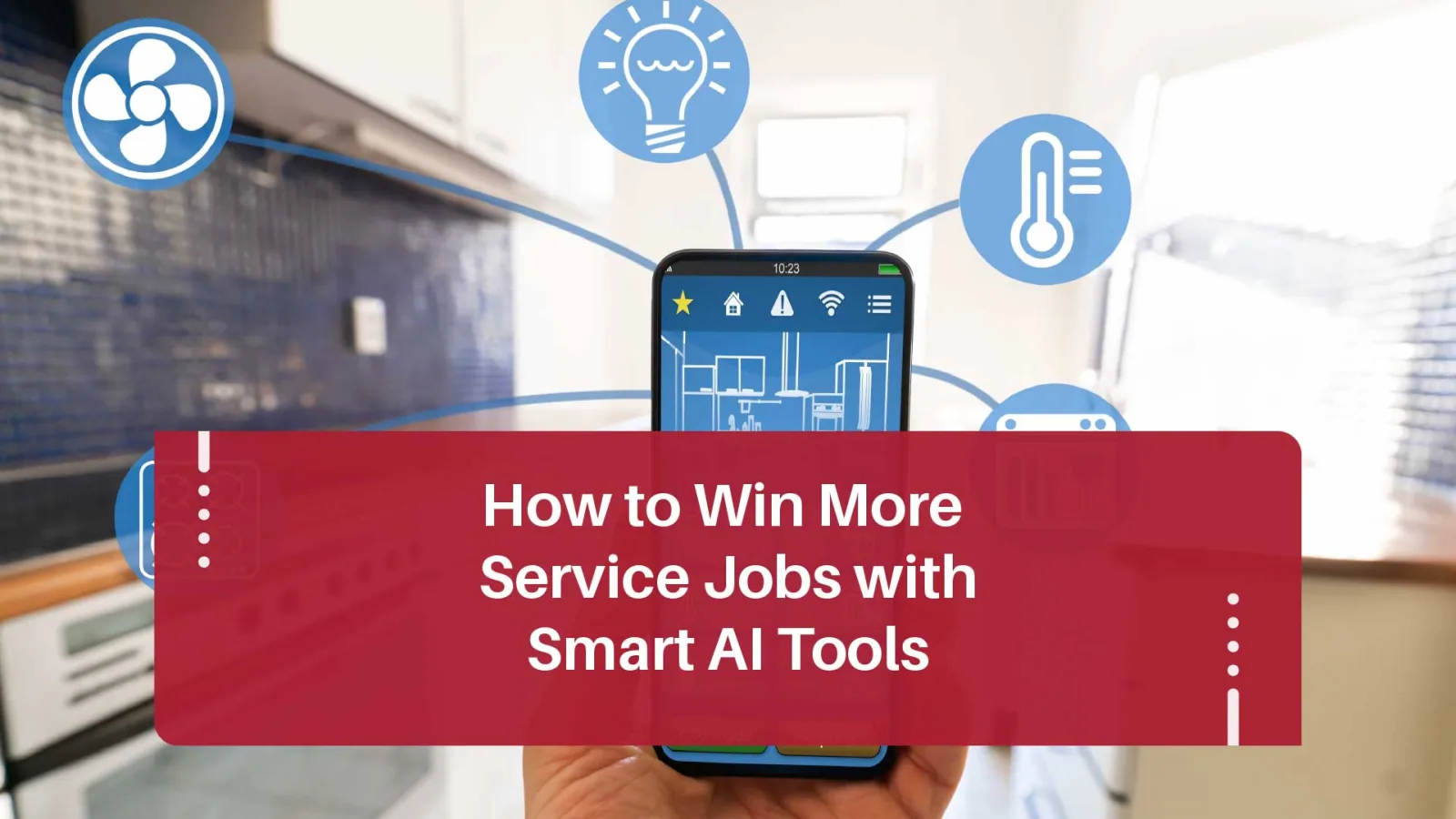
If you're drowning in paperwork, juggling technician schedules on a whiteboard, and losing jobs to competitors who show up faster, you're not alone. The typical home service business owner spends 17+ hours weekly on administrative tasks that could be automated. Meanwhile, your most experienced technicians waste hours driving between jobs that could have been routed more efficiently, and customers are increasingly choosing competitors who offer real-time updates and precise appointment windows.
Welcome to 2025, where artificial intelligence isn't just for tech giants; it's revolutionizing how plumbers fix leaks, handymen hang shelves, and cleaners tackle that mysterious stain in the corner of your client's basement.
"The global field service management market is projected to reach $11.61 billion by 2032, growing at a compound annual growth rate (CAGR) of 12.7% during the forecast period (2025-2032)." (Source: SkyQuest)
Mordor Intelligence reports, "The field service management market size is expected to reach $5.52 billion in 2025 and grow at a CAGR of 11.70% to reach $9.60 billion by 2030."
Here's your comprehensive guide to understanding and implementing AI in your home service business, no computer science degree required.
Written By: Adam Bennett | September 26, 2025
Adam is the president and founder of Cube Creative Design and specializes in private school marketing. Since starting the business in 2005, he has created individual relationships with clients in Western North Carolina and across the United States. He places great value on the needs, expectations, and goals of the client.

Personalization promises sharper messaging, better timing, and higher ROI. But adding content personalization tools to your existing stack isn’t a matter of plug-and-play, it’s a cross-functional project that touches data, tech, people, and process. For marketing managers staring down integration decisions, vague roadmaps and tool-centric pitches aren’t enough. You need a working plan that gets it live without wrecking everything else. Here’s how to approach it.

Keywords are the words or phrases people type into Google when they need help. For example, someone might search for “divorce lawyer near me” or “how to file a personal injury claim.” To get the relevant traffic, you'll need to focus on what potential clients actually type in the search engines.
To find this, start with tools like Google Keyword Planner or Ubersuggest. These platforms show you which terms people use most often. Look for ones that match your practice areas. For instance, if you handle car accident cases, try searching for “car accident lawyer [your city].” Add location-based words like “near me” or your city name. This helps local clients find you.
Add in the long-tail keywords, too. These are longer, more specific phrases like “best workers’ compensation attorney for back injuries.” Long-tail keywords may have less competition and bring higher-quality leads. Once you’ve got your list, sprinkle those keywords naturally throughout your website.
For pest control businesses, navigating the path from potential customer to loyal client is much like tracking and eliminating an infestation—it requires systematic methods, proper identification, and effective follow-through. This journey, traditionally called the sales funnel, is essential to any successful pest control operation, regardless of your company's size.
Whether you're a solo operator servicing a small suburban territory or managing a multi-county operation with dozens of technicians, understanding the unique stages of the pest control customer journey can dramatically improve your lead conversion rates and build a sustainable business.
But here's the hard truth: the traditional, linear sales funnel no longer reflects reality. Research from Forrester reveals that today's customers travel more like a "highway" than a funnel—they merge at different points, change lanes unexpectedly, and sometimes exit only to return later. This is especially true in pest control, where emergency situations can cause customers to skip entire stages of the traditional buying process.
Let's explore how to build and optimize a modern sales system specifically designed for pest control businesses, with practical strategies that work across seasonal fluctuations and different business sizes.
Written By: Chad J. Treadway | September 24, 2025
Chad is our Chief Smarketing Officer. He will help you survey your small business needs, educating you on your options before suggesting any solution. Chad is passionate about rural marketing in the United States and North Carolina. He also has several certifications through HubSpot to better assist you with your internet and inbound marketing.
Did you know that according to the National University, "77% of companies are either using or exploring the use of AI" in their businesses, and this trend is rapidly extending to home service companies? In fact, studies suggest AI adoption in home service businesses could boost productivity by up to 40% in 2025. As someone who's worked with dozens of home service businesses on their tech strategies, I've seen firsthand how the right AI tools can completely transform operations.
Verified Market Research stated, "The home service industry, covering everything from plumbing and HVAC to landscaping and cleaning, faces unique challenges that AI is particularly well-suited to address. With the U.S. home services market valued at $211.71 billion in 2023 and projected to reach $893.18 billion by 2031, businesses that embrace AI will have a significant competitive advantage."
But here's the thing: many home service business owners aren't sure where to start with AI or how it applies to their daily operations. If you're wondering how AI fits into a world of physical tools and hands-on work, you're not alone. Let's break down how this technology is changing the game for home service professionals and why it matters for your business in 2025.
Written By: Chad J. Treadway | September 24, 2025
Chad is our Chief Smarketing Officer. He will help you survey your small business needs, educating you on your options before suggesting any solution. Chad is passionate about rural marketing in the United States and North Carolina. He also has several certifications through HubSpot to better assist you with your internet and inbound marketing.