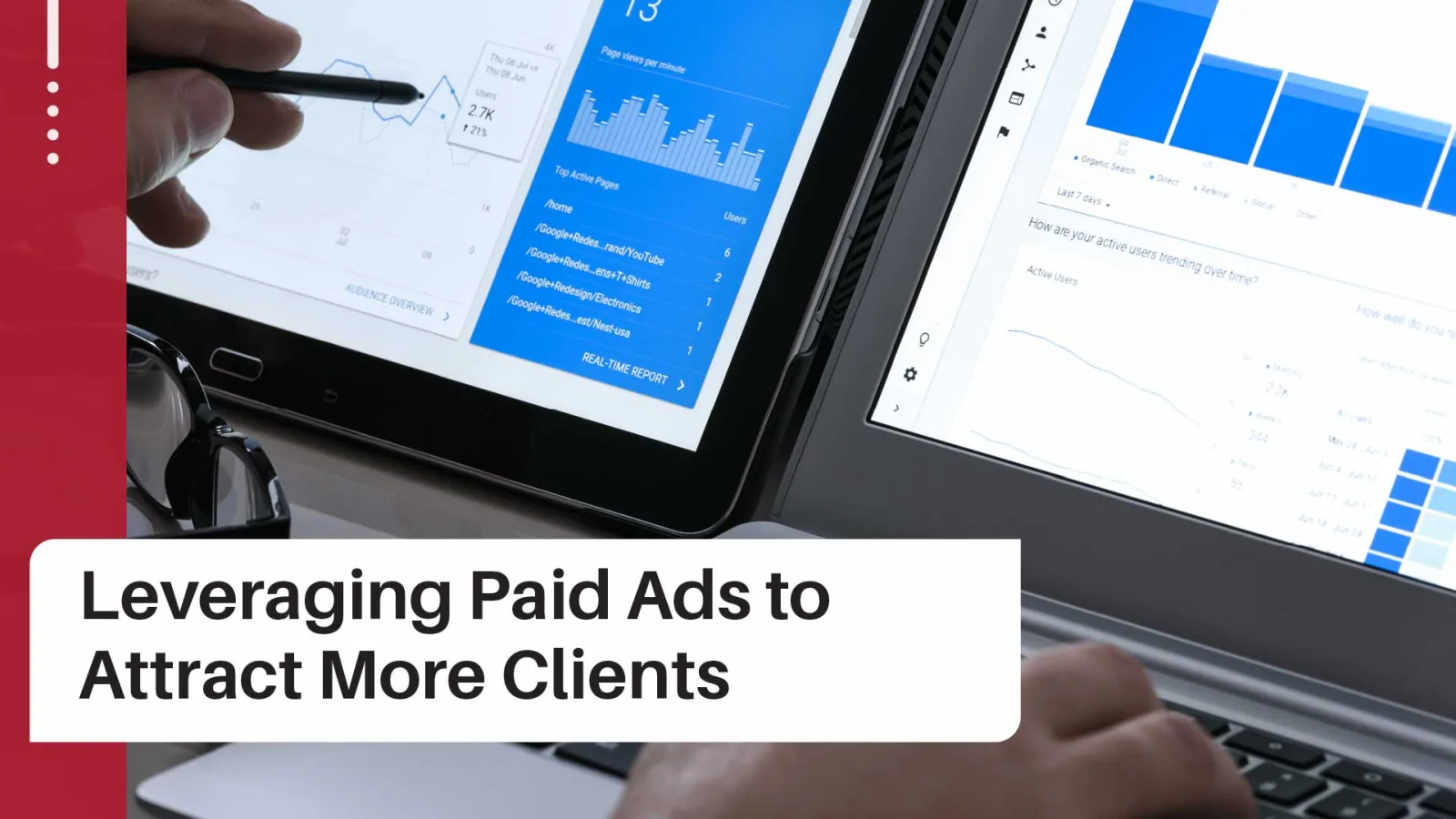
Paid advertising may be ideal for small businesses like yours to reach potential clients, but where should you start? With so many options like Google Ads, social media advertising, and display ads, it can be overwhelming to know the best route. But what if not leveraging these powerful platforms meant missing out on valuable opportunities to grow your business?
In today's digital age, your small businesses has more opportunities than ever to reach your target audience through paid advertising. Whether it's Google AdWords, social media ads, or targeted display ads, these platforms offer powerful tools to connect with potential clients. In this blog post, we'll explore how small businesses can leverage paid advertising to their advantage and drive growth.
Small Business Advertising Options: Google, Social, Display Ads
The first step in leveraging paid advertising is understanding the available options.
Google AdWords
Google Ads is a versatile platform that allows small businesses to bid on keywords related to their products or services. By showing ads at the top of search results, companies can capture the attention of users actively searching for what they offer. This can result in highly targeted and valuable traffic to their websites.
Adding a brand safety negative keyword list to your campaigns can help protect your brand's reputation by preventing your ads from appearing alongside inappropriate or offensive content.
Examples
For a local service business like a roofer or electrician, effective ad options on Google Ads include:
- Location-based Ads: Target people searching for related services in your city or zip code, e.g., "emergency roofer in Asheville."
- Call-only Ads: Drive calls directly from Google by having a click-to-call button. Great for urgent service needs.
- Responsive Search Ads: Adapt to user search queries with dynamically generated headlines. Help reach more relevant searches.
Social Media Ads
Social media platforms like Facebook, Instagram, and Twitter offer highly granular targeting options. Small businesses can reach specific demographics, interests, and behaviors, making it an ideal choice for consumer-oriented businesses. Engaging visuals and compelling ad copy are key.
Examples
Effective ad options for local services like a plumber or pressure washer include:
- Facebook Lead Generation Ads: Encourage sign-ups for estimates or consultations from your website.
- Instagram Story Ads: Use video content showing your work to build trust and credibility.
Targeted Display Ads
Display ads appear on websites and apps your potential clients visit. They're a great way to create brand awareness. Targeting options can be refined to reach the right audience. Attention-grabbing creatives are essential for success.
Examples
Display ad options for local services like a contractor or landscaper may include:
- Retargeting Ads: Remind site visitors about your services and offer promotions.
- Local Site Targeting: Place ads on city-specific blogs/sites readers visit.
- Video Pre-roll Ads: Play a promo ad before relevant YouTube videos.
Split Testing and Ad Optimization
Another critical aspect of paid advertising is split testing (also known as A/B testing). This involves creating two versions of an ad and comparing their performance to see which one resonates more with your target audience. Once you've identified the winning ad, you can optimize it further by adjusting various elements like the headline, image, or call-to-action.
When creating ad variations to test, some elements to consider changing include:
- Headline: Test headlines focused on different benefits like "Affordable House Cleaning" vs. "Eco-Friendly Cleaning Service"
- Ad Copy: Emphasize different selling points like experience, qualifications, green products
- Images: Use photos showcasing different aspects – uniformed staff, cleaning equipment, before/after shots
- Call-To-Action: Test between strong CTA like "Book Now" vs milder "Learn More"
- Landing Page: Send traffic to different landing pages on your site that match the cop of the ads.
To determine which variation is truly better, pay attention to statistical significance. The difference in performance metrics like CTR and conversion rate between the two ads should be large enough that it is not likely due to random chance.
Example
If Ad A has a CTR of 2.5% and Ad B has 2.4%. However, if Ad A has a 2% CTR and Ad B has a 3.2% CTR, the difference is more likely to be significant and indicative of a better ad.
Key Performance Indicators (KPIs) to Track
Running a successful paid advertising campaign is not just about setting it up and letting it run; it's also about tracking the right KPIs to measure success. Basic KPIs you should consider tracking include:
- Click-Through Rate (CTR): The percentage of people who clicked on your ad after seeing it. A higher CTR indicates better ad relevance.
- Conversion Rate: The rate at which users take a desired action, such as making a purchase or filling out a contact form. Increasing the conversion rate can directly impact ROI.
- Cost Per Conversion (CPC): The cost of acquiring a customer. Lowering CPC while maintaining high conversion rates is a goal for improved profitability.
Making Data-Driven Decisions
Ultimately, the goal of tracking KPIs is to make data-driven decisions. By closely monitoring your metrics, you can identify what's working and what's not, enabling you to allocate your resources more effectively. Remember, the key to success in digital marketing is not just collecting data but turning that data into actionable insights.
Final Thoughts
In conclusion, paid advertising offers small businesses like yours a powerful tool to reach your prospects and grow your business. By understanding the available options, tracking the right KPIs, and continually optimizing your campaigns, small businesses can leverage paid advertising to stand out in today's crowded digital marketplace.
If you want to take advantage of paid advertising for your small business, contact me today to discuss your goals and see if we can put together an effective paid advertising plan. I offer a free consultation to assess your business's needs and opportunities. Let's chat and unlock the potential of paid advertising for your business!

Written By: Hannah Kilpatrick | November 08, 2023
Hannah Kilpatrick Cube Creative DesignHannah Kilpatrick graduated from Western Carolina University in 2021 with a Bachelor of Science in Communication with a Minor in Marketing and a Concentration in Public Relations. She has been around social media since its creation. (Meaning, she was in the first grade when Facebook became available to the general public.) As our very own professional Gen-Z, Hannah is a whiz when it comes to social media creation and paid advertising.
Email marketing delivers an incredible 4,300% return on investment for small businesses. Yes, you read that right—for every $1 spent, email marketing generates $43 in revenue!
With stats like that, it’s no wonder email marketing can be a total game-changer for small businesses looking to boost their bottom line. This effective yet affordable tool allows you to build meaningful relationships with clients, establish your brand identity, drive sales, and boost engagement.
Read on to learn why you need to prioritize email marketing and pick up some practical tips to create campaigns that deliver results for your small business.

Written By: Chad J. Treadway | November 08, 2023
Chad is our Chief Smarketing Officer. He will help you survey your small business needs, educating you on your options before suggesting any solution. Chad is passionate about rural marketing in the United States and North Carolina. He also has several certifications through HubSpot to better assist you with your internet and inbound marketing.
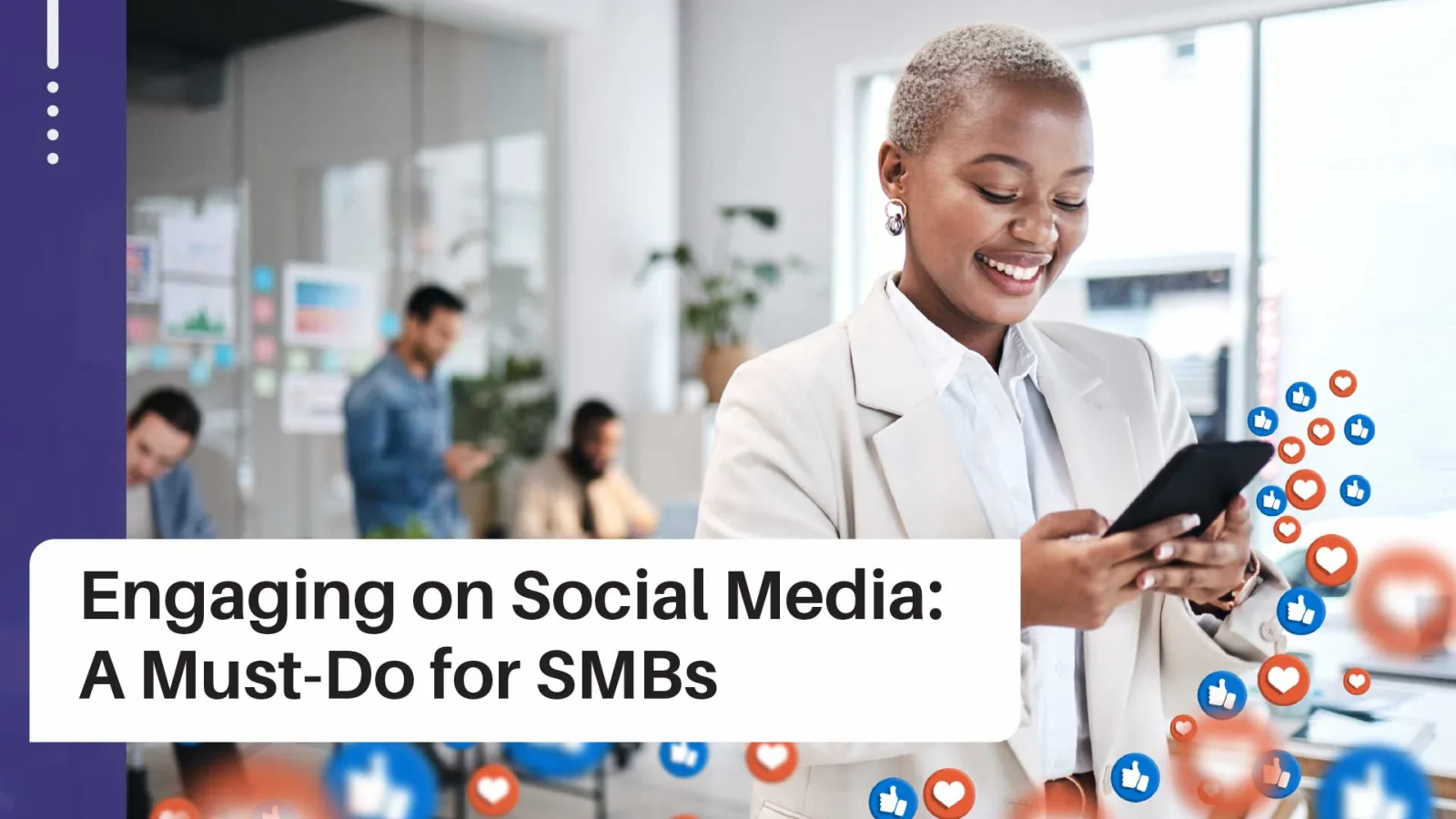
Social media engagement has become a non-negotiable component of a successful business strategy in the digital age. But what exactly is it, and why does it hold such significance, especially for small businesses?
Social media engagement refers to interactions between your brand and your followers on various social media platforms. It's not just about accumulating likes or shares. It's about fostering meaningful conversations and building relationships with your audience.
Engaging on social media is a must-do for small businesses as this type of engagement can help establish a strong rapport with clients and gain insightful feedback. It can also enhance brand visibility and, ultimately, drive sales.
Written By: Hannah Kilpatrick | November 08, 2023
Hannah Kilpatrick Cube Creative DesignHannah Kilpatrick graduated from Western Carolina University in 2021 with a Bachelor of Science in Communication with a Minor in Marketing and a Concentration in Public Relations. She has been around social media since its creation. (Meaning, she was in the first grade when Facebook became available to the general public.) As our very own professional Gen-Z, Hannah is a whiz when it comes to social media creation and paid advertising.

As a small business owner, you wear many hats and face fierce competition. But what if there was a way to cut through the noise, establish credibility with your ideal clients, and fuel sustainable growth without spending huge amounts of time and money on marketing?
Strategic content marketing allows you to do precisely that. By consistently providing value through content, you engage potential clients and position your business as an authority. This fosters trust in your expertise and service offerings. You attract and convert more qualified leads without excessive spending on ads and campaigns.
In this guide, we’ll explore how to create purpose-driven content that brings in more clients and revenue. You’ll learn proven tips to boost your online visibility, connect with your audience, and ultimately take your small business to the next level. Let’s dive in!
Written By: Chad J. Treadway | November 08, 2023
Chad is our Chief Smarketing Officer. He will help you survey your small business needs, educating you on your options before suggesting any solution. Chad is passionate about rural marketing in the United States and North Carolina. He also has several certifications through HubSpot to better assist you with your internet and inbound marketing.

Market research should be a top priority if you run a small business. Properly understanding your clients and competitors can mean the difference between struggling to get by and positioning your company for growth and profits.

Written By: Adam Bennett | November 08, 2023
Adam is the president and founder of Cube Creative Design and specializes in private school marketing. Since starting the business in 2005, he has created individual relationships with clients in Western North Carolina and across the United States. He places great value on the needs, expectations, and goals of the client.
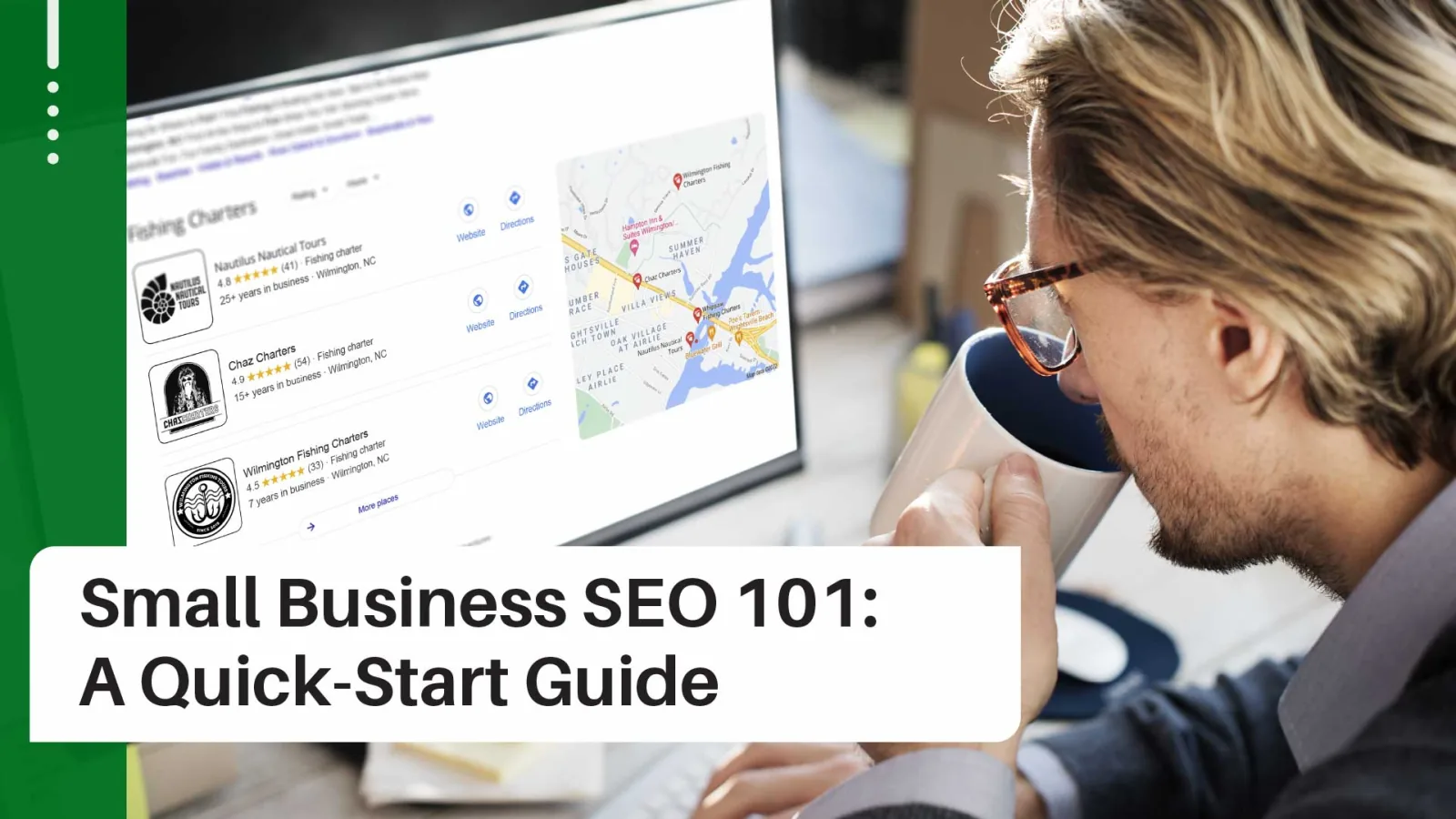
Search Engine Optimization, or SEO, might sound like a buzzword or technical jargon, but in today’s digital age, it’s a powerful tool that can propel your small business to new heights. Understanding and implementing SEO strategies can significantly improve your online visibility and attract more clients.
Written By: Chad J. Treadway | November 08, 2023
Chad is our Chief Smarketing Officer. He will help you survey your small business needs, educating you on your options before suggesting any solution. Chad is passionate about rural marketing in the United States and North Carolina. He also has several certifications through HubSpot to better assist you with your internet and inbound marketing.
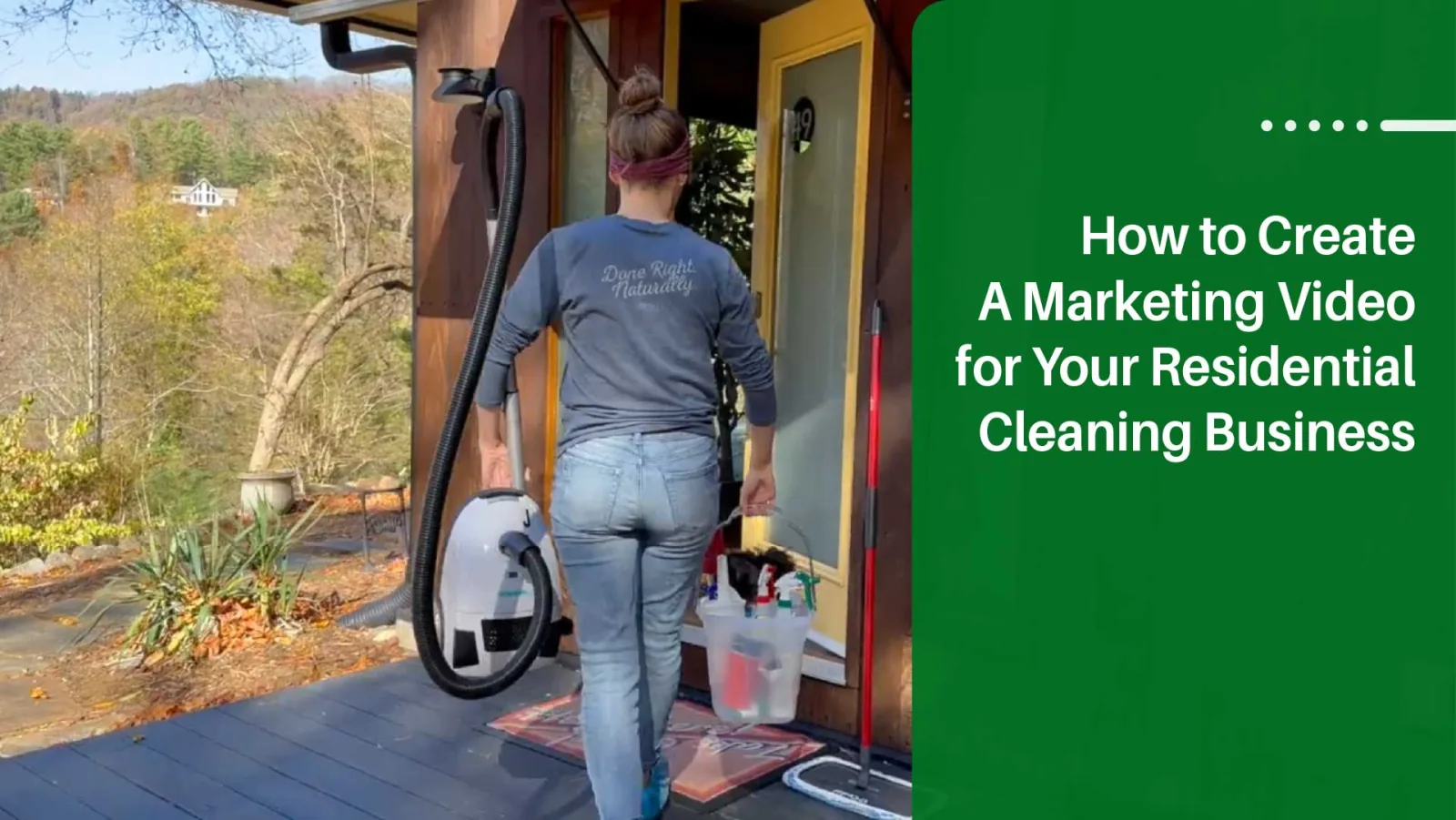
Creating the ultimate marketing video for your residential home cleaning company is all about showcasing your business's strengths and setting yourself apart from the competition. Make sure it reflects the quality, commitment, and care that you bring to every home you clean.
Written By: Adam Bennett | November 06, 2023
Adam is the president and founder of Cube Creative Design and specializes in private school marketing. Since starting the business in 2005, he has created individual relationships with clients in Western North Carolina and across the United States. He places great value on the needs, expectations, and goals of the client.
Effective marketing is crucial for any small business to attract clients and stand out from competitors. With limited budgets and resources, small businesses need affordable strategies that deliver results. This comprehensive guide shares the top six marketing tips for small businesses based on proven best practices.
Written By: Adam Bennett | November 06, 2023
Adam is the president and founder of Cube Creative Design and specializes in private school marketing. Since starting the business in 2005, he has created individual relationships with clients in Western North Carolina and across the United States. He places great value on the needs, expectations, and goals of the client.

Are you the proud owner of a small service area business (SAB) who desires more visibility and engagement for your content? Have you been trying to get Google’s attention but are not quite sure how? I understand hearing words like digital marketing, SEO, and content generation can be intimidating. Add in that you are competing with every Chuck in a truck; it's overwhelming, to say the least. Fortunately, there are 11 simple tips that you can take to give yourself a fighting chance at getting Google's attention!
In this blog post, we will discuss different behaviors and techniques that may help increase your chances of having Google gobble up all the amazing content your small business has to offer. Read on to discover more about getting noticed online in today's digital landscape!
Written By: Chad J. Treadway | November 03, 2023
Chad is our Chief Smarketing Officer. He will help you survey your small business needs, educating you on your options before suggesting any solution. Chad is passionate about rural marketing in the United States and North Carolina. He also has several certifications through HubSpot to better assist you with your internet and inbound marketing.
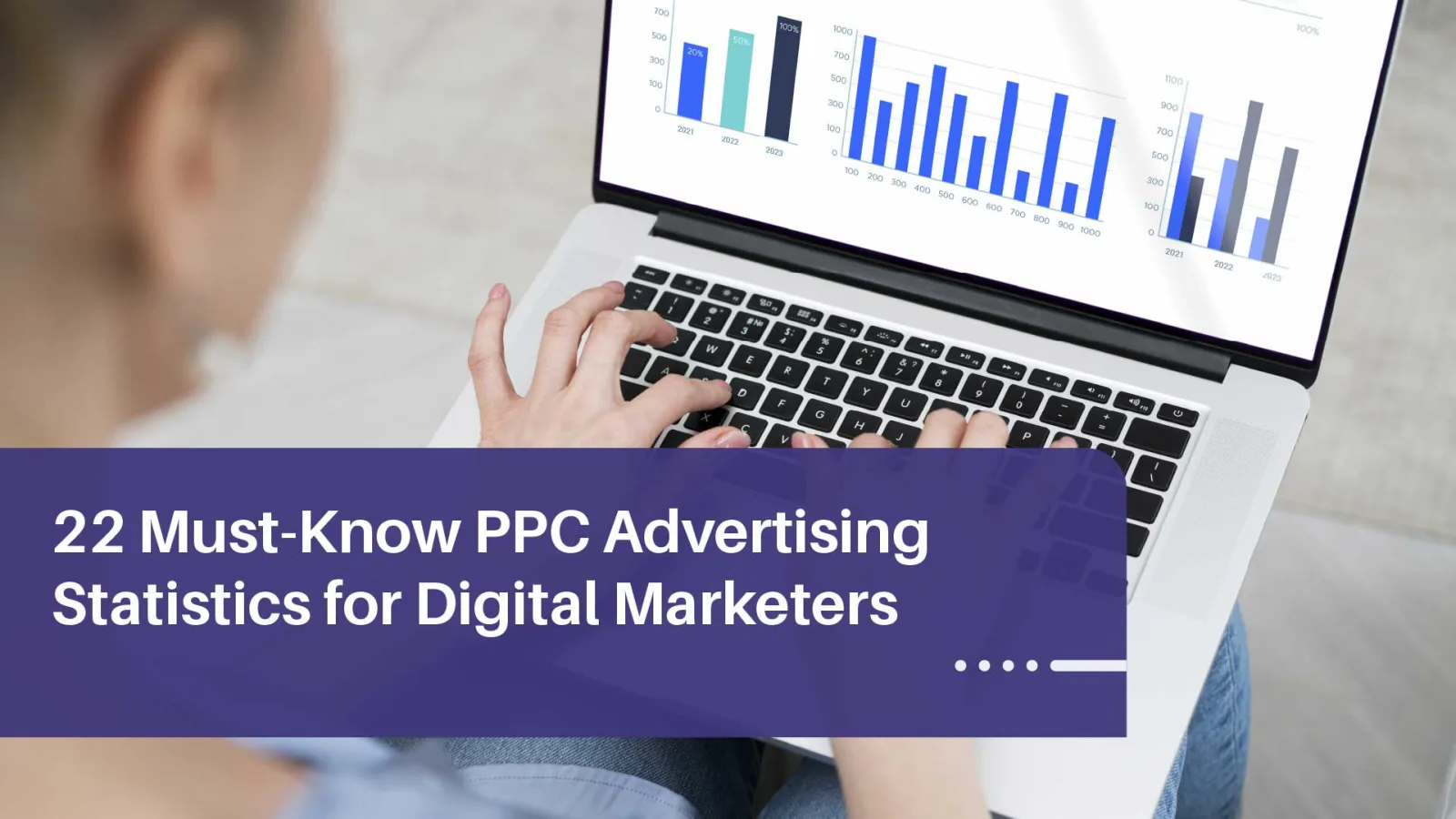
Pay-per-click (PPC) advertising dominates the digital marketing and local SEO industry, raking in billions of dollars annually. To shed light on its significance and potential in today's sales landscape, we've compiled a comprehensive list of PPC statistics.
PPC has emerged as the go-to method for digital advertising, and for good reason: it's a powerful tool to attract new customers and drive sales.
Now, let's debunk the myth that PPC is only for deep-pocketed corporations. Small and medium-sized businesses can reap significant benefits without exorbitant investments, as you'll discover below.
Written By: Adam Bennett | November 01, 2023
Adam is the president and founder of Cube Creative Design and specializes in private school marketing. Since starting the business in 2005, he has created individual relationships with clients in Western North Carolina and across the United States. He places great value on the needs, expectations, and goals of the client.
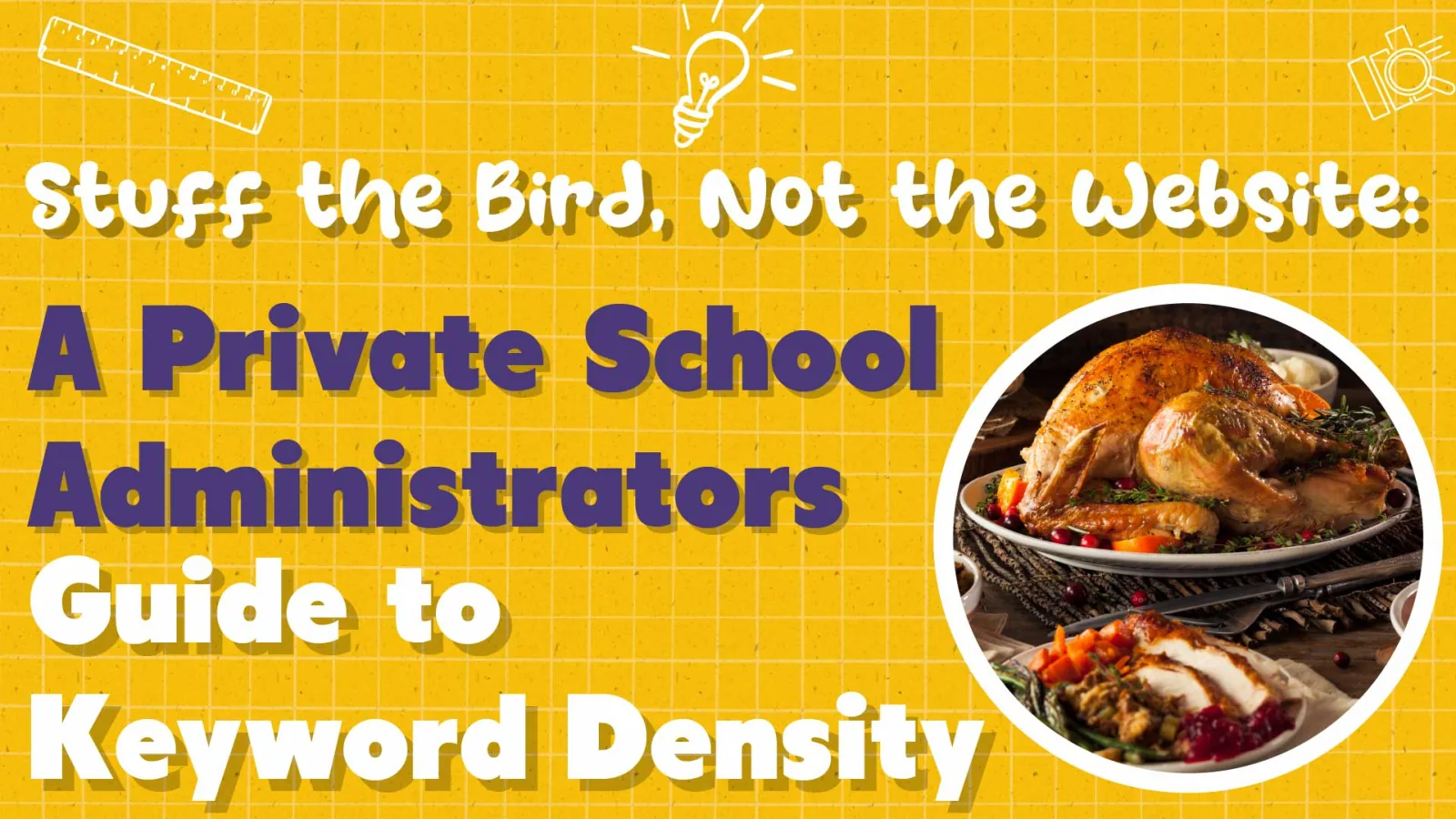
Search Engine Optimization (SEO) is crucial for online visibility - that's why some SEO experts talk so much about things like keyword density and stuffing. As a private school administrator in charge of marketing and running the website, you need to ensure your content is optimized for search engines so your target audience can easily find you. However, you may be tempted to stuff your website like the Thanksgiving turkey. If you're guilty of obsessing over keyword density or thinking that this might be a good practice, this post is for you!
Written By: Adam Bennett | November 01, 2023
Adam is the president and founder of Cube Creative Design and specializes in private school marketing. Since starting the business in 2005, he has created individual relationships with clients in Western North Carolina and across the United States. He places great value on the needs, expectations, and goals of the client.

Want your website content to rank higher and captivate readers? Proper use of heading tags (H-tags) could be the secret ingredient you're missing.
These humble HTML elements have an outsized impact on how people consume content online. H-tags provide structure, improve readability, and help search engines understand your pages.
By learning how to structure webpages with H-tags effectively, you can create content that both users and Google will love. Read on to unlock the full power of these underrated workhorses.

Written By: Janis Barlow | November 01, 2023
Janis is our Web Programming Specialist And Web Developer. She has been working with the web since its inception and has worked for household names such as Lockheed Martin and Wells Fargo.