
In the modern, busy digital world, words are not just the letters on the screen, and they are your voice in the endless clatter of the web. Web writing is not merely a skill of sentence construction but an ability to connect, engage, and inspire readers with the devices. The principles of digital communication keep changing: catchy headlines, mobile-friendly storytelling, etc.
As a content creator, marketer, or business owner, it is important to know these trends in order to be unique online. Even a News Portal Development Company relies on these evolving practices to craft engaging, reader-focused, and SEO-optimized content that stands out in the digital crowd. With the increasing smartness of the audience and the decreasing duration of attention, web writing is becoming both an art and a science.
Now, let us see how the trends of digital communication are transforming our writing, sharing, and influencing in the virtual world.

Running a small business means every marketing dollar counts. You've probably wondered whether to invest in search engine optimization (SEO) or just pay-per-click (PPC) advertising. Both can either work brilliantly or waste your money. What matters is understanding what you need right now and what'll pay off down the road.
This page covers the key differences between SEO and PPC, including their costs and returns on investment (ROIs). Whether you run a K-12 school or offer a pest control service, learn how to strike a balance between the two and make them work for your small business. Read below.

People don't use the internet the same way they used to. Nowadays, most online traffic is from mobile devices, and people expect websites to change right away based on their screens. People quickly leave any website that is hard to access, loads slowly, needs zooming, or breaks visually on smaller devices. Search engines pick up that action.
Web design that adapts to different screen sizes is no longer seen as an option but as a key element of search engine optimization strategies.
A website that changes easily on different devices gives people a better experience, keeps them interested longer, and helps search engines understand the content better. Because of this, responsive websites often have better Google rankings, more sales, and more trust.
Website design that adapts across devices isn’t just a user benefit; it also aligns with search engine algorithms, improving both trust and rankings. Search engines care about user experience, and adaptable design is an important part of that.

Innovation doesn't always mean launching something new. Often, it means seeing your existing business differently — reshaping how value is created, delivered, or captured. That kind of shift doesn’t require massive investment; it requires perspective.
When you pause to transform your business model, you're not chasing trends — you're recalibrating for survival. Maybe your product stays the same, but the way it's offered changes: subscription instead of one-time, bundled instead of single-sale, localized instead of broad. Or maybe it’s your margins, your packaging, your partners. Look at where friction lives and build from there.
This isn’t theoretical. It’s cash flow, customer clarity, and competitive pressure — real constraints that force real moves. And the most sustainable innovations? They often start with subtracting, not adding.
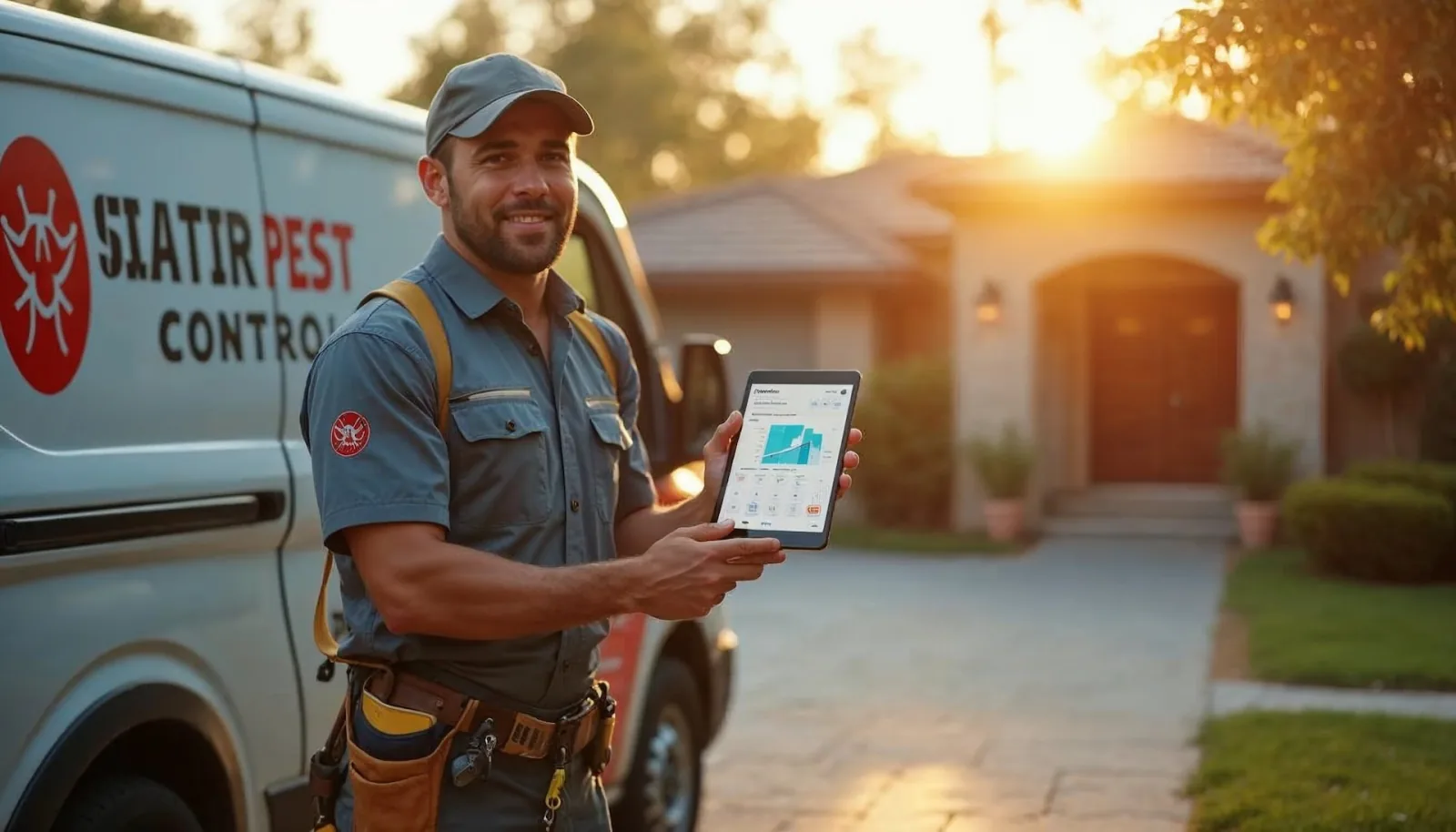
Commercial pest control deals can take many months if not years to pay off. They are normally not one time visits. Many teams have the issue of losing leads when they get in contact for the first time, and end up forgetting to respond back. A simple system can be used to fix this, but requires discipline nevertheless. You should capture every inquiry that comes in, respond fast, and work older inquiries/quotes each week. This habit can help turn forgotten prospects into first-meetings, scheduled walkthroughs, and create new contracts.

First impressions shape the entire enrollment journey. Parents often decide within seconds whether a campus feels trustworthy, safe, and aligned with their expectations. Exterior design can support that choice long before they meet admissions staff.
When a school leverages thoughtful landscaping, inviting colors, and intentional architectural cues, its online presence becomes stronger too. Hero images look more compelling. Virtual tours feel more credible, and inquiry rates can rise. That’s because families sense care, pride, and consistency.
This article explores why exterior design plays such a big role in modern enrollment marketing, along with practical upgrades that photograph beautifully and require little upkeep.

A good-looking website is nice. A high-converting website makes you money.
Have you ever wondered if design actually affects your bottom line? The connection between web design and revenue can seem abstract until you start tracking what visitors actually do on your site.
Here's what matters: Thoughtful design doesn't just make things prettier; It gets people to buy, sign up, then come back.
This page tackles what you need to know about web design's return on investment (ROI). Whether you run a K-12 private school or offer a pest control service, find out how this could impact your revenue. More importantly, learn how to calculate and demonstrate ROI for your small business.
Read on.

Search behavior is changing faster than reporting workflows. What used to be a stable view of organic rankings is now fragmented across AI Overviews, ChatGPT answers, and Copilot summaries. For SEOs, that means visibility isn’t limited to traditional SERPs anymore—it spreads across systems that rewrite and re-rank information.
Teams tracking only keyword positions can no longer see the full picture. AI engines decide which sources to quote, which brands to cite, and how those citations appear. When your traffic fluctuates but your rankings don’t, the gap usually starts there.
AI rank tracking tools capture where your brand appears inside AI-generated results, how often it’s mentioned, and who’s being favored by each model. Instead of guessing what drives exposure, you can trace visibility across ChatGPT, AI Overviews, Copilot, and other LLM-driven platforms.
In this guide, we’ll look at eight of the best AI rank tracker tools shaping how professionals measure and explain visibility in the AI era. Each one approaches the problem differently. Some focus on prompt-level data, others on competitive benchmarking. But all share one goal: giving SEOs reliable visibility metrics for where AI answers are sourced.
Next, we’ll break down what AI rank tracking actually measures and why it’s become a permanent part of the SEO workflow.

AI continues to accelerate how teams plan, write, design, and publish content. Businesses want AI tools for content creation that boost quality while reducing manual effort. The best platforms now blend automation with personalization, helping creators work faster without losing authenticity.
This guide explores eight standout contenders transforming content in 2026. You’ll discover what makes each tool useful, including what are the ai tools for content creation that support long-form writing, visual design, SEO, and even multimodal production. These platforms make content workflows easier, more creative, and more strategic.

Managing payroll can be one of the most daunting tasks for small home-service businesses. Whether you run a cleaning service, lawn care business, or handyman company, paying your employees accurately and on time is crucial. Payroll mistakes can lead to dissatisfied employees, compliance issues, and even penalties from tax authorities. However, hiring a full-time accountant is not always feasible for small businesses. The good news is that there are practical ways to simplify payroll, save time, and reduce errors without hiring expensive professional help.

Let’s be honest. When most business owners talk about growth, the conversation usually starts and ends with one big question:
“How do we get more customers in the door?”
New customers feel excited. They energize the business. They validate your marketing.
But here is the part most people never slow down long enough to consider:
Getting a new customer often costs five to twenty times more than keeping an existing one.
So if you’re spending time, money, and effort to win customers, the real question becomes:
Are they sticking around long enough for the investment to pay off?
A few key financial metrics can answer that. Let’s walk through them in simple, practical terms.
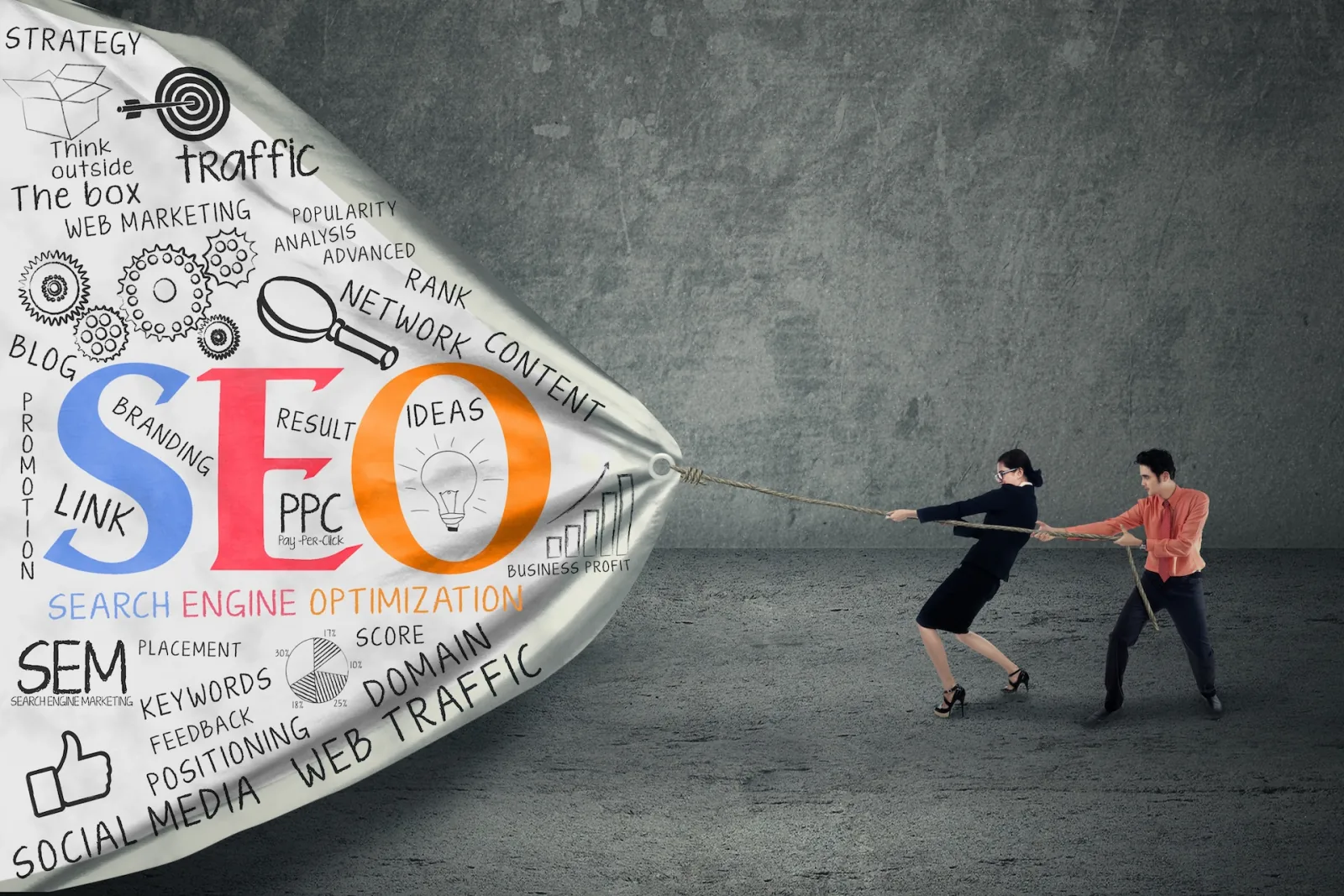
SEO has entered a new phase where AI integration, automation, and predictive insights are at the center of every decision. The rise of AI-powered SEO tools and predictive SEO analytics is changing how teams plan, execute, and measure success.
Google’s AI Overviews, ChatGPT answers, and other LLM-based search features have created new visibility layers that didn’t exist a year ago. To stay competitive, SEO professionals are looking for Semrush alternatives that combine rank tracking, backlink data, and AI search monitoring within one unified view.
Budgets are also tighter, and ROI expectations are higher. Teams want keyword tracking software, competitor analysis software, and website audit software that automate reporting and remove manual tasks. This shift has made automation a necessity, not a nice-to-have.
Today’s SEO decisions are driven by the need to adapt. Professionals are choosing platforms that automate repetitive work, deliver real-time insights, and keep costs predictable. The best Semrush alternatives 2026 stand out because they meet all three.