How does it feel when your brand communicates with your audience the way you imagined to deliver delightful experiences?
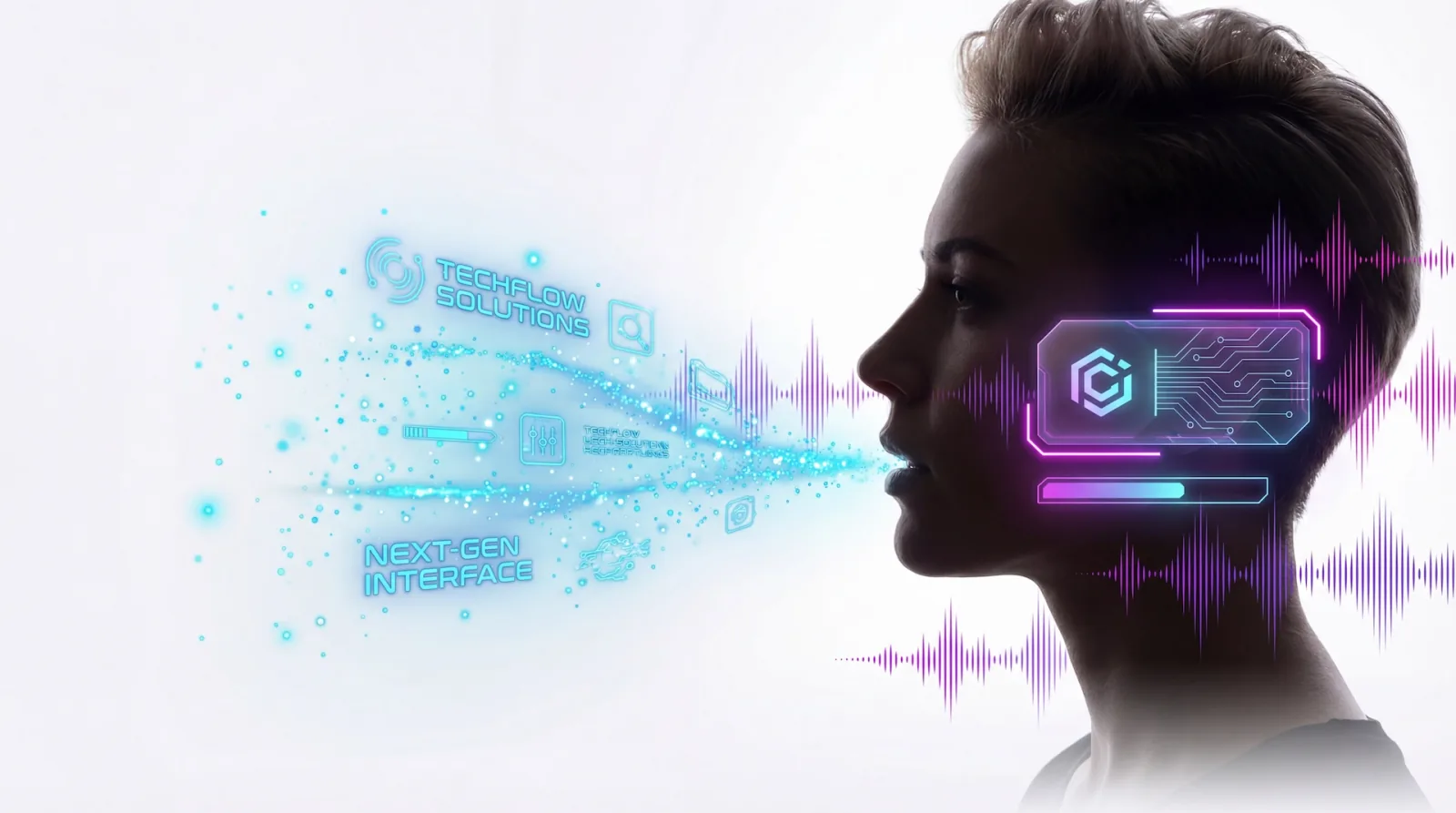
Well, this is the era of voice. Voice technology enables the creation of human-like experiences that extend beyond visuals and text.
Traditional branding was built on static content like posters, slogans, videos, and webpages. These were written in a way that spoke to the audience.
But today’s audiences expect answers while they are communicating with the voice agent. Real-time AI voice bridges content marketing, UX, and interactive design into one living, speaking layer of brand engagement.
In this article, we will discuss how real-time AI voice is transforming design experiences.
A keyword strategy is your game plan for showing up when people search for stuff related to your business. But here's the thing: most brands get this wrong. They see a trending topic blowing up on Twitter and think "jackpot!"
Then they pump out content chasing that trend, watch their traffic spike for about five minutes, and wonder why nobody's actually buying anything.
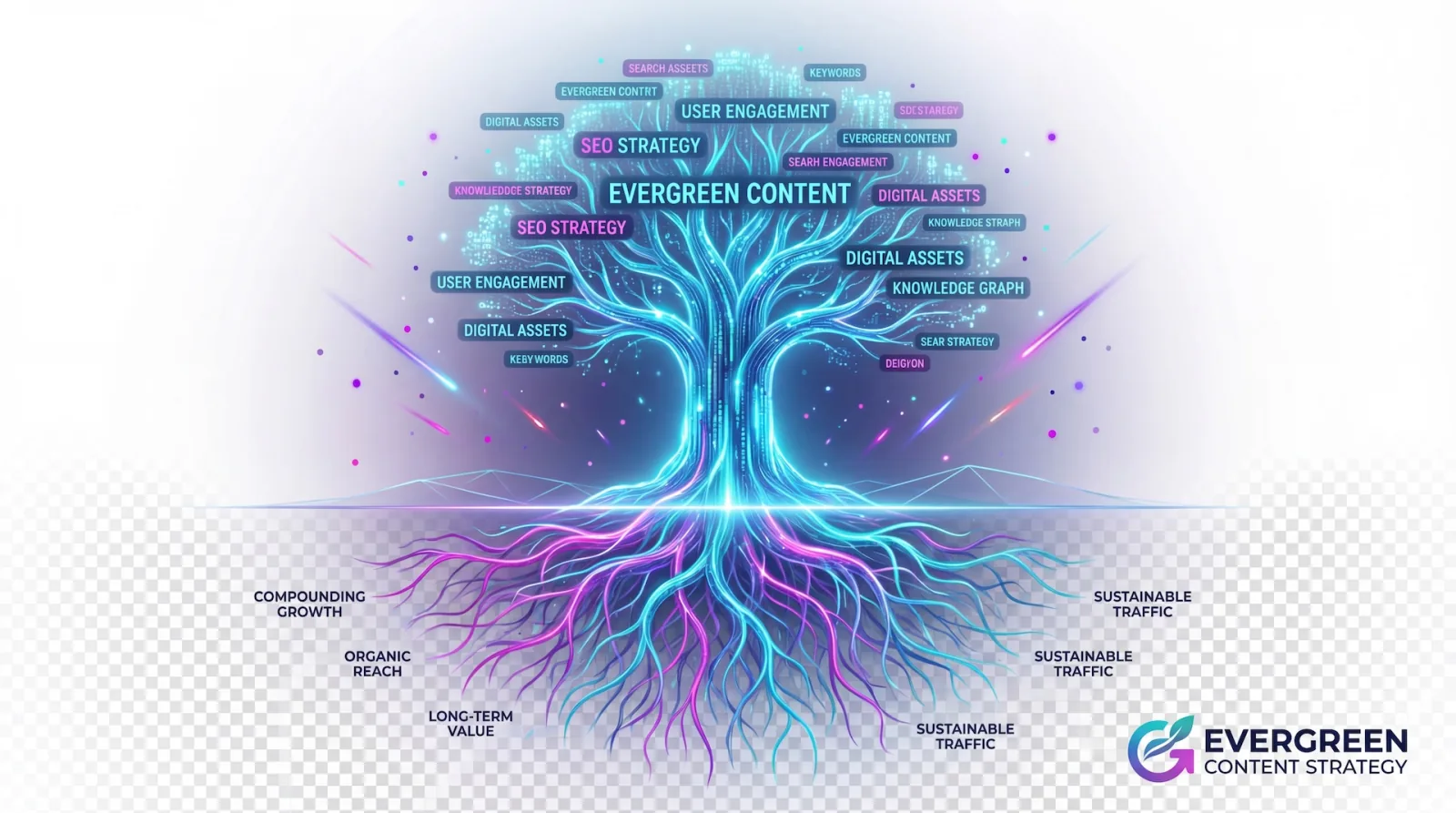
Real growth comes from playing the long game. We're talking about the boring stuff that actually works: answering real questions your customers have, creating resources they'll bookmark, and building content that gets better with age. Evergreen content keeps bringing in traffic month after month, especially when you update it.
This guide will show you how to build a keyword strategy that prioritizes long-term demand over short-lived trends, so the content you publish keeps attracting the right people well after the hype dies down.

As small businesses grow, their networks usually grow in pieces. A new workstation here, a cloud service there, maybe a few smart devices added along the way. Most of the time, these changes aren’t planned. They’re made to solve an immediate problem and keep the business moving. Early on, that approach works. Everyone can connect, systems respond quickly, and there’s no obvious reason to change anything. The problems show up later. The network starts feeling slower. Troubleshooting takes longer. When something breaks, it’s harder to tell where the issue started or how far it spreads. For agencies, eCommerce teams, and service-based businesses that rely on uptime and speed, those issues aren’t minor inconveniences. Slow systems affect daily work. Network outages interrupt client delivery. Security incidents can expose systems that were never meant to be accessible in the first place. Traffic segmentation addresses these problems by introducing basic structure into networks that have grown organically. It doesn’t require enterprise hardware or a full redesign. In most cases, it’s about defining boundaries—what should communicate, what shouldn’t, and why. This article explains why traffic segmentation matters for small businesses and how it can be implemented in a way that’s practical, manageable, and scalable.
What’s next for small business AI marketing?
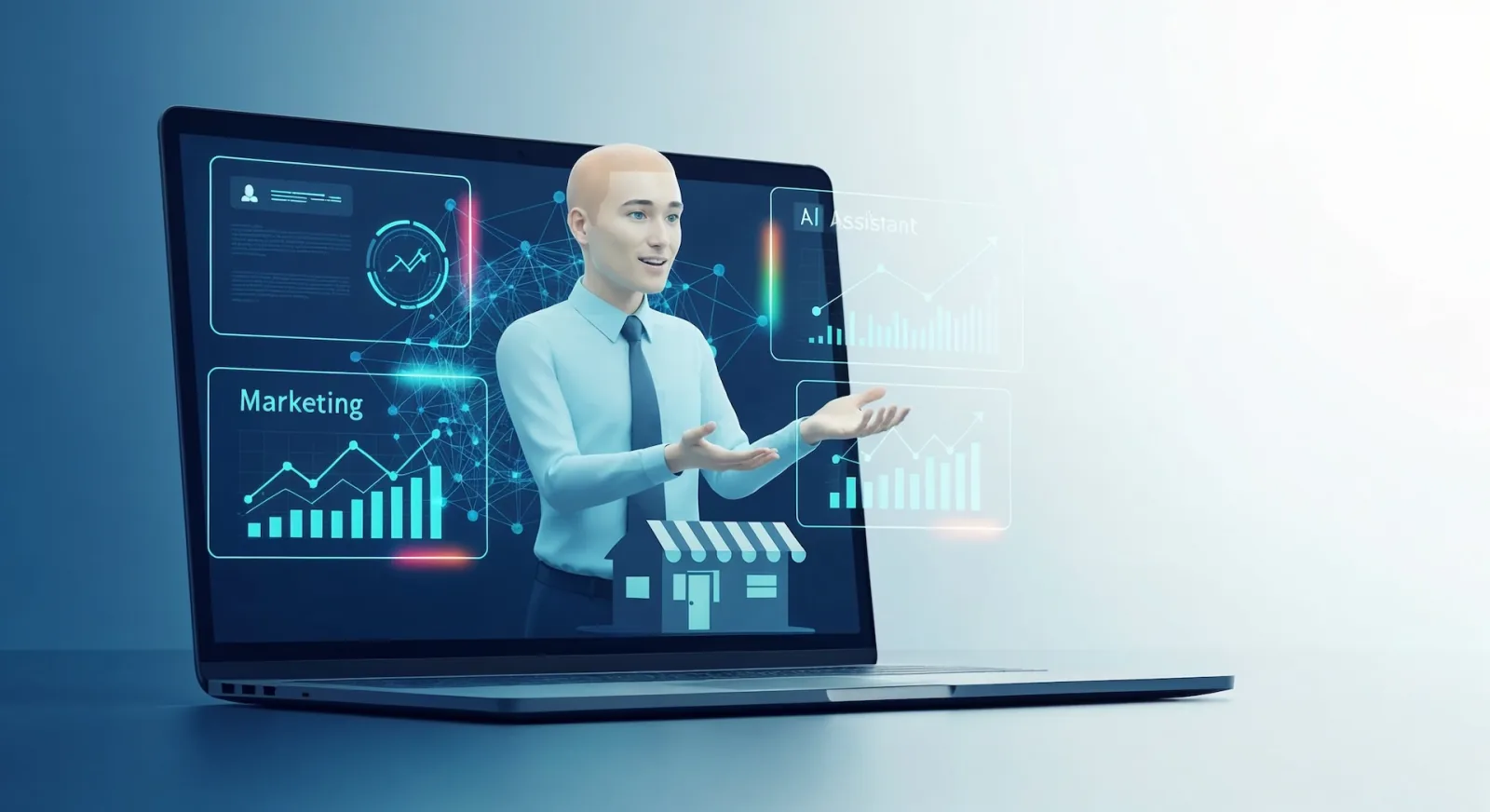
Many industries deploy AI, and this shift is already visible in marketing.
According to a survey, adoption of AI tools among small businesses jumped from 39% in 2024 to 55% in 2025, a 41% surge in just one year.
If you run a small enterprise, that number should make you sit up and ask: Are you ready to ride the wave or risk being left behind?
In this article, we’ll walk through the biggest shifts shaping AI marketing for small businesses by 2026, what they mean for you, and how to prepare for and embrace this change.

The way we build teams has fundamentally shifted. Remote work is no longer an experiment or a temporary response to global events. It has become the backbone of how modern businesses operate, compete, and scale in an increasingly connected world.
As companies embrace distributed workforces, a critical question keeps emerging: how do you expand operations without drowning in the overhead of traditional hiring? How do you access reliable, skilled support without navigating complex employment regulations across different countries?
This is exactly where virtual assistant platforms have become indispensable. These services connect growing businesses with talented remote professionals who handle everything from daily administrative tasks to specialized projects, making workforce expansion faster, leaner, and more cost-effective than ever before.
Ready to scale your team the smart way? Here are ten platforms leading the remote workforce revolution in 2026.

If you run a serious website, you’re undoubtedly familiar with the limits of static pages. The same headline, offer, and experience no matter who lands on the page (or why) only goes so far.
But displaying content dynamically so it’s more tailored to each user? That can boost engagement, shorten decision cycles and improve conversion rates, and strengthen SEO signals that actually matter (time on page, intent alignment, brand trust).
This said, dynamic content is not exactly a silver bullet for everyone. It works best for certain businesses and site architectures, and it needs to be done right. Because when it’s implemented poorly, it can actually create more problems, including indexing and performance issues. At its worst, it can also create an experience that feel creepy instead of helpful for the visitor.
So this isn’t a question of whether dynamic content can boost SEO and conversions. It’s a question of when it does, who it’s right for, and how to deploy it without breaking crawlability, credibility, or measurement. That’s where most teams get stuck, and exactly what this piece is here to untangle.

Your phone's gotten weirdly good at predicting what you're about to type. Your thermostat figures out when you leave for work. Even your photo app knows which pics are blurry before you do.
Every tool in your life is becoming a single, coordinated system by sharing context, predicting needs, and handling decisions in the background.
Personal technology in 2026 will have fewer handoffs, less friction, and more automation across your entire tech stack.
This article looks at how AI moved from novelty to infrastructure, what that means for the devices you already use, and how daily life changes when technology stops asking for instructions and starts acting on context.

Getting consistent results in online marketing is not about luck; it takes a solid digital marketing strategy. Any organization that is constantly looking to make improvements needs to leverage time-tested techniques. Each of these techniques naturally extends your reach and visibility.
By gaining insight into key digital practices that many digital marketing organizations use today, companies can establish an online identity that users can trust. This post examines the key elements that deliver results and help businesses ensure their performance remains consistent or improves over time.
Artificial intelligence has become a core driver of modern business transformation. Organisations across industries are looking to leverage AI to improve efficiency, enhance decision-making, and scale operations without proportionally increasing costs. However, adopting AI successfully requires more than deploying tools or experimenting with automation. AI development companies help businesses build clear strategies, implement artificial intelligence effectively, and create scalable systems that support long-term growth.

Backlinks remain one of the strongest signals search engines use to evaluate authority and relevance. However, earning links is only part of the equation. If search engines struggle to discover those links, their value is delayed or diminished. Smart website design plays a critical role in how quickly backlinks are found, crawled, and counted. By structuring your site with search engines in mind, you can help backlinks surface faster and contribute to stronger visibility.
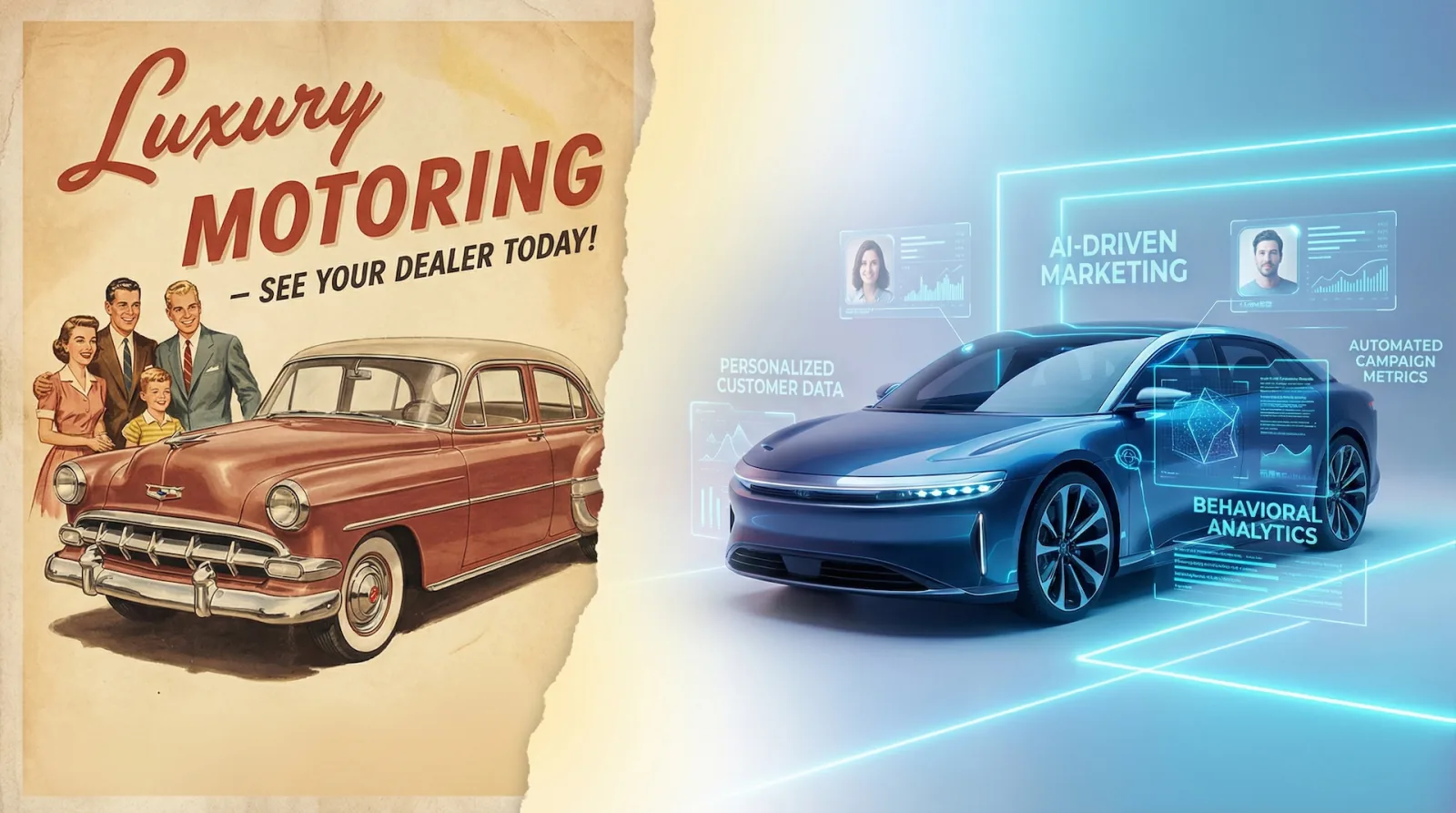
Back in 1955, Chevrolet ads promised Americans "dream wheels," but today dozens of Chinese companies nobody heard of five years ago are flooding the market. BYD, Zeekr, Nio, Li Auto — these names meant nothing in automotive world, yet their products pack such impressive tech that consumers buy them for features, not heritage. An industry built on century-old reputations suddenly discovered that technology beats iconic logos.
Modern buyers don't limit themselves to famous brands like Mercedes, Fiat, or BMW when a Xiaomi car offers everything from pop-out door handles that appear as you approach and active aerodynamics to reduce drag (Xiaomi YU7) to insane motors (1526 hp in SU7 Ultra) and 0-60 mph in under 2 seconds, combining supercar dynamics with smart features and futuristic design. Shoppers will buy that car without paying extra for the badge, even if they only knew Xiaomi as the company making their power bank.
This article reveals how car marketing changed radically — from open marketing wars between giants to futuristic concepts that advertise themselves. We'll trace the path from retro posters to neural networks analyzing every click, examine real cases, and understand why even aviation sector started borrowing strategies from auto industry.

When someone lands on a law firm website, the intake form becomes the first moment of real trust. Visitors are often navigating stress, urgency, or uncertainty. The way a form looks, behaves, and explains itself directly influences whether they continue or leave.
Secure intake does more than protect information. It reassures visitors that the firm understands responsibility, discretion, and professionalism. Firms that treat intake as part of their marketing funnel tend to capture stronger leads while reducing long-term risk.