
You do not need a trust fund to build a creative career. Smart planning and cost-conscious decisions matter more than flashy tools.
Whether you’re a photographer or a graphic designer, creative work can feel expensive at first glance. Tuition, gear, subscriptions, and marketing can all add up quickly. However, with the right strategy, you can build skills, a portfolio, and income without draining your savings.
Your article starts here. Write your introduction below this line.
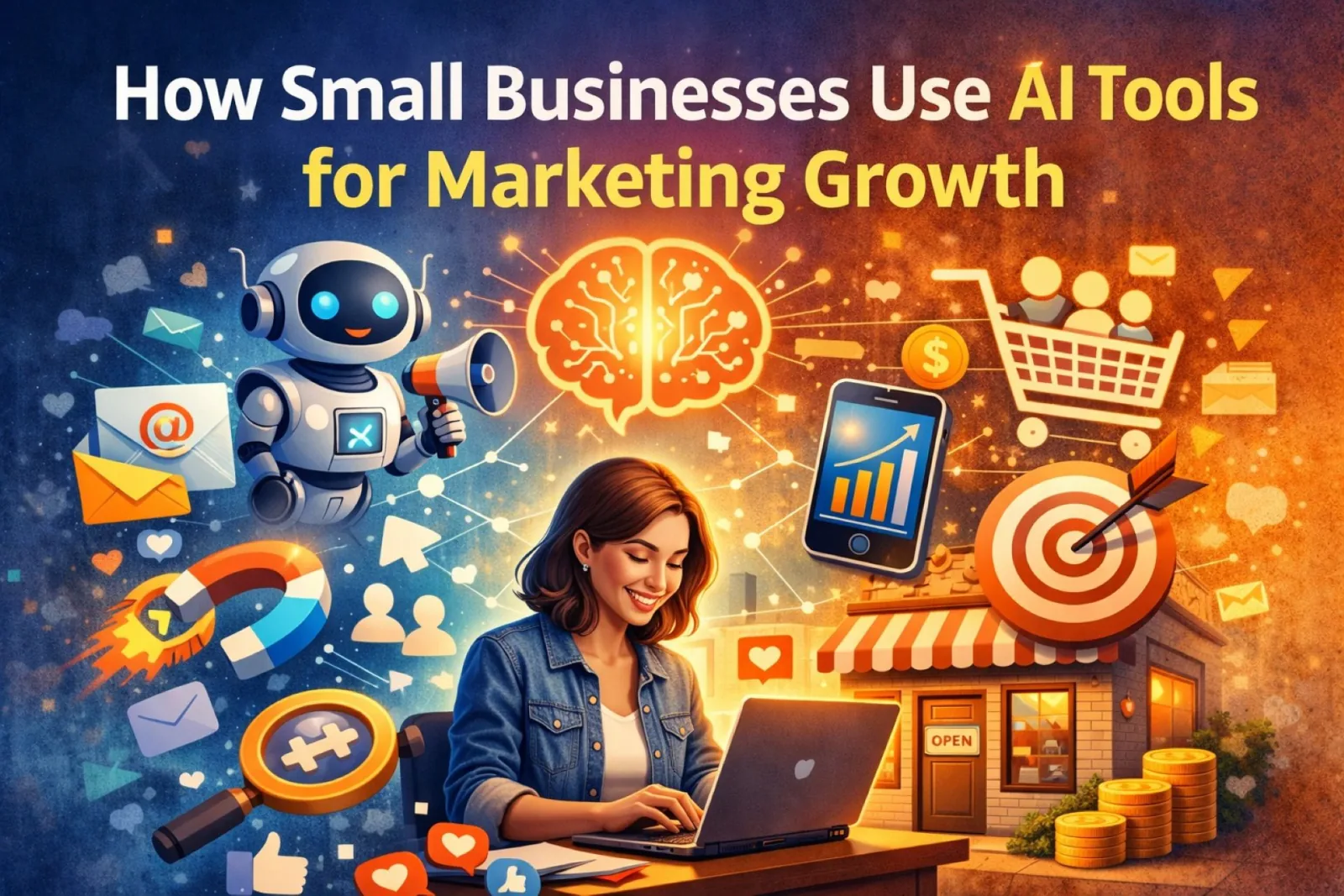
Marketing has always been one of the hardest parts of running a small business. It takes time, consistency, and a level of expertise that many founders simply do not have. Most small teams are forced to choose between spending hours on marketing tasks or ignoring them entirely.
AI is changing that. Instead of doing everything manually, small businesses can now use AI tools to handle content creation, customer outreach, data analysis, and campaign optimization. What used to require an entire marketing team can now be done with a handful of tools and a clear strategy.
The real advantage is not just automation. It is the ability to compete with larger companies without needing the same budget or resources. When used correctly, AI tools can help small businesses move faster, make better decisions, and generate more consistent results.

A small business often runs on instinct, memory, and people pitching in wherever needed. That works for a while, but as your marketing grows across channels, you eventually hit a wall. Tasks start falling through the cracks, customer experiences become inconsistent, and new hires struggle to understand how things are actually done. This is the point where a marketing SOP playbook becomes essential.
A marketing SOP playbook is a structured set of step-by-step procedures that explains exactly how your business handles its marketing tasks. It covers everything from social posting routines to campaign launches, customer review responses, lead intake, approvals, and reporting.
Think of it as a living operations manual built specifically for marketing. When done well, it reduces errors, shortens onboarding time, and helps your business scale without chaos.
Before we begin, the goal of this guide is to give you a single, clear resource you can use, whether you have never built an SOP before or already have a few scattered documents and want to unify them. The explanations here are intentionally detailed so no reader feels left behind.

Streaming TV advertising used to feel out of reach for smaller brands, but over the last few years, the landscape has changed dramatically. Connected TV has become more affordable, more measurable, and more flexible, making it easier for small businesses to test campaigns without needing a national TV budget.
Still, many owners and marketers want to know whether streaming ads actually work for organizations with modest budgets, local audiences, and specific conversion goals. This article dives deep into costs, targeting, viewer experience, and measurement. You will also find practical examples for service businesses and schools, plus a clear 90‑day testing plan you can use immediately.

Your product might be excellent. Your offer might be clear. But if your brand does not communicate who you are and who you serve, growth stalls before it starts.
Founders often underestimate how much strategic branding contributes to business momentum. It is not about having a nice logo. It is about creating a consistent identity that earns trust, attracts aligned clients and gives a business room to scale.
The agencies and studios below work specifically with founders, consultants and small business owners who need more than visual polish. They need strategic clarity.
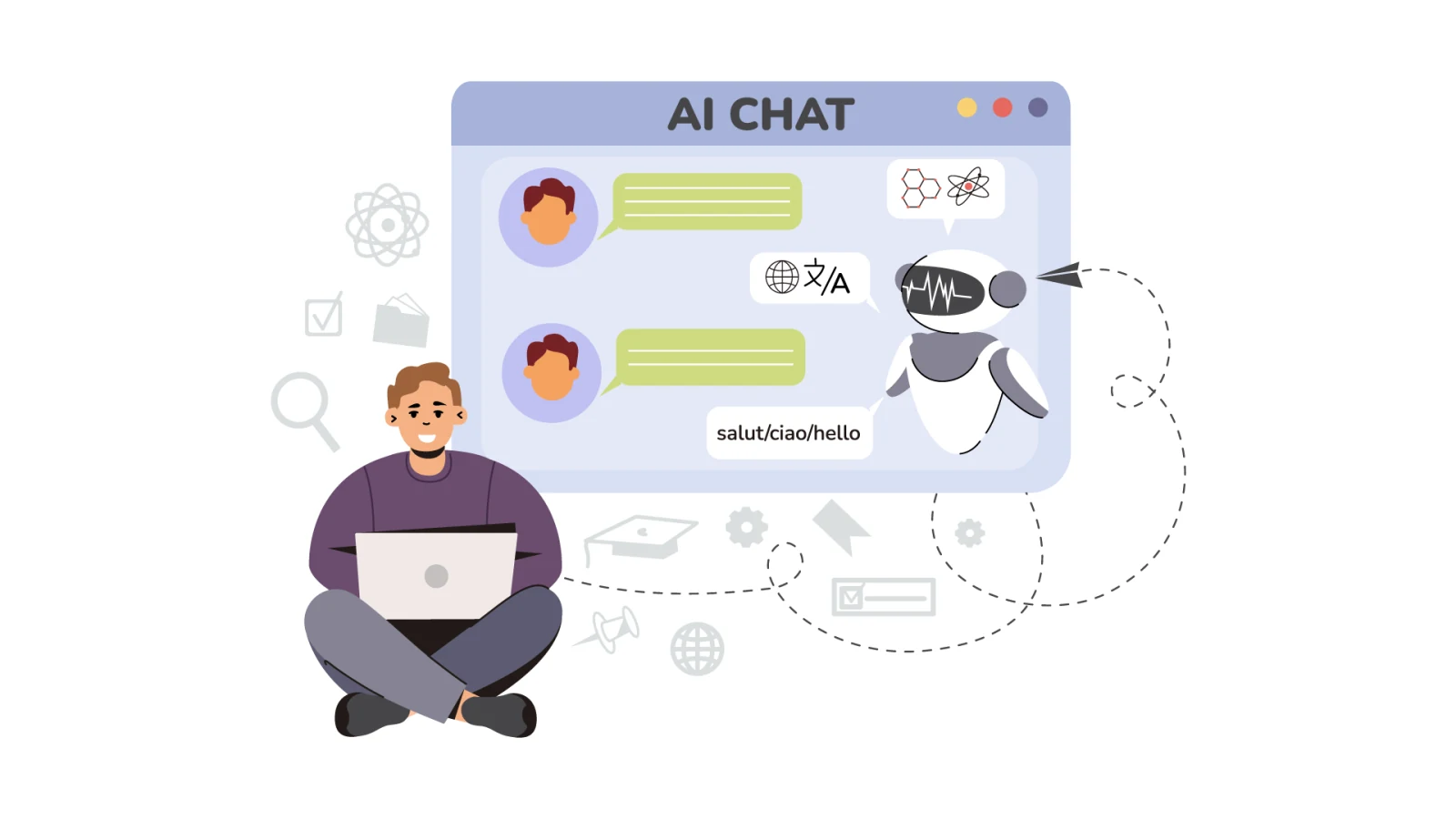
Not every technology investment delivers what it promises, and chatbots have a complicated history in that regard. Early deployments frustrated more visitors than they helped, and many businesses that tried chatbots in their first generation came away with the impression that the technology was not ready for real-world use. That impression is now significantly out of date.
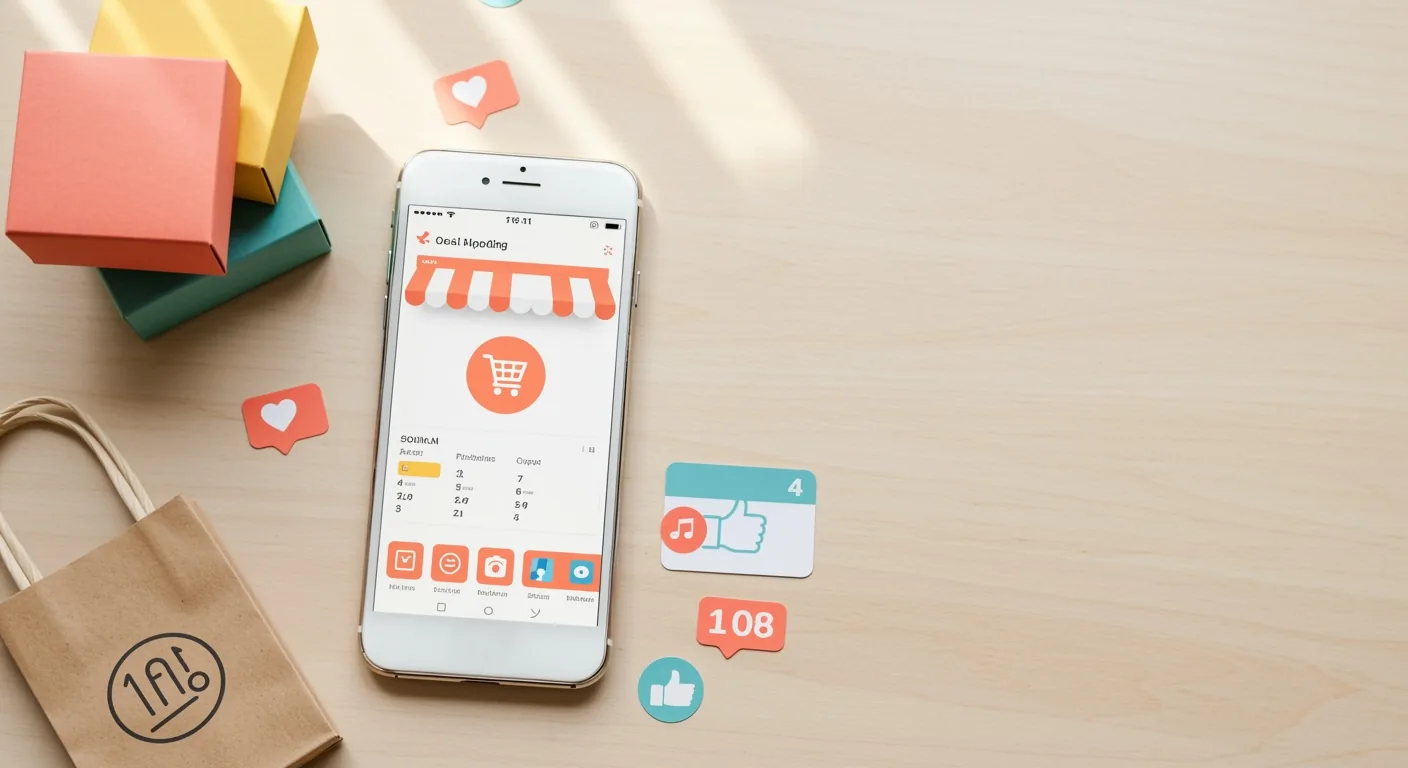
Social commerce is shopping that happens right inside social platforms. People discover a product in a post or livestream. They ask a question in the comments or send DMs. They check out without ever leaving the app.
A decade ago, we were experimenting with "buy" buttons. Today, we've got fully shoppable feeds, in-app storefronts, live shopping, and creator-driven product drops on platforms most of us open before breakfast.
As we hit 2026, social commerce isn't a side channel. It's a daily habit for millions of people and a serious revenue driver for businesses of every size.
Social commerce has changed the game for local businesses—more reach and lower friction. It gives them a chance to bring their signature personal touch online. Think of what's changed and what's working, not to mention where small, local brands can win right now.
Learn more about the state of social commerce in 2026 and beyond. As a local business, read on to prepare for the challenges and opportunities it brings.

Have you ever posted something great online, heard nothing but crickets, and wondered where everyone went? The digital world in 2026 is louder than ever. People constantly move between TikTok, Instagram, YouTube, and Google. Audiences expect brands to show up everywhere, yet posting the same content on every platform rarely works. That approach leads to burnout and weak engagement. Instead, successful brands build smart strategies that adapt one core story across multiple channels.
This shift reflects the growing age of platform diversification. Relying on one traffic source now feels like balancing on one leg. It may work for a while, but one algorithm change can knock everything over. Recent studies show that 66% of creators plan to expand to new platforms in 2026. They are not leaving their existing audiences. They are building a portfolio across platforms like YouTube, Pinterest, and emerging spaces such as Threads.
For brands, this approach reduces risk and expands reach. Different platforms attract different behaviors and audiences. Someone scrolling Instagram may never watch long YouTube videos. Someone browsing Pinterest might already be ready to buy. Missing these spaces means missing potential customers. In this blog, we will explore how to build a high-impact content strategy that connects multiple platforms while maintaining a consistent brand story.

What if the real reason your day feels chaotic isn’t the workload but the lack of the right tools? Many small service businesses lose hours to preventable mix-ups, slow communication, and scattered information. The fix is often simpler than expected.
With the right software, jobs stay organized, customers stay informed, and your team moves faster with less stress. This guide shows you exactly which tools make that shift happen and how they can transform your daily workflow.

At first, any marketing setup works well enough. You’ve hired a few contractors. Maybe one internal marketer is juggling campaigns, email, and analytics. Results are decent. Then the company starts scaling, and the cracks appear.
Campaigns slow down because no one owns the full funnel. Messaging drifts between channels. Reporting becomes a weekly scramble because the data lives in three different tools.
That’s usually when leadership asks the question:
Should we build a real internal team, or bring in an agency?
There isn’t a universal answer. But the trade-offs become very clear once you’ve lived through both models. This guide will help you see both sides and decide.

There are millions of homeowners searching for reliable local contractors every day. When homeowners notice water leaking through the ceiling or find their air conditioning has suddenly stopped working, they often turn to the internet for help. They come across several companies that promise quality service, but to the homeowner, many of these options look quite similar. As a result, they are likely to choose the company that seems most trustworthy.
One significant challenge for many service businesses is to differentiate themselves and establish credibility. Here is where professional video content comes in. When a service company uses video featuring their technicians, the job being done, and satisfied customers, they are able to establish a sense of trust, improve their online visibility, and convert more of their website visitors into paying customers.
Home service businesses can take advantage of professional video content to win more local customers. Below are nine ways to do so.
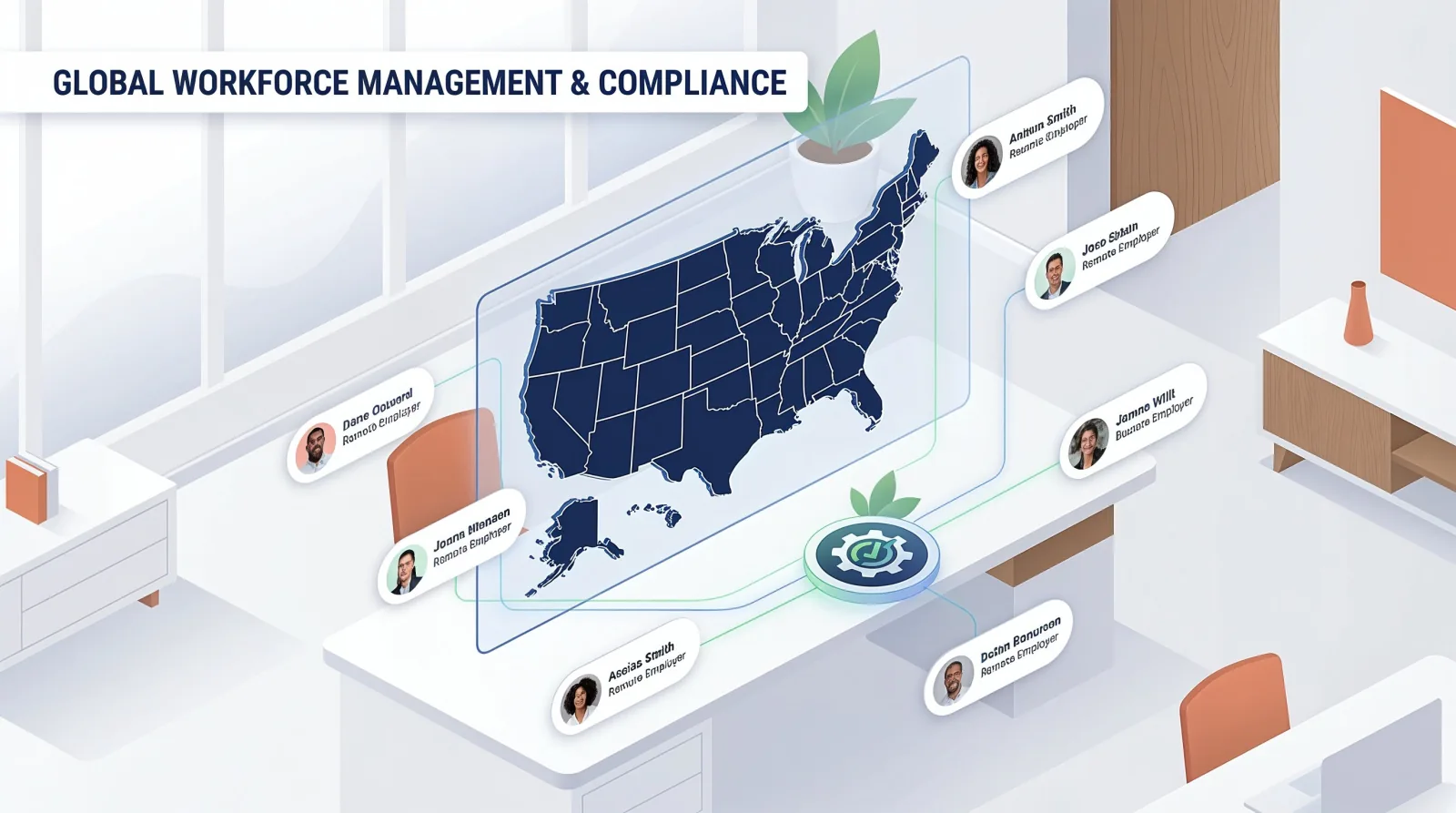
Content marketing and digital agencies are built to scale. One month, you’re onboarding a new SEO strategist in Texas, the next you’re hiring a paid media manager in California or a content editor working remotely from another country. While this flexibility is a competitive advantage, it also introduces a serious operational challenge: employment compliance.
Hiring talent across different U.S. states (or internationally) means navigating varying labor laws, tax rules, benefits requirements, and payroll regulations. For agencies focused on client delivery, growth, and margins, managing this complexity internally can quickly become a distraction or worse, a compliance risk.
This is where an Employer of Record (EOR) comes in. An EOR legally employs your team members on your behalf, handling payroll, taxes, benefits, and compliance, while you retain full control over their day-to-day work. For content marketing and digital agencies, EORs make it possible to scale teams quickly, hire the best talent regardless of location, and stay compliant without building an in-house HR or legal function.
In this guide, we've rounded up the top 8 Employer of Record providers in the USA that are especially well-suited to content marketing and digital agencies, starting with our top pick.