Are your service pages or even your website generally struggling to rank in local search results? The secret might lie in LSI keywords – the powerful yet often overlooked tool that helps search engines understand exactly what services you offer. In this guide, you'll discover how these semantic keywords can boost your visibility and connect you with more local customers.
What are LSI keywords? They are words that are semantically related to your main keyword. Search engine algorithms use them to understand the context and deliver more relevant results to users searching for local services.
LSI keywords can improve your SEO by helping search engines understand what your services are about. They also help your pages rank for related keywords that potential customers might use to find your business.

Written By: Chad J. Treadway | February 06, 2025
Chad is our Chief Smarketing Officer. He will help you survey your small business needs, educating you on your options before suggesting any solution. Chad is passionate about rural marketing in the United States and North Carolina. He also has several certifications through HubSpot to better assist you with your internet and inbound marketing.
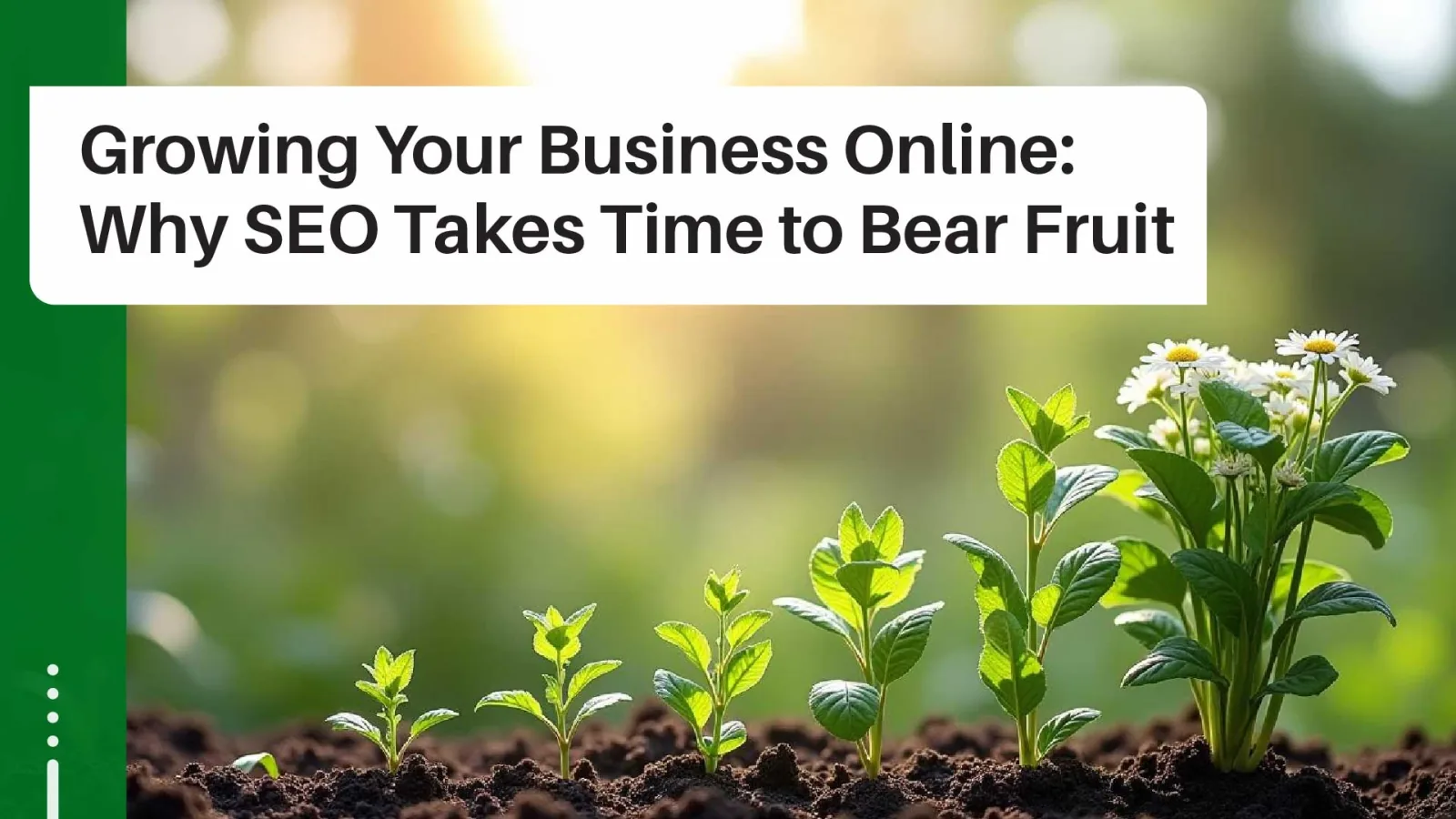
Remember when you first started gardening? You didn't plant seeds one day and expect a flourishing garden the next week. Growing a beautiful, productive garden takes time, consistent care, and patience. Search Engine Optimization (SEO) works the same way – it's about planting and nurturing the right "seeds" to help your business grow online.

Written By: Adam Bennett | February 05, 2025
Adam is the president and founder of Cube Creative Design and specializes in private school marketing. Since starting the business in 2005, he has created individual relationships with clients in Western North Carolina and across the United States. He places great value on the needs, expectations, and goals of the client.
In 2025, your school website isn't just a digital brochure – it's the cornerstone of your educational institution's digital presence. When Greenfield Academy saw a massive drop in online inquiries due to poor website UX, they learned a crucial lesson: in today's competitive educational landscape, exceptional website user experience isn't just nice to have – it's essential for survival. Like that imposing main entrance to your campus, your educational website design needs to make one heck of a first impression.
In today's digital-first educational landscape, your website serves as more than just an information repository – it's your most hardworking admissions counselor, working 24/7 to engage prospective families, support current students, and maintain alumni connections. And just like you wouldn't let your admissions counselor show up to work in pajamas (tempting as that might be), your website needs to maintain professional standards while delivering an exceptional user experience.
Written By: Adam Bennett | February 05, 2025
Adam is the president and founder of Cube Creative Design and specializes in private school marketing. Since starting the business in 2005, he has created individual relationships with clients in Western North Carolina and across the United States. He places great value on the needs, expectations, and goals of the client.

If you run a home service business, you've probably heard people throw around "content marketing" and "content writing" like they're interchangeable tools in your marketing toolbox – and that's a problem.
Just like you wouldn't use a pipe wrench to fix a circuit breaker (unless you're having a really bad day), these two terms serve different but complementary purposes in growing your local service business.
As a local service provider, you're already wearing multiple hats – from emergency calls at 2 AM to managing your online presence. Understanding the difference between content marketing and content writing isn't just academic; it's about making every word on your website work as hard as you do.
Let's break down these concepts in terms that matter to your business:
- How to attract more local customers without spending a fortune
- Ways to compete effectively against national chains
- Strategies for generating consistent leads year-round
- Techniques for building trust in your service area
Whether you're a plumber tired of watching leads drip away, an HVAC specialist looking to heat up your marketing, or any other home service pro ready to build a stronger online presence, this guide is for you.
Written By: Chad J. Treadway | February 05, 2025
Chad is our Chief Smarketing Officer. He will help you survey your small business needs, educating you on your options before suggesting any solution. Chad is passionate about rural marketing in the United States and North Carolina. He also has several certifications through HubSpot to better assist you with your internet and inbound marketing.
New consumer review data from BrightLocal's 2025 survey reveals critical shifts in how customers interact with pest control companies online. With 96% of consumers now willing to write reviews and over 3/4 using video content in their research, understanding these evolving behaviors is essential for pest control managers looking to strengthen their online presence.'"
Your pest control company's online reputation isn't just important - it's essential for business growth. According to the BrightLocal Local Consumer Review Survey 2025, consumer behavior around reviews continues to evolve, making it crucial for pest control companies to stay current with review management best practices.
Key findings from the BrightLocal survey that shape our current review landscape:
- 4 out of 5 consumers expect businesses to respond to reviews within seven days
- Consumers are actively reading and using online reviews when researching businesses, with the data showing consistent review reading patterns across various time periods
- Consumers are actively using multiple platforms to research businesses
- Local news outlets serve as important sources, with nearly 1 out of every 2 US adults using them for business reviews
- Local business directories and social media platforms serve as secondary but important review sources
- Over 3 out of 4 consumers use video content when researching local businesses
- Companies should be thoughtful about when consumers are ready to review and when waiting makes more sense
Written By: Chad J. Treadway | February 05, 2025
Chad is our Chief Smarketing Officer. He will help you survey your small business needs, educating you on your options before suggesting any solution. Chad is passionate about rural marketing in the United States and North Carolina. He also has several certifications through HubSpot to better assist you with your internet and inbound marketing.
Let's face it, having a strong online presence isn't just a nice-to-have; it's a must-have if you want to avoid getting bugged by declining business. Recent studies show that 97% of consumers search online for local services, and 75% never scroll past the first page of search results. For pest control companies, this means the difference between being the hero who saves the day and being left in the digital dust.
Bug Off Pest Control in Charlotte learned this lesson firsthand. "When we first started," shares Wendy, the founder, "we were practically invisible online. It was like we were trying to catch flies with duct tape and honey – ineffective and messy." After implementing proper website optimization strategies, their online leads doubled in just six months. Now that's what we call a successful extermination of poor digital performance!
But don't let these challenges make you antsy; this comprehensive guide will help you build a web presence that not only attracts visitors but converts them into loyal customers.
Written By: Chad J. Treadway | February 05, 2025
Chad is our Chief Smarketing Officer. He will help you survey your small business needs, educating you on your options before suggesting any solution. Chad is passionate about rural marketing in the United States and North Carolina. He also has several certifications through HubSpot to better assist you with your internet and inbound marketing.

It's 10:47 PM. Sarah, an ambitious parent with Ivey League dreams for her kids, just rage-quit your school's website after fighting with your inquiry form for the third time this week. Like countless other parents, she'll move on to your competitor's site – and you'll never even know you lost her.
Here's the brutal reality: Your website, which should be your star admissions counselor (working 24/7, never taking a vacation, handling thousands of parents simultaneously), is probably your biggest enrollment liability. And while you're reading this, your competitors are fixing these issues and capturing the families you're losing.
Written By: Adam Bennett | February 05, 2025
Adam is the president and founder of Cube Creative Design and specializes in private school marketing. Since starting the business in 2005, he has created individual relationships with clients in Western North Carolina and across the United States. He places great value on the needs, expectations, and goals of the client.
As a school board member, you're dedicated to ensuring your private school thrives and continues its mission of providing excellent education. But in today's digital world, having an outstanding academic program isn't enough – families need to find you first. That's where strategic digital marketing comes in, and it's what we've been helping private schools achieve for nearly 20 years.
Written By: Adam Bennett | February 04, 2025
Adam is the president and founder of Cube Creative Design and specializes in private school marketing. Since starting the business in 2005, he has created individual relationships with clients in Western North Carolina and across the United States. He places great value on the needs, expectations, and goals of the client.

After another evening of struggling to help her son Jack with his math homework, Lisa knew something had to change. The local public school was doing its best, but Jack needed more individual attention—the kind her friend's daughter was getting at the private school across town.
Late that night, after Jack had finally gone to bed, Lisa found herself Googling the school's name. Her cursor hovered over the "Tuition & Fees" link, her heart already racing. Click. The numbers appeared on her screen, and her stomach dropped. With a heavy sigh, she was about to close the tab—just like the other four out of five parents who land on private school tuition pages and immediately bounce away.
But something caught her eye. Instead of just cold, hard numbers, she saw a story. It is a story about a single mom just like her who'd found a way to make private education work through a combination of financial aid, scholarships, and flexible payment plans. Then, there is another story about a boy like Jack, who went from struggling with math to excelling in advanced placement courses.
This wasn't just a pricing page. It was a roadmap to possibilities.
This may be a fictional story, but in every work of fiction, there is some truth, and this story rings true with many of the schools I have helped. Let's dive into how you can engineer this transformation.
Written By: Adam Bennett | February 03, 2025
Adam is the president and founder of Cube Creative Design and specializes in private school marketing. Since starting the business in 2005, he has created individual relationships with clients in Western North Carolina and across the United States. He places great value on the needs, expectations, and goals of the client.

Picture this: It's enrollment season at Greenfield Academy (a fictional school we'll use for examples), and Jordan Grayson, the Director of Admissions, is puzzled. Despite their stellar academic program and state-of-the-art facilities, their website traffic isn't converting into campus visits. The school's reputation in the community is excellent, but somehow, they're practically invisible in Google searches for "best private schools in Greenfield." Sound familiar?
In today's digital-first world, having a beautiful website isn't enough. Your school's online presence needs a solid technical foundation – think of it as the difference between a stunning campus building with proper infrastructure versus one that looks great but has faulty plumbing and unreliable electricity.
Technical SEO might sound like just another buzzword in the endless sea of digital marketing terms, but for private schools, it's the backbone of your online presence. It's what ensures that when parents are searching for educational excellence, they find your school instead of your competitors.
In this comprehensive guide, we'll walk through everything school administrators need to know about technical SEO, from the basics to advanced strategies. We'll cover:
Written By: Adam Bennett | February 03, 2025
Adam is the president and founder of Cube Creative Design and specializes in private school marketing. Since starting the business in 2005, he has created individual relationships with clients in Western North Carolina and across the United States. He places great value on the needs, expectations, and goals of the client.
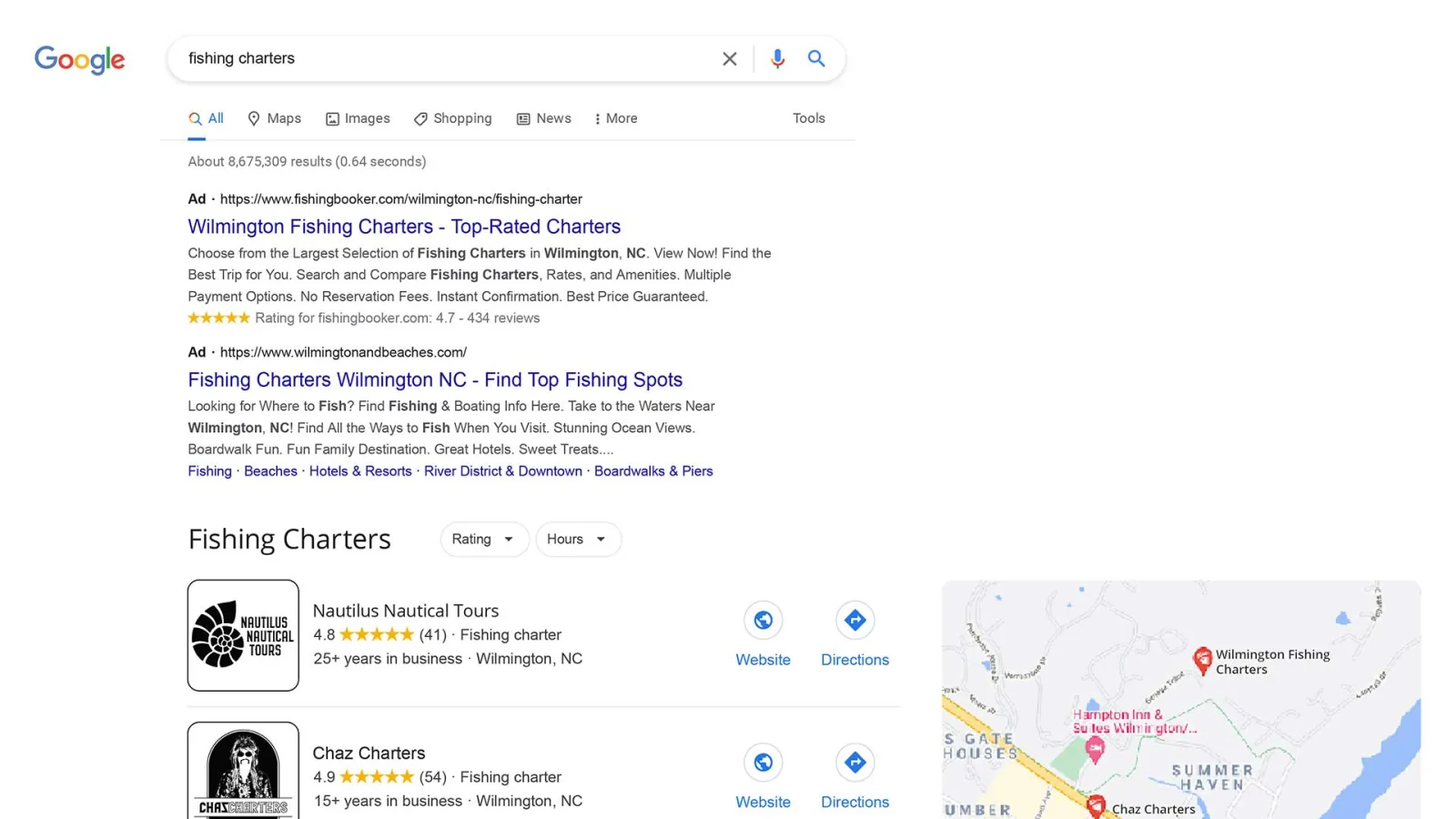
Getting higher results on Google might make all the difference in today's internet world between being discovered and overlooked. Knowing the principles of Google's first-page ranking calls for more than simply keywords. It's about providing helpful material that connects with people. The three most important ranking elements in Google search results are high-quality content, page experience, and internal and external links.

Imagine you're running a digital advertising campaign, carefully tracking each interaction to gauge your success. Then you notice something strange—a surge in activity that doesn't lead to real engagement. This scenario is all too common and points to a widespread issue: click fraud. While these engagements look legitimate at first glance, they are often generated by bots or click farms, draining budgets and skewing metrics.
This type of fraud undermines the effectiveness of online advertising, leaving businesses frustrated with wasted spend and inaccurate performance data. As fraudsters become more sophisticated, it's clear that traditional methods aren't enough to combat the problem.
To stay ahead, advertisers must adopt advanced tools to ensure their campaigns remain effective and trustworthy.