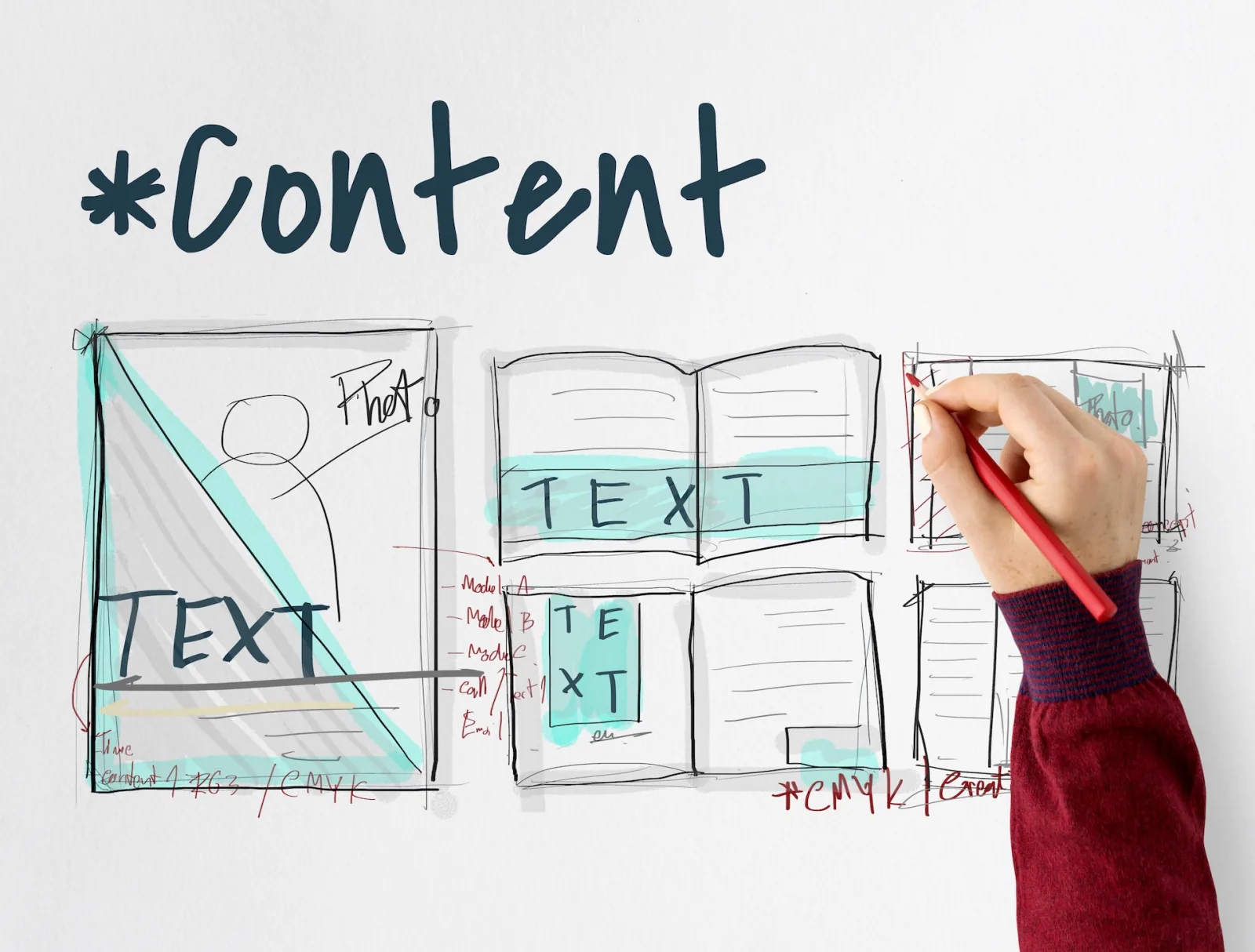
No beating around the bush—here it goes. Figuratively speaking, short-form content is a sprint, whereas long-form content is a marathon. The former wins people’s hearts before they can count to one (well, okay, to 30 in videos). The latter requires patience. Yet, once you cross that much-awaited finish line, the loyal crowd applauds and takes you up into the air.
But when should you schedule sprints, and what’s the golden hour for marathons in your content calendar? That is, which format is better: short-form vs. long-form content?
Let’s break it down and then explore the most suitable content marketing strategies for each separately. As a bonus, we’ll drop several winning tactics for both. Prepare for a far-off reading trip in this article, but it’ll be worth it in the long run (and we’ll make it pun-tastic).
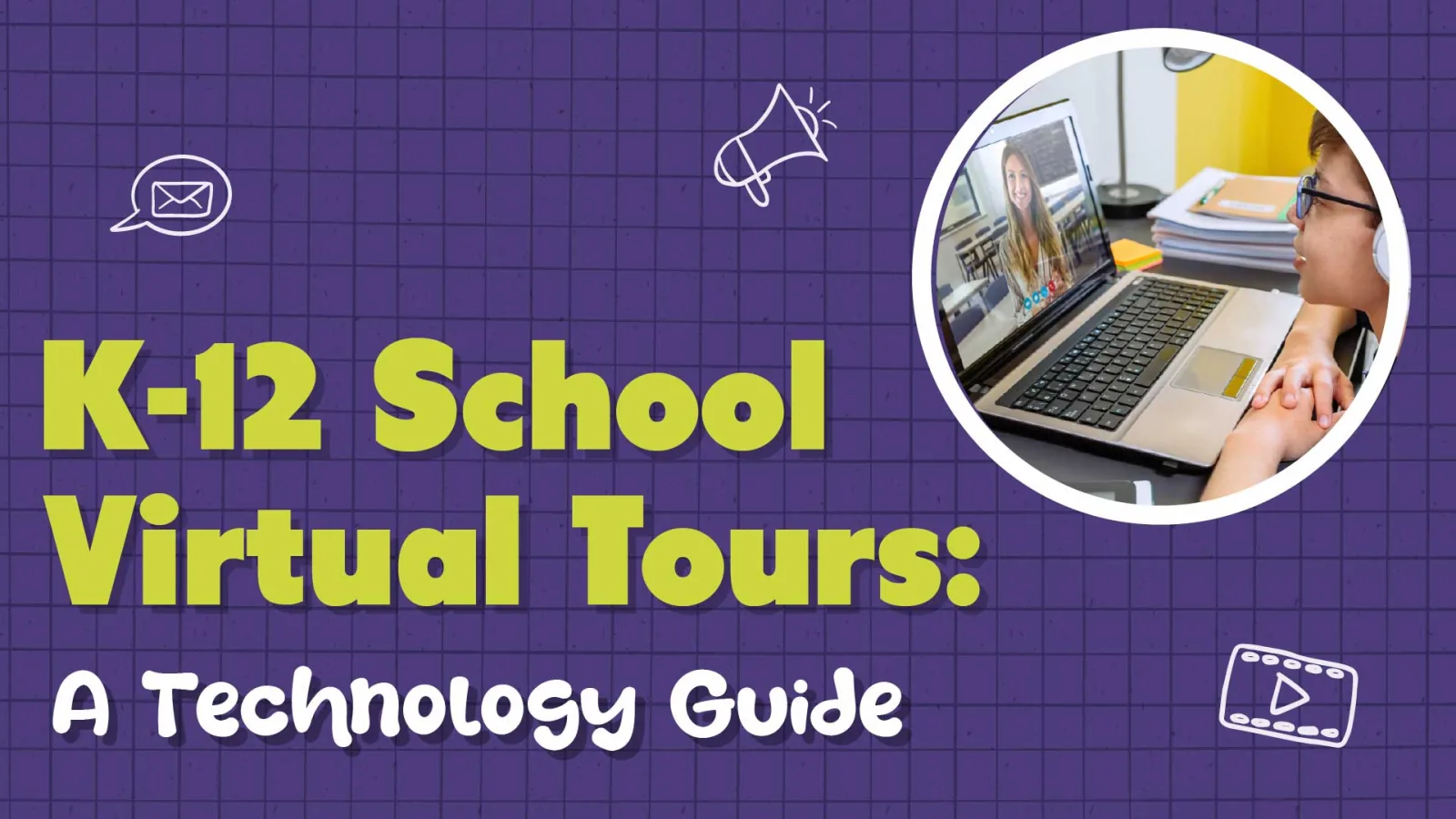
Let's face it - in today's digital-first world, if prospective families can't find you online, you might as well be invisible. And no, that dusty photo gallery from 2018 isn't cutting it anymore.
According to recent research by International School Parent, 70% of parents say they would use virtual tours to research schools, with 60% considering virtual tours as a viable alternative to in-person visits. More tellingly, schools that implemented professional virtual tours saw a 20% increase in website traffic and a 10% increase in inquiries.
The virtual tour landscape has transformed dramatically, with the global virtual tour market expected to grow from $1,219.1 million in 2023 to approximately $15,923.0 million by 2034, with a remarkable CAGR of 29.3% during the forecast period from 2025 to 2034. (Source: Market.us) While virtual college tours have increased by 258%, K-12 private schools are now following this trend with their own implementations.
In this guide, we'll walk through everything your K-12 private school needs to know about creating virtual tours that don't just showcase your campus but actively convert interested prospects into enrolled students. From the technical nuts and bolts to implementation strategies and ROI measurement, consider this your comprehensive roadmap.

Written By: Adam Bennett | June 06, 2025
Adam is the president and founder of Cube Creative Design and specializes in private school marketing. Since starting the business in 2005, he has created individual relationships with clients in Western North Carolina and across the United States. He places great value on the needs, expectations, and goals of the client.
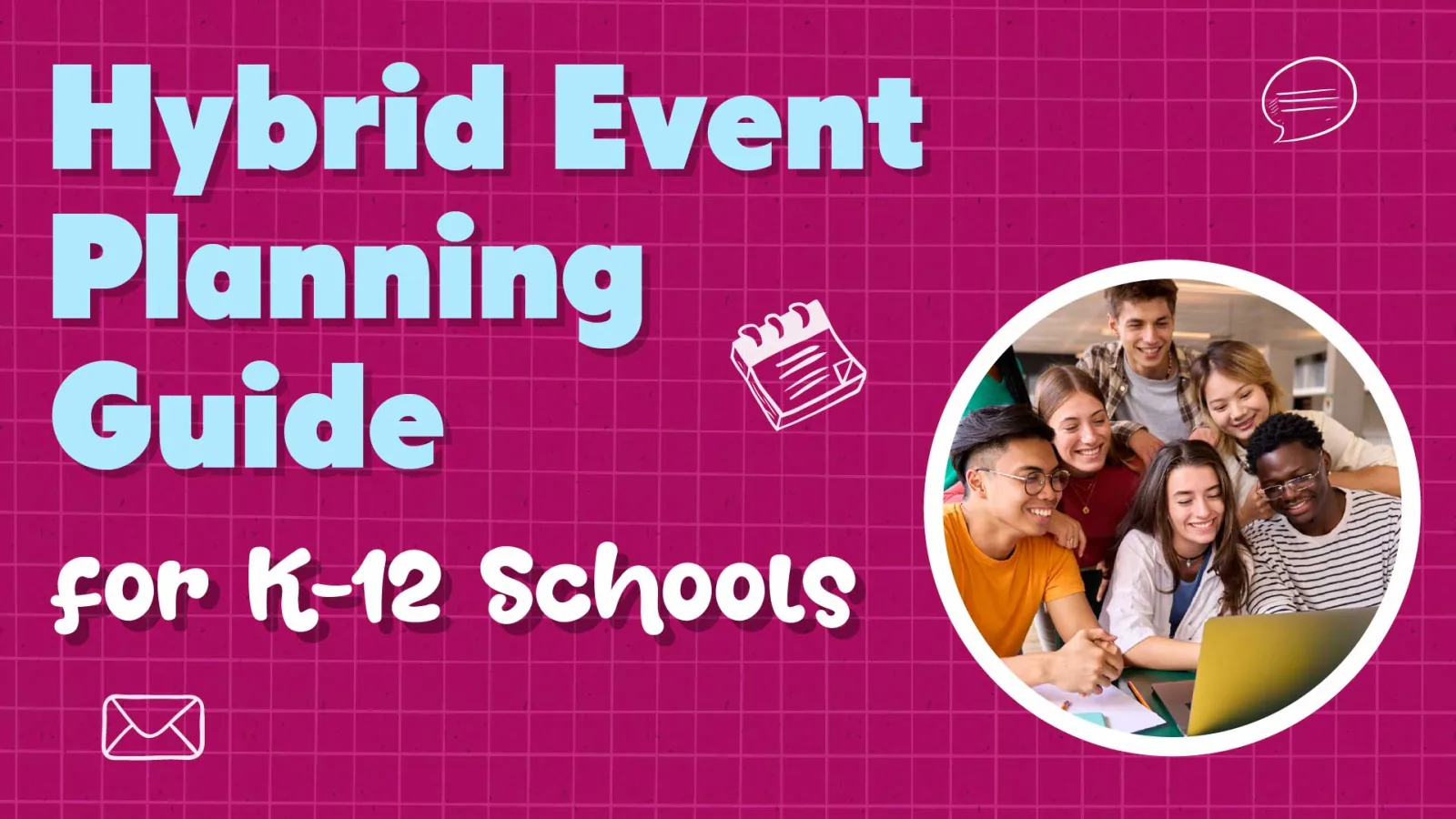
Let's face it—if the pandemic taught us anything, it's that adaptation isn't just helpful, it's essential. And while we all initially groaned at the thought of another Zoom meeting, hybrid events have evolved from a necessary evil to a powerful opportunity for private schools to expand their reach, enhance parent engagement, and showcase their technological prowess.
The data speaks for itself: recent polling reveals that 72% of parents are considering new school options, with 49% preferring their child learn at home at least one day a week. For K-12 private schools, this shift in parent expectations extends beyond just classroom learning to school events and activities. Parents now expect the flexibility and accessibility of hybrid options for everything from parent-teacher conferences to school performances.
The transition to hybrid events isn't just about keeping up with the times—it's about leveraging a powerful tool to differentiate your school in an increasingly competitive educational marketplace. When done right, hybrid events can:
- Increase attendance and participation from busy parents who might otherwise miss out
- Create meaningful engagement opportunities for distant family members (grandparents, etc.)
- Showcase your school's commitment to innovative educational approaches
- Build a stronger, more connected school community across physical boundaries
- Provide valuable content that can be repurposed for marketing and recruitment
But let's be honest—many schools rushed into hybrid events without proper planning during the pandemic, resulting in awkward experiences that felt like poor substitutes for in-person gatherings. The good news? We've learned a lot since those early days, and this guide will help you create hybrid events that aren't just adequate alternatives but genuinely enhanced experiences for everyone involved.
Written By: Adam Bennett | June 06, 2025
Adam is the president and founder of Cube Creative Design and specializes in private school marketing. Since starting the business in 2005, he has created individual relationships with clients in Western North Carolina and across the United States. He places great value on the needs, expectations, and goals of the client.

Print marketing hasn’t vanished—it’s evolved. If you run a local business, you probably still lean on flyers, brochures, and mailers to reach your neighborhood. And there’s nothing wrong with that. But what if those same printed assets could work twice as hard by crossing into the digital space? This isn’t about throwing everything online and hoping it sticks—it’s about smart, intentional reuse. With a few creative pivots, your print materials can fuel your digital strategy and stretch your budget in the process. Let’s explore how to make that happen in ways that are fresh, doable, and not stuck in old marketing playbooks.
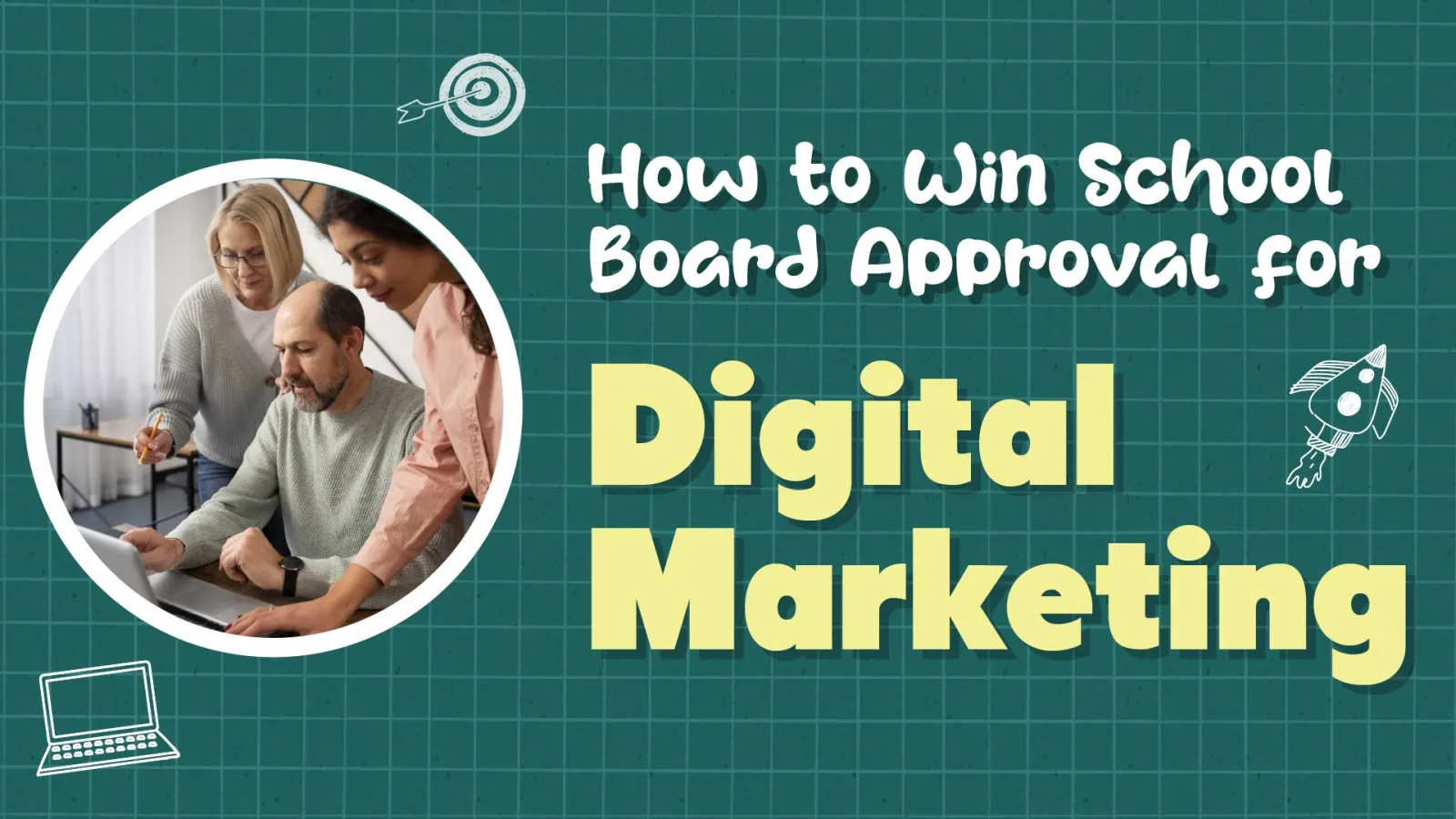
You walk confidently into the boardroom, armed with a meticulously prepared digital marketing proposal. Twenty minutes later, you walk out deflated, your innovative ideas rejected before they could even take flight. What went wrong? Despite your marketing expertise, you failed to bridge a critical communication gap – you spoke the language of marketing while the board spoke the language of educational outcomes and fiscal responsibility.
This scenario plays out in private schools across the country every day. While marketing professionals understand the potential of digital strategies, school boards and administrators often view these initiatives through an entirely different lens. Cato Institute reports that "46% of private schools saw an increase in enrollment from 2022-2023 to 2023-2024," showing a trend of parents seeking alternative education options, particularly since COVID-19.
According to Fairfield Market Research, "Global K-12 private education market is expected to witness a significant surge, jumping from US$7.5 Bn in 2022 to US$12.7 Bn in 2030," with a CAGR of 7.9% between 2023 and 2030. Again, this demonstrates the increasing importance of effective marketing for private schools.
This guide provides a practical framework for translating digital marketing metrics into educational outcomes that resonate with decision-makers, helping you secure approval for initiatives that can transform your school's enrollment and community engagement.
Written By: Adam Bennett | June 06, 2025
Adam is the president and founder of Cube Creative Design and specializes in private school marketing. Since starting the business in 2005, he has created individual relationships with clients in Western North Carolina and across the United States. He places great value on the needs, expectations, and goals of the client.
There's no doubt that starting a home service business is exciting and can give you a platform for turning your passion into a successful career. Whether you're dreaming of launching a plumbing company, handyman service, lawn care business, or house cleaning operation, the possibilities are endless! But let's face it – one of the biggest roadblocks many aspiring home service entrepreneurs hit is having a bank account that's emptier than a politician's promise.
Don't worry, though! Your dreams aren't "going down the drain" just yet. Below is a six-step-by-step guide on launching a home service company with little to no funds. From choosing a low-cost service to creating your marketing strategy, let's get you on track to flourishing on your entrepreneurial journey without needing a money tree in your backyard!

Written By: Chad J. Treadway | June 04, 2025
Chad is our Chief Smarketing Officer. He will help you survey your small business needs, educating you on your options before suggesting any solution. Chad is passionate about rural marketing in the United States and North Carolina. He also has several certifications through HubSpot to better assist you with your internet and inbound marketing.
Let's face it – your private school needs students, but your marketing budget looks more like pocket change than a war chest. You're not alone. While competition for students intensifies, professional marketers recommend that private K-12 schools allocate between 2-12% of their annual revenue to marketing (Source: National Association of Independent Schools [NAIS]), though many smaller institutions must accomplish their enrollment goals with far less. According to the NAIS Report, private schools typically operate with small marketing teams, with nearly 90% of schools reporting marketing teams of three or fewer full-time employees. This is why having a structured marketing plan is even more essential for educational institutions.
But here's the good news: budget constraints don't have to mean enrollment constraints. In fact, some of the most effective enrollment marketing happens when creativity fills the gap left by cash. Although a small budget of just $1,000 is unlikely to net even one new student, strategic implementation of the right tactics can deliver strong results.
This guide will walk you through creating a focused 90-day enrollment marketing plan that maximizes every dollar. We'll cover everything from setting clear goals to measuring your success, providing actionable strategies that work even when resources are tight. And yes, there will be a downloadable template at the end to help you implement everything you learn.
Ready to turn your shoestring budget into a student-attracting machine? Let's dive in.
Written By: Adam Bennett | June 04, 2025
Adam is the president and founder of Cube Creative Design and specializes in private school marketing. Since starting the business in 2005, he has created individual relationships with clients in Western North Carolina and across the United States. He places great value on the needs, expectations, and goals of the client.

In 2025, the scroll has replaced the stroll. People don’t flip pages — they tap screens. And what are they tapping on? Videos.
And nowadays, there are many: a bite-sized TikTok clip, a sleek YouTube ad, a helpful how-to Reel on Instagram… The list can go on and on. Video has taken over the minds of ordinary folk, content creators, businesses, and even politicians.
Especially businesses. Video marketing is a huge trend and if your brand isn't using it, you’re basically whispering in a concert hall. Let's explore why video marketing has become so popular and how it can benefit businesses of all sizes.
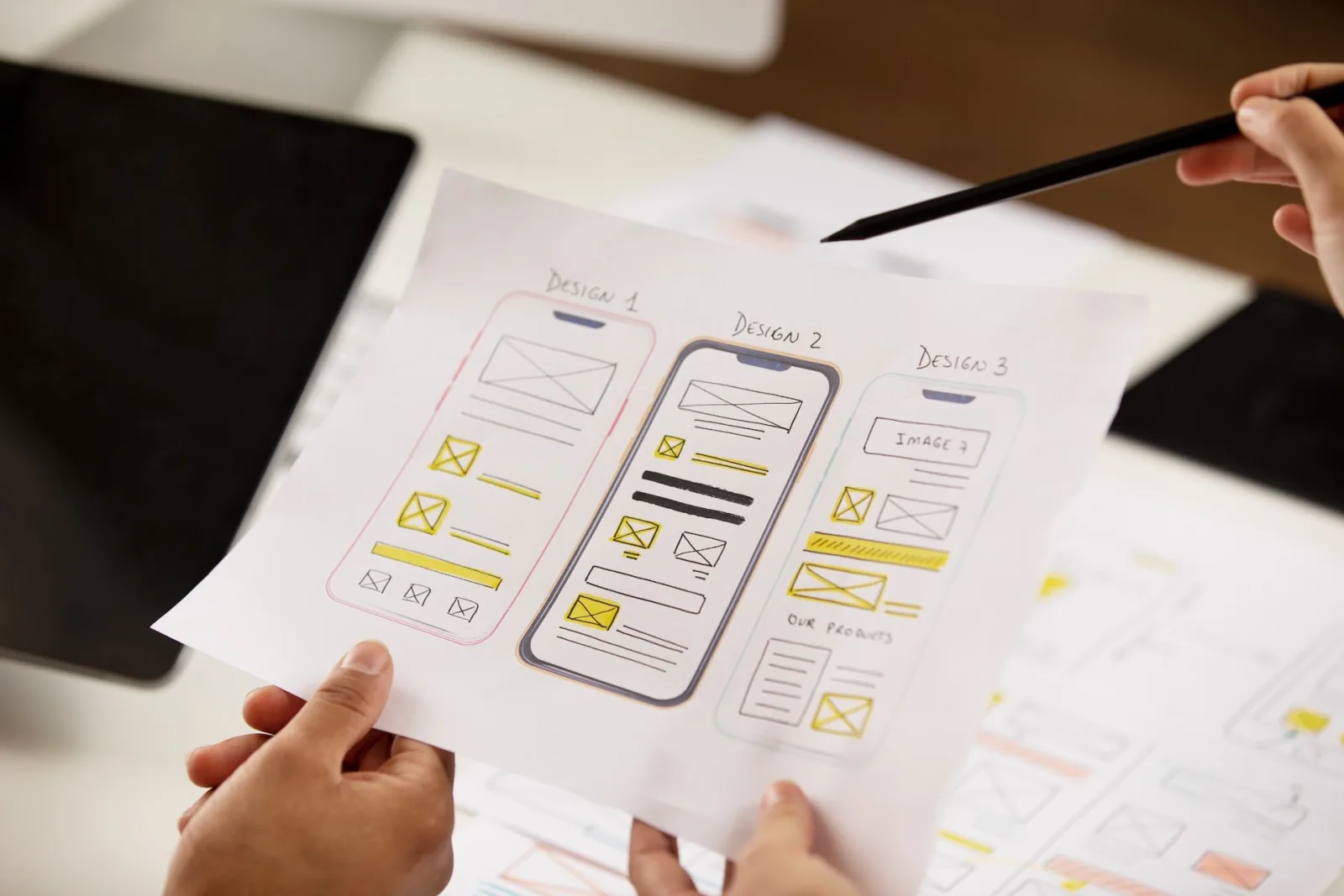
Data matters. Yet even the most sophisticated research tools fall short if the user experience frustrates, confuses, or misleads. Every digital interaction—from how a question is worded to the way a button is placed can shape the outcome. When design fails, data suffers.
Research integrity depends on more than protocols or intentions. It begins with a design that respects the participant’s attention, comprehension, and ease. A survey may look simple on the surface, but small UX decisions can have a major impact on response quality. The clearer the interface, the better the data. Researchers and designers share a responsibility: build systems that help people share what they know, clearly and confidently.

Visitors decide in seconds if a local business deserves their time. A small ripple of motion, a gentle color shift, or a subtle click sound can calm nerves immediately. These tiny signals whisper, “You can trust this site.” Without them, even polished pages can appear cold. People leave, bookings drop, and ad budgets leak value swiftly. First impressions rule revenue today.
Micro-interactions change that story. A form button lifts when tapped, showing it heard the user. A progress bar eases doubt during a quote request. Even a heart pulsing beside five-star reviews invites a smile. Each cue earns seconds of patience, and patience gives you space to present value. Design those cues with intent, and the visitor of local service websites becomes a client.
Are your technicians spending more time battling traffic than bugs? If your routing strategy still involves pushing pins into maps or scribbling notes on whiteboards, you might be watching profits crawl away one mile at a time.
In the pest control industry, time truly is money. Every minute your technicians spend driving between jobs represents a lost opportunity and increased expenses. In the past, companies plotted routes manually, often pushing pins into maps on walls. Today, many use routing software and electronic optimization tools to make routes as efficient as possible. The difference between these approaches can mean thousands of dollars to your pest control marketing bottom line.
Let's exterminate those inefficient routes and explore how proper route optimization can be the secret weapon your pest control business needs to thrive.
Written By: Chad J. Treadway | June 02, 2025
Chad is our Chief Smarketing Officer. He will help you survey your small business needs, educating you on your options before suggesting any solution. Chad is passionate about rural marketing in the United States and North Carolina. He also has several certifications through HubSpot to better assist you with your internet and inbound marketing.

What does it mean to create a green business? There are many different definitions you might consider, including having a business that provides sustainable products or simply being environmentally conscious in your corporate actions. Each has the same outcome, which is to make the world a healthier place for today and in the future.
In today's market, sustainable entrepreneurship isn't just an ethical choice—it's increasingly becoming a smart business strategy. "Companies with strong ESG (Environmental, Social, Governance) profiles outperform their peers by up to 10% on average." (Source: McKinsey)
Written By: Chad J. Treadway | June 02, 2025
Chad is our Chief Smarketing Officer. He will help you survey your small business needs, educating you on your options before suggesting any solution. Chad is passionate about rural marketing in the United States and North Carolina. He also has several certifications through HubSpot to better assist you with your internet and inbound marketing.