
Advanced email automation goes far beyond the "welcome email, then weekly newsletter" approach that most businesses settle for. We're talking about intelligent systems that monitor customer behavior across multiple touchpoints and respond with precisely timed, contextually relevant messages.
This includes behavioral trigger sequences that activate when someone browses specific product categories, abandons their shopping cart, or downloads a resource. Dynamic content personalization adjusts email content based on past purchases, location, or engagement patterns. Predictive analytics identify when customers are most likely to make repeat purchases or when they're at risk of churning.
Setting up these sophisticated workflows requires careful planning and technical expertise. Many businesses find that working with a trusted ActiveCampaign consultant helps them navigate the complexity of advanced automation setup, ensuring proper integration between their CRM, e-commerce platform, and other business tools. The most sophisticated systems can even adjust send times for each individual recipient based on when they're most likely to engage, creating truly personalized communication schedules.
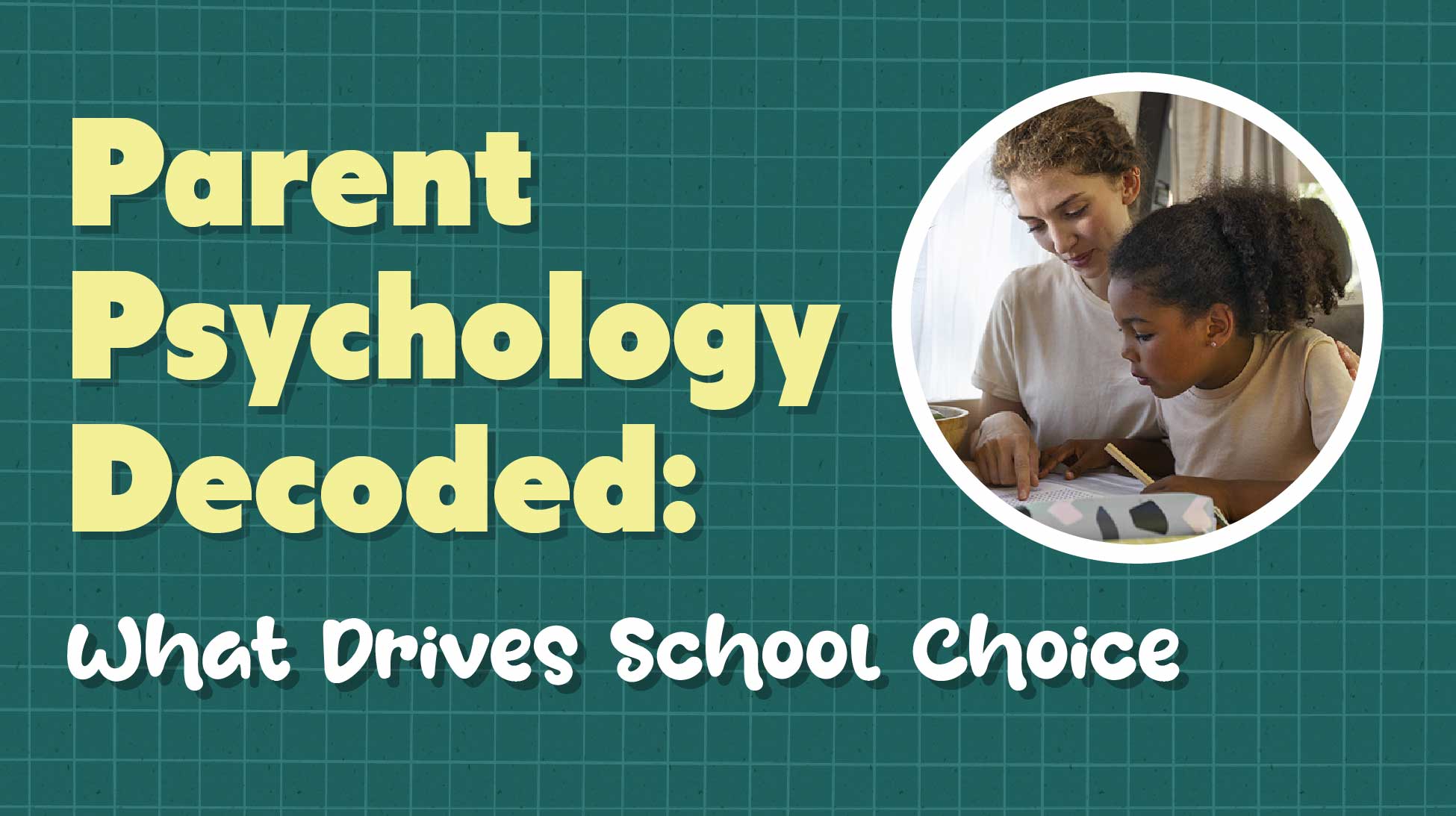
Let's face it — gone are the days when parents simply enrolled their kids in the nearest private school with a decent reputation. In 2025, we're dealing with a whole new breed of educational consumers who are simultaneously more satisfied with their current schools and more likely to be shopping for alternatives.
Yes, you read that right. It's what I call the "Satisfaction Paradox," and it's completely upending how we need to think about attracting and retaining families. According to the National School Choice Awareness Foundation, a staggering 60% of U.S. parents considered switching schools for at least one of their children last year — even though most report being satisfied with their current school.
Why? Because today's parents aren't just problem-solvers; they're optimization machines. The operative question is no longer "Is this school failing my child?" but rather "Could another school give my child an even greater advantage?"
If you're still marketing your school like it's 2015, you're already behind. This post will decode what's really driving parent decisions in 2025 and give you actionable strategies to not just survive but thrive in this hyper-competitive landscape.

Written By: Adam Bennett | September 26, 2025
Adam is the president and founder of Cube Creative Design and specializes in private school marketing. Since starting the business in 2005, he has created individual relationships with clients in Western North Carolina and across the United States. He places great value on the needs, expectations, and goals of the client.
You've built a solid pest control business with effective treatments and skilled technicians, but potential customers hesitate to pick up the phone. Does this sound familiar?
For pest control businesses, building trust isn't just important—it's essential. When customers invite you into their homes to handle potentially dangerous pests and chemicals, they need absolute confidence in your expertise and reliability.
Your website serves as your digital handshake—and research shows it makes this impression with startling speed. Studies from Stanford's Persuasion Technology Lab reveal visitors form their initial judgment about your credibility within just 50 milliseconds of landing on your site—entirely based on visual design before they read a single word.
Ready to transform your pest control website into a trust-building powerhouse? We'll walk you through six proven strategies that convert hesitant browsers into confident customers. BrightLocal research found that 93% of consumers research a service business online before making contact, and websites with strong trust signals can increase conversion rates by up to 67%.
By the end of this article, you'll have practical, actionable strategies to showcase your expertise and win over skeptical homeowners and business managers alike.

Written By: Chad J. Treadway | September 26, 2025
Chad is a Partner and our Chief Smarketing Officer. He will help you survey your small business needs, educating you on your options before suggesting any solution. Chad is passionate about rural marketing in the United States and North Carolina. He also has several certifications through HubSpot to better assist you with your internet and inbound marketing.
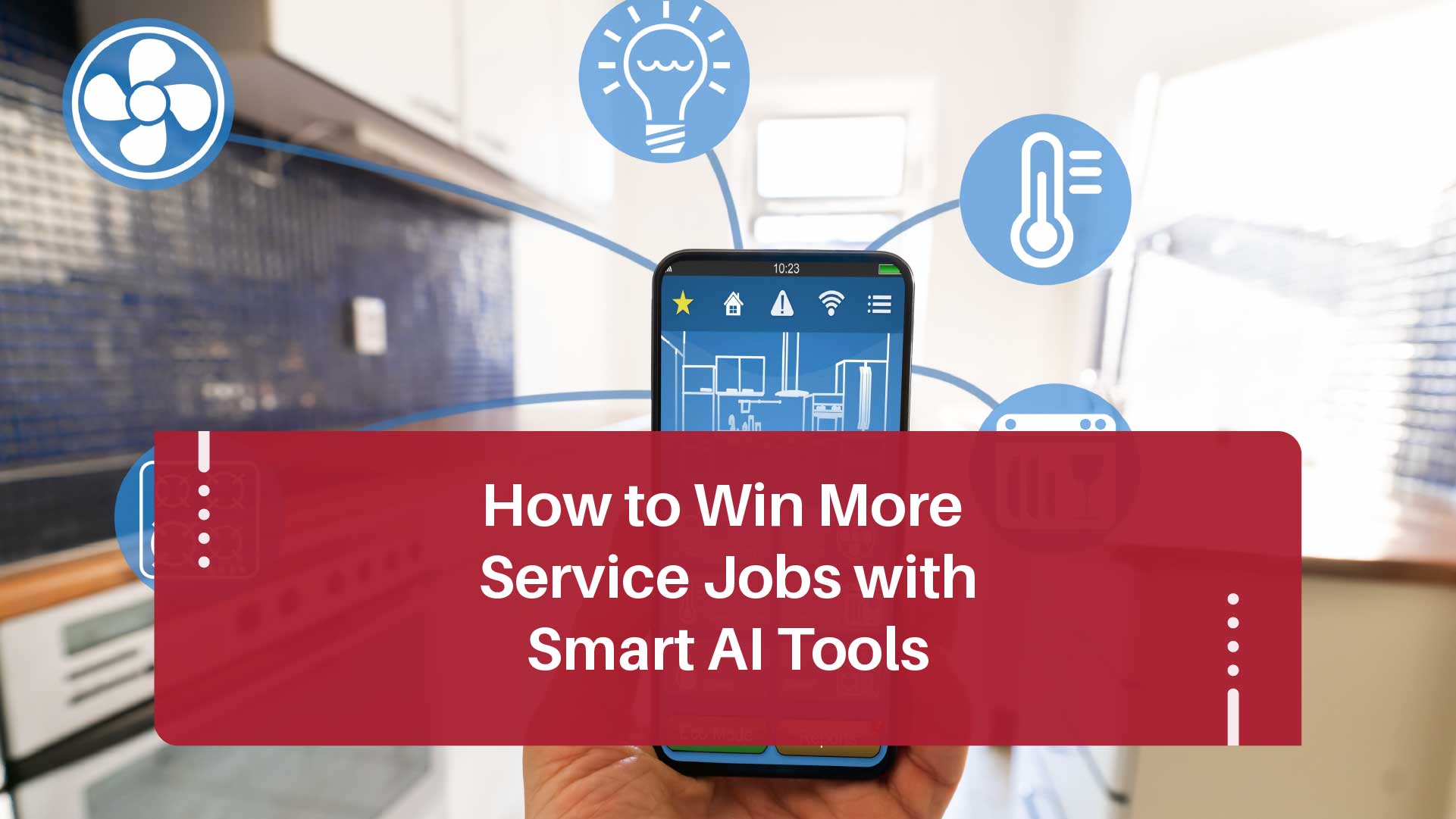
If you're drowning in paperwork, juggling technician schedules on a whiteboard, and losing jobs to competitors who show up faster, you're not alone. The typical home service business owner spends 17+ hours weekly on administrative tasks that could be automated. Meanwhile, your most experienced technicians waste hours driving between jobs that could have been routed more efficiently, and customers are increasingly choosing competitors who offer real-time updates and precise appointment windows.
Welcome to 2025, where artificial intelligence isn't just for tech giants; it's revolutionizing how plumbers fix leaks, handymen hang shelves, and cleaners tackle that mysterious stain in the corner of your client's basement.
"The global field service management market is projected to reach $11.61 billion by 2032, growing at a compound annual growth rate (CAGR) of 12.7% during the forecast period (2025-2032)." (Source: SkyQuest)
Mordor Intelligence reports, "The field service management market size is expected to reach $5.52 billion in 2025 and grow at a CAGR of 11.70% to reach $9.60 billion by 2030."
Here's your comprehensive guide to understanding and implementing AI in your home service business, no computer science degree required.
Written By: Adam Bennett | September 26, 2025
Adam is the president and founder of Cube Creative Design and specializes in private school marketing. Since starting the business in 2005, he has created individual relationships with clients in Western North Carolina and across the United States. He places great value on the needs, expectations, and goals of the client.