
Recession. That is not a word you want to hear around your office. Though it is part of the economic cycle, that makes it no less scary for business owners. It has been a little over a decade since The Great Recession, but many parts of the country are still feeling the effects. From rural towns and in North Carolina to metropolitan centers like Detroit, some businesses never and communities still have not recovered.
Are we approaching another recession? Economists believe there is a good chance the next one will come as soon as 2020, after the presidential election. One of the best practices to protect your business from an economic downturn or recession is effective content marketing. In this article, we will discuss four steps toward recession-proof content marketing:
1) Determine Your Target Audience
When people hear the word marketing, it often conjures thoughts of loud radio and television commercials. By “loud” commercials, we mean ads on television have at times been so much louder than regular programming, the congress enacted The CALM Act to regulate their volume. Proponents of this type of marketing believe that name recognition is the most important thing. That’s why companies shell out millions of dollars for ad space during events like the Super Bowl.
Name recognition is valuable for any business; however, television commercials, radio spots, and print ads do not take your target audience into mind. When you use these marketing strategies, you are paying a lot of money in hopes the right people will happen to be listening at the right time to give you a call. With more Google users than humans, your marketing dollars are more effective when they take your target audience in mind.
If you know potential clients, you can tailor content for them on your website and social media platforms for a fraction of the cost of blasting your message out to whoever happens to be listening. That mindset can be a recession-lifesaver during a recession when people are cutting costs like cable and radio subscriptions.
2) Position Yourself as the Subject Matter Expert
You probably spend a lot of time answering phone calls from people who just need advice in your field, even if those same callers do not become customers. If you are an electrician, it may feel like a waste of time to walk someone through the process of flipping a breaker, but for the caller, you are the subject matter expert. Next time they need a house rewired; they are going to call you.
Effective content marketing establishes you as a subject matter expert. Through blogging and other digital content outlets, you can help people with basic issues in your field, providing the kind of answers you would on the phone. A plumber might write a blog walking a homeowner through the steps of flushing a water heater. A builder might write a blog about necessary elements for homebuyers to include in their home design. If this feels like giving away the farm, here’s how it helps:
- This content helps your website show up when people search for these questions on Google
- Your answers help establish you as an expert
- Your content meets people where they are when they are asking questions; rather, than hoping they will remember your number from a commercial they heard months or years earlier
- Your content exists as long as the internet. Those daily phone call questions make great content, but unlike a phone call, your digital content lasts forever.
- Getting your content on your digital platforms now will give it time to start showing up for Google searches before a recession occurs. While others in your industry are scrambling, you will be ahead of the curve.
3) Provide Potential Clients Value Now
Content marketing hinges on your company’s commitment to providing valuable information for potential clients in your target audiences. As a recession sets in, consumers will be searching for the most value for their dollars. If you have established yourself as the most helpful expert in your field, you become more valuable. During a recession, people are not gravitating toward the loud commercial begging them to buy a client, they are going to protect their dollars for the company providing the most value.
4) Content Marketing Costs a Fraction of Traditional Advertising
With lower entry costs and higher returns, content marketing makes the most sense for the majority of your advertising budget today and during a recession. It can take a little time to get the ball rolling, but once you start building momentum, digital marketing is unparalleled in effectiveness during good economic times and recessions.
Furthermore, content marketing is evergreen, meaning it never goes away. Radio and television ads stop airing when the contract ends, while blogging and other digital marketing last forever and can often get more attention as it ages. So, while others in your industry are scrambling to get noticed while their audiences are spending less money, effective content marketing today will help cement your name in the minds of your potential clients.
The key is to prepare today for tomorrow’s recession. Cube Creative Design has been helping clients establish their digital marketing footprint since well before the 2008 Great Recession. We survived the last recession and we can help you plan and implement strategies to survive the next. Contact us for more information about content marketing.

Written By: Gary Buffaloe | November 07, 2019

Can you think about the last purchase you made, one that you did any research on?
Recently, I bought a new carry-on backpack. First, I knew I wanted a backpack, I also knew I wanted one that had good handles, one that I could carry like a briefcase, and it had to have shoulder straps. A waist belt would be a plus, and ultimately it would fit in an overhead bin as I didn't want anything I had to check on an airplane. I spoke with a friend of mine who recommended "this one." It sent me down the buyer's journey/research into the bag. I looked at the reviews, "best of" lists, and comparison videos talking about problems, pros, and cons, and I compared the costs.

Written By: Chad J. Treadway | October 02, 2019
Chad is a Partner and our Chief Smarketing Officer. He will help you survey your small business needs, educating you on your options before suggesting any solution. Chad is passionate about rural marketing in the United States and North Carolina. He also has several certifications through HubSpot to better assist you with your internet and inbound marketing.
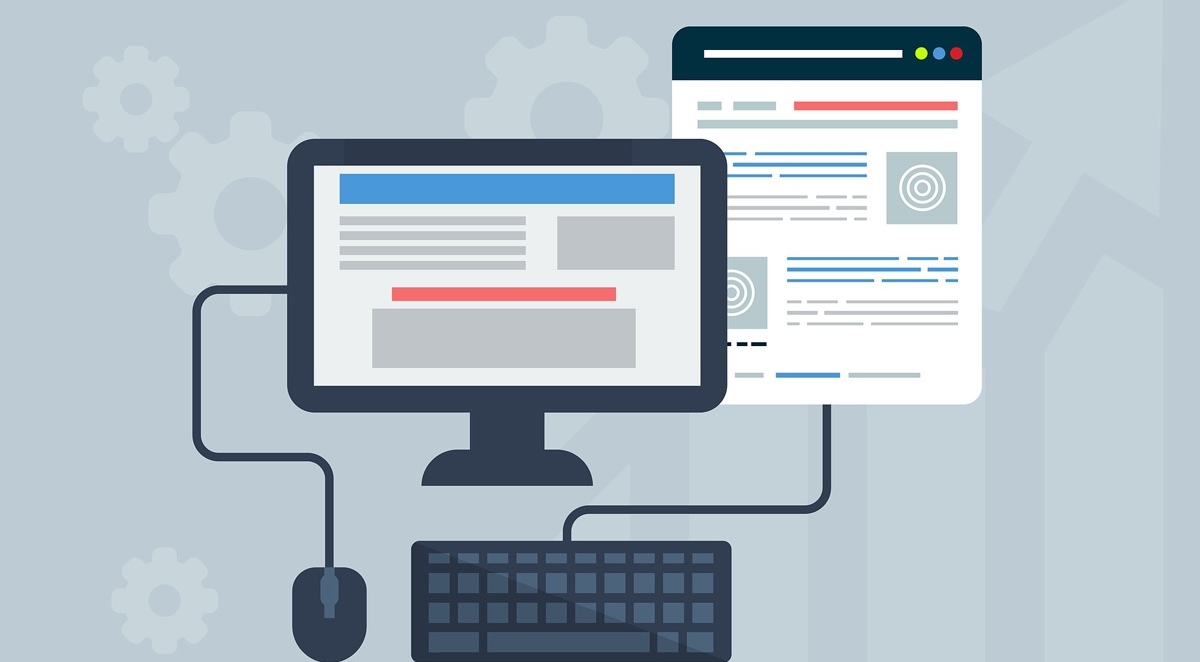
When you are just starting out or looking to redo your website there are a myriad of options out there, from the do it yourself (DIY) web builders, agencies who specialize in semi-custom sites with predetermined look and powered by a content management system (CMS), agencies that build custom looks on a CMS, or one that is a one off programmed and designed.
Written By: Chad J. Treadway | September 30, 2019
Chad is a Partner and our Chief Smarketing Officer. He will help you survey your small business needs, educating you on your options before suggesting any solution. Chad is passionate about rural marketing in the United States and North Carolina. He also has several certifications through HubSpot to better assist you with your internet and inbound marketing.

Every day, thousands of people search for products and services in your area. They want to see how you compare to other similar businesses. Most will use search engines and social media to see what other people are saying about your business. The problem is, your happiest customers aren't always the ones sharing their opinion online.
Inconvenience and uncertainty are the top two reasons your customers don't leave reviews about their experience.
Change that cycle with a reputation management plan. Get reviews from your happy clients through text message or email. Point the happy customers to review online and steer the unhappy ones to leave you a message about his experience so you can make it right before he shares his experience online.
View your most recent reviews on each platform, be it Google Business, Facebook, Yellow Pages, Angie's List, or others and reply to each entry.
Adding a texting platform to your list of communication would allow customers to reach you in a way familiar to them without having to call or email.

Written By: Adam Bennett | March 31, 2019
Adam is the president and founder of Cube Creative Design and specializes in private school marketing. Since starting the business in 2005, he has created individual relationships with clients in Western North Carolina and across the United States. He places great value on the needs, expectations, and goals of the client.