As a service area business owner, you understand the importance of effective marketing in attracting new customers and growing your business. However, promoting your business can be challenging, especially with a limited budget. Many traditional advertising methods, such as television or billboard ads, can be relatively expensive for small businesses.
The good news is that numerous low-budget marketing strategies can help you reach your target audience and achieve your marketing goals. By implementing creative, cost-effective tactics, you can build brand awareness, generate leads, and increase customer loyalty without breaking the bank.
In this comprehensive guide, we’ll explore a wide range of low-budget marketing ideas explicitly tailored to the needs of service area businesses. From developing a strong online presence to leveraging community involvement and implementing guerrilla marketing tactics, you’ll discover practical, actionable advice to help you make the most of your marketing efforts.
Throughout the guide, we’ll provide step-by-step instructions, real-world examples, and visual aids to help you understand and apply these strategies effectively. Whether you’re a startup founder, a solopreneur, or an established service area business owner, you’ll find valuable insights and inspiration to take your marketing to the next level.
By the end of this guide, you’ll have a solid foundation for creating a successful low-budget marketing plan that drives results for your service area business. So, let’s dive in and explore the many ways you can promote your business effectively, even with limited resources.

Written By: Chad J. Treadway | April 24, 2024
Chad is our Chief Smarketing Officer. He will help you survey your small business needs, educating you on your options before suggesting any solution. Chad is passionate about rural marketing in the United States and North Carolina. He also has several certifications through HubSpot to better assist you with your internet and inbound marketing.
In the world of pest control, the stakes are high, and the last thing you need is to lose valuable leads and appointments due to an underperforming website. Picture it: lost opportunities fluttering about like bats in the belfry, reminiscent of that chaotic scene from the 1989 Batman movie with Jack Nicholson and Michael Keaton. As a dedicated operator in the field, you understand the importance of a strong online presence. Without it, you're essentially leaving money on the table, watching your hard-earned growth seep away. But fear not because in this digital age, there are solutions to corral those elusive leads and guide them seamlessly into sales.
An effective digital presence is imperative for attracting more customers now and in the future. Through refreshing key elements around design, optimization, and technology integration—you can unlock your website’s revenue-generating potential.
This post will walk through essential strategies to overhaul your pest control site around three core pillars: Appealing visual design to capture attention, simplified booking flows to convert interest, and search engine optimization, ensuring you get found.
Written By: Chad J. Treadway | April 22, 2024
Chad is our Chief Smarketing Officer. He will help you survey your small business needs, educating you on your options before suggesting any solution. Chad is passionate about rural marketing in the United States and North Carolina. He also has several certifications through HubSpot to better assist you with your internet and inbound marketing.
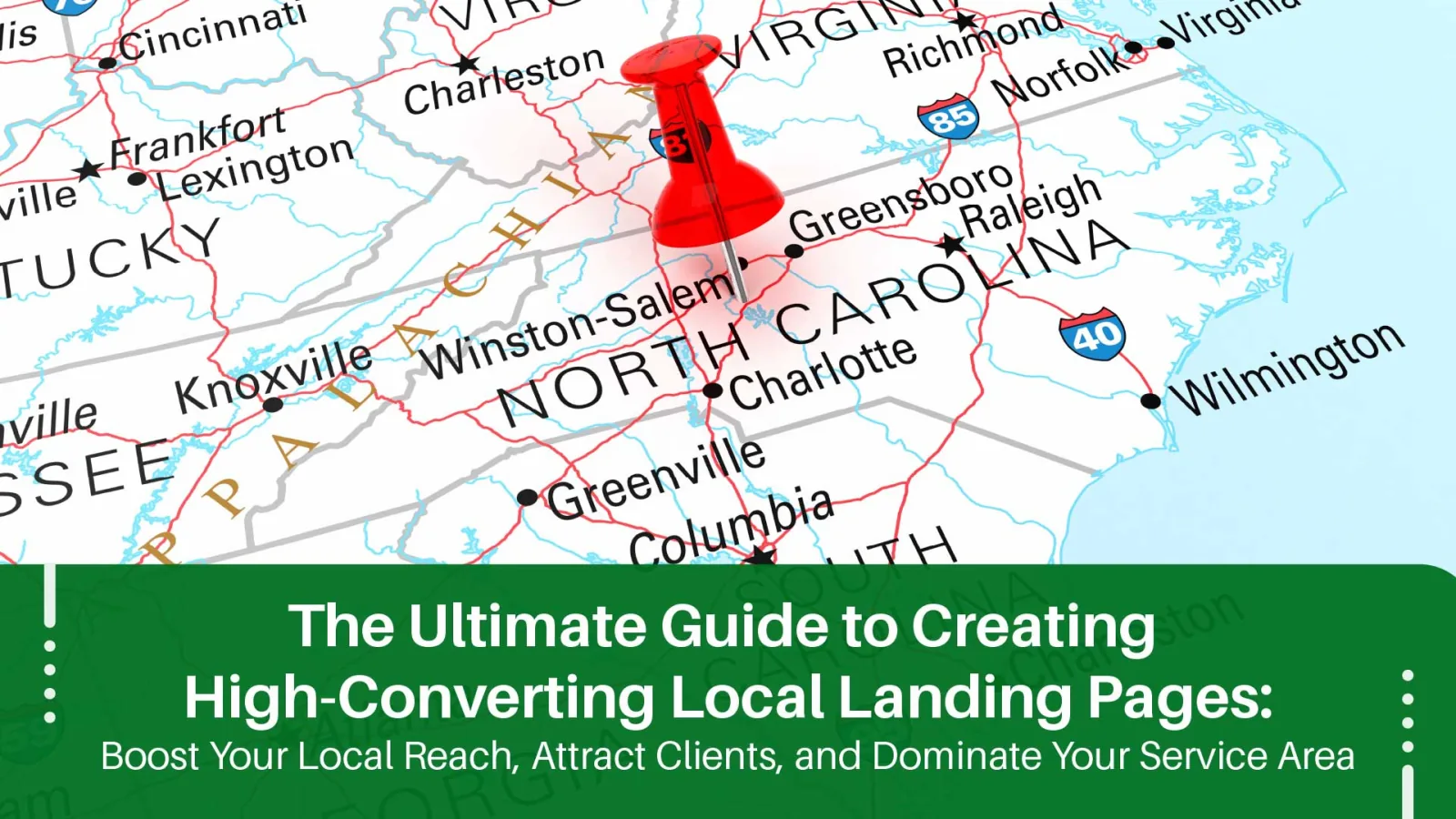
In today’s competitive digital landscape, businesses that want to attract local clients and drive conversions must prioritize the creation of high-converting geographic landing pages. When optimized effectively, these pages can significantly improve search engine rankings, increase conversion rates, and provide a better overall user experience for potential clients in your service area.
In this guide, I will delve into the key elements and strategies necessary to create local landing pages that not only rank well in search results but also persuade your site visitors to take desired actions, such as making filling out a contact form or calling your business.
By implementing the techniques and best practices outlined in this guide, you can unlock the full potential of your geographic landing pages and gain a competitive edge in your market. So, let’s dive in and explore how to craft compelling, high-converting local landing pages that will help your business thrive.
Written By: Chad J. Treadway | April 17, 2024
Chad is our Chief Smarketing Officer. He will help you survey your small business needs, educating you on your options before suggesting any solution. Chad is passionate about rural marketing in the United States and North Carolina. He also has several certifications through HubSpot to better assist you with your internet and inbound marketing.
In today’s competitive education landscape, attracting students to your K-12 private school can be a daunting task. With a growing number of options available to families, including public schools, charter schools, and homeschooling, it’s more important than ever to differentiate your institution and showcase its unique value proposition.
According to the National Center for Education Statistics (NCES), K-12 private school enrollment experienced a slight rise between 2019 and 202. However, "enrollment trends can vary significantly by region, with some states like North Carolina witnessing a 24% increase in private school enrollment over four years." (Source: Blue Ridge Public Radio)
Despite these encouraging signs, the overall trajectory of private school enrollment remains influenced by various factors, such as economic conditions, changes in educational policies, and the impact of events like the COVID-19 pandemic. As a result, private schools must adapt their marketing strategies to effectively reach and engage prospective families in this dynamic environment.
This guide aims to provide actionable strategies for attracting students to your K-12 private school. By understanding your target audience, developing a strong brand identity, building a magnetic online presence, leveraging digital marketing channels, harnessing the power of storytelling, showcasing academic excellence and extracurricular offerings, fostering community engagement, and measuring your marketing efforts, you can unlock the doors to increased enrollment and long-term success.
Throughout this post, we will explore each of these key areas in depth, providing insights, best practices, and real-world examples to help you craft a comprehensive student attraction strategy tailored to your school’s unique strengths and goals. Whether you’re a seasoned marketer or a school administrator looking to boost enrollment, this guide will equip you with the knowledge and tools necessary to stand out in a crowded market and attract the right students to your institution.
So, let’s dive in and discover how you can unlock the doors to a thriving future for your K-12 private school.

Written By: Adam Bennett | April 15, 2024
Adam is the president and founder of Cube Creative Design and specializes in private school marketing. Since starting the business in 2005, he has created individual relationships with clients in Western North Carolina and across the United States. He places great value on the needs, expectations, and goals of the client.

If you've landed here, chances are high that you're ready to take your website to the next level.
It’s likely you understand that a high-performing website is the backbone of any thriving online business.
But what's the secret sauce?
What separates a website that merely exists from one that captivates, engages, and converts?
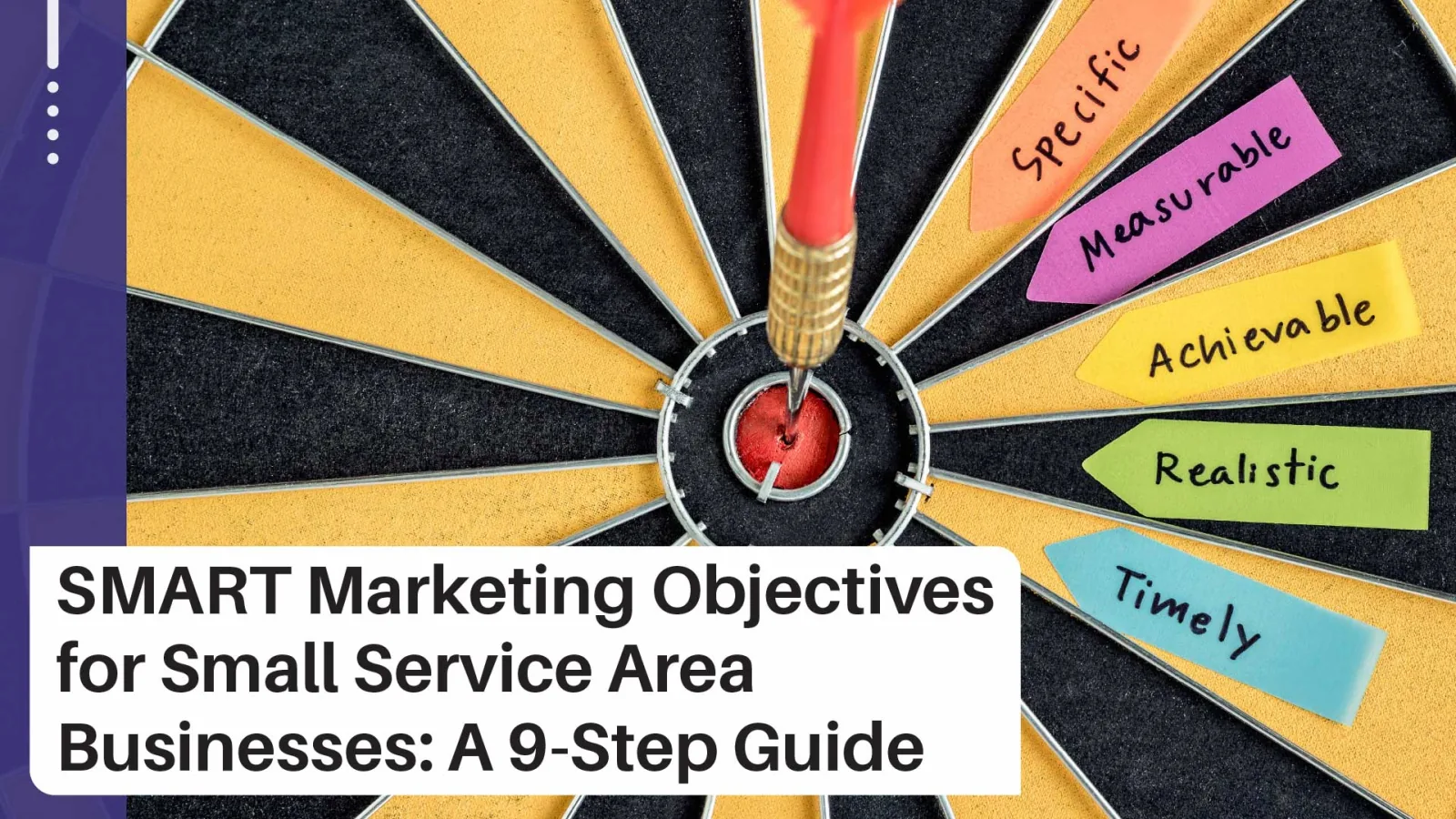
In today’s competitive business landscape, small service area businesses must have a solid marketing plan that sets objectives and aligns them with the company’s overall goals. The key to success is defining clear, measurable, and achievable marketing objectives that reflect your business’s vision and appeal to your target audience.
In this blog post, we will break down the essential elements of effective marketing objectives for small service area businesses. We will explore what SMART objectives are, why they are necessary, and what types of objectives businesses can set to improve customer acquisition, retention, engagement, and revenue.
Written By: Chad J. Treadway | April 10, 2024
Chad is our Chief Smarketing Officer. He will help you survey your small business needs, educating you on your options before suggesting any solution. Chad is passionate about rural marketing in the United States and North Carolina. He also has several certifications through HubSpot to better assist you with your internet and inbound marketing.
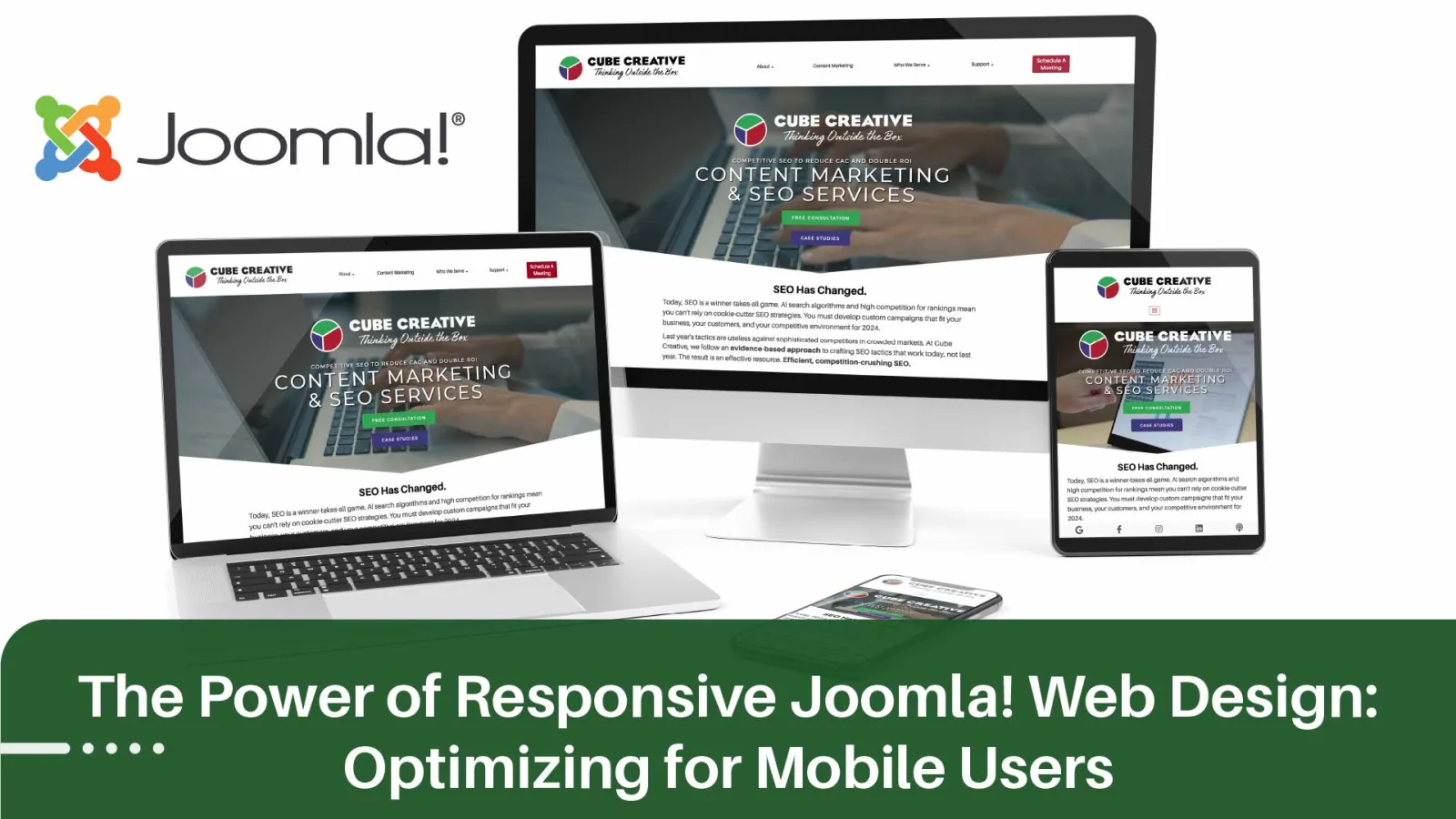
Did you know that over 60% of web traffic comes from mobile devices? Additionally, over 9 out of 10 internet users access the internet using a mobile phone. Therefore, optimizing your website for these types of users is crucial. Mobile-friendly or responsive web design is the de facto standard now. It offers an excellent solution with its ability to adapt a website’s content, layout, and functionality across any screen size. Implementing this type of design using the Joomla! CMS (Joomla) system allows your website numerous advantages. These include improved user experience, enhanced search engine optimization performance, and increased accessibility for viewers in different countries and cultures.
In this blog post, we’ll discuss how adopting responsive web design built with the Joomla! CMS can help mobile users access high-quality small business and private school websites that perform well on their devices.
Written By: Chad J. Treadway | April 08, 2024
Chad is our Chief Smarketing Officer. He will help you survey your small business needs, educating you on your options before suggesting any solution. Chad is passionate about rural marketing in the United States and North Carolina. He also has several certifications through HubSpot to better assist you with your internet and inbound marketing.

In the ever-evolving business landscape, adaptation is key to survival. This is where rebranding comes into play. It's not just about a fresh look; it's about realigning your brand with your audience and goals.
Effective school marketing has become increasingly crucial for attracting new students and recruiting talented staff members in today's ever-evolving educational landscape. With the rise of school choice and the growing competition among educational institutions, school principals need to develop a comprehensive marketing strategy that showcases their school’s unique strengths and value proposition.
By attracting new students, schools can benefit from increased enrollment, which not only brings in additional funding but also fosters a more diverse and dynamic learning environment. Moreover, recruiting highly qualified and passionate educators is vital for maintaining academic excellence and providing students with the best possible learning experience.
This guide aims to provide school principals, administrators, and educational leaders with actionable insights and strategies to effectively market their schools and stand out in a crowded marketplace. We will cover key areas such as defining your school’s identity, building a strong online presence, highlighting your strengths, implementing offline marketing tactics, enhancing student and staff recruitment, measuring and optimizing your efforts, and managing your budget and resources effectively.
By following the strategies outlined in this post, you will be well-equipped to attract more students and staff members, ultimately driving your school's success and growth.
Written By: Adam Bennett | April 03, 2024
Adam is the president and founder of Cube Creative Design and specializes in private school marketing. Since starting the business in 2005, he has created individual relationships with clients in Western North Carolina and across the United States. He places great value on the needs, expectations, and goals of the client.
In today’s digital age, a well-designed website is essential for K-12 private schools looking to attract new students, engage current families, and showcase their unique value proposition. A school’s website serves as a virtual front door, providing prospective parents and students with their first impression of the institution. It is a powerful tool for communicating the school’s mission, values, and educational offerings and fostering a sense of community among current families and alumni.
A well-crafted K-12 private school website can significantly impact student enrollment and parent engagement. Studies have shown that most prospective parents cite the school website as the most valuable source of information during their search process. Furthermore, schools with user-friendly, informative websites experienced an increase in inquiries and applications compared to those with poorly designed or outdated sites.
This comprehensive guide is designed to help private school decision-makers and marketers understand the essential components, best practices, and strategies for creating an effective school website that enhances user experience and engagement. By following the steps outlined in this guide, schools can create a website that attracts prospective families and serves as a valuable resource for current parents and students while prioritizing accessibility, inclusivity, and compliance with web standards.
The guide is structured to take readers through designing and optimizing a school website, from understanding the target audience and defining the school’s brand identity to implementing key components and measuring success. Each section provides detailed insights and actionable tips, making it easy for schools to apply the information to their website projects. Throughout the guide, we will emphasize the importance of creating a website accessible to all users, regardless of their abilities, and provide guidance on complying with web accessibility standards such as Web Content Accessibility Guidelines (WCAG) and Section 508.
While this guide primarily focuses on private school decision-makers and marketers, it also offers valuable information for parent researchers seeking to evaluate and compare school websites during their search process. By understanding the elements that make a school website effective, parents can better assess the quality and fit of a particular institution for their child’s education.
In addition to the core components of effective school website design, we will also explore the role of personalization in enhancing user engagement and conversion rates. By tailoring the website experience to individual users' needs and preferences, schools can create a more compelling and relevant experience for prospective families.
In the following sections, we will dive deeper into each aspect of designing an effective K-12 private school website. I will provide you with the knowledge and tools necessary to create a site that truly reflects your school's unique identity and engages your target audience. Throughout the guide, we will provide real-world examples and case studies of successful K-12 private school websites to illustrate the application of the strategies and best practices discussed.
Written By: Adam Bennett | April 01, 2024
Adam is the president and founder of Cube Creative Design and specializes in private school marketing. Since starting the business in 2005, he has created individual relationships with clients in Western North Carolina and across the United States. He places great value on the needs, expectations, and goals of the client.
In a world where digital media reigns supreme, creating a compelling promotional video for your K-12 private school is not just an advantage—it's a necessity. This is an essential tool in your marketing arsenal, designed to convey the essence of your educational institution to parents, prospective students, and alumni. But how do you craft a video that stands out, communicates your key messages effectively, and resonates with your target audience? Below, we delineate the blueprint for producing a promotional video that captivates and informs.
Written By: Adam Bennett | April 01, 2024
Adam is the president and founder of Cube Creative Design and specializes in private school marketing. Since starting the business in 2005, he has created individual relationships with clients in Western North Carolina and across the United States. He places great value on the needs, expectations, and goals of the client.
In today’s competitive educational landscape, effectively marketing your school to parents is crucial for attracting and retaining students. As a school administrator, educator, or marketing professional, you face the challenge of showcasing your institution’s unique value proposition while addressing parents’ concerns and aspirations. This post will provide you with powerful strategies and actionable insights to help you successfully promote your school and achieve your enrollment goals.
Written By: Adam Bennett | April 01, 2024
Adam is the president and founder of Cube Creative Design and specializes in private school marketing. Since starting the business in 2005, he has created individual relationships with clients in Western North Carolina and across the United States. He places great value on the needs, expectations, and goals of the client.