As pest control companies aim to grow their customer base in an increasingly digital era, paid search advertising has become vital for boosting online visibility. With consumers leaning more on the internet to find local services, a strategic paid search approach connects your business with people right when they search for offerings like yours.
For small pest control operations, paid search done effectively provides a measurable way to drive targeted website traffic, increase lead generation, and convey what makes your services unique. This allows you to reach prospective customers at the critical moments they show initial interest.
This post will guide you through best practices across the paid search landscape specific to the pest control industry. Expect clear explanations around core concepts, step-by-step guidance on technical setup, proven optimization tips, and customization methods.
We’ll also cover the latest trends in the pest control space, where increased demand presents significant growth opportunities for businesses embracing digital channels. With the proper foundation, paid search lets you capture interest and stand out.

Written By: Hannah Kilpatrick | February 20, 2024
Hannah Kilpatrick Cube Creative DesignHannah Kilpatrick graduated from Western Carolina University in 2021 with a Bachelor of Science in Communication with a Minor in Marketing and a Concentration in Public Relations. She has been around social media since its creation. (Meaning, she was in the first grade when Facebook became available to the general public.) As our very own professional Gen-Z, Hannah is a whiz when it comes to social media creation and paid advertising.
As a pest control company owner, manager, or marketing director, you know that maintaining a competitive edge means constantly coming up with new and creative ways to find and keep new customers. You need to get your company's name in front of the people and businesses that need your pest control services, then find a way to convert them into recurring customers.
Let's think about a real-world situation. Say you own Bug Off Pest Control, a small but mighty residential and commercial pest control provider in Charlotte. You may have the best treatments and most knowledgeable techs in the county, but how will homeowners and business owners find you when creepy crawlies start invading their properties? How will you stand out from competitors like your smaller competition or national chains like Terminix and Orkin? This is where strategic digital marketing comes in.
It's well established that when used strategically, the internet can rapidly grow a pest control company's customer base. While printed flyers, door hangers, and traditional advertising have their place for branding purposes, nothing compares with showing up high in the search engine results when a prospect asks, "How do I get rid of spiders?" or "What's the best roach control near me?"
You want your pest control company to dominate the first page of Google when potential customers in your service area start hunting for pest solutions online. The best approach to search engine domination is through search engine optimization (SEO), pay-per-click (PPC) advertising, local service ads (LSAs), or a combination of all three.
This post offers an in-depth analysis of SEO versus PPC to help growing pest control businesses in North Carolina and beyond improve lead generation and boost growth.
Written By: Hannah Kilpatrick | February 20, 2024
Hannah Kilpatrick Cube Creative DesignHannah Kilpatrick graduated from Western Carolina University in 2021 with a Bachelor of Science in Communication with a Minor in Marketing and a Concentration in Public Relations. She has been around social media since its creation. (Meaning, she was in the first grade when Facebook became available to the general public.) As our very own professional Gen-Z, Hannah is a whiz when it comes to social media creation and paid advertising.
Marketing is essential for the growth and sustainability of any pest control business. However, determining the ideal budget to allocate can be confusing. Typically, pest control companies should strive to invest, on average, around 8% of total revenue back into marketing their efforts. Of course, the exact dollar figure will vary depending on current revenue streams and growth goals.
This post examines recommended budgets for pest control marketing based on four business lifecycle stages and some key marketing activities to think about.

Written By: Chad J. Treadway | February 20, 2024
Chad is a Partner and our Chief Smarketing Officer. He will help you survey your small business needs, educating you on your options before suggesting any solution. Chad is passionate about rural marketing in the United States and North Carolina. He also has several certifications through HubSpot to better assist you with your internet and inbound marketing.
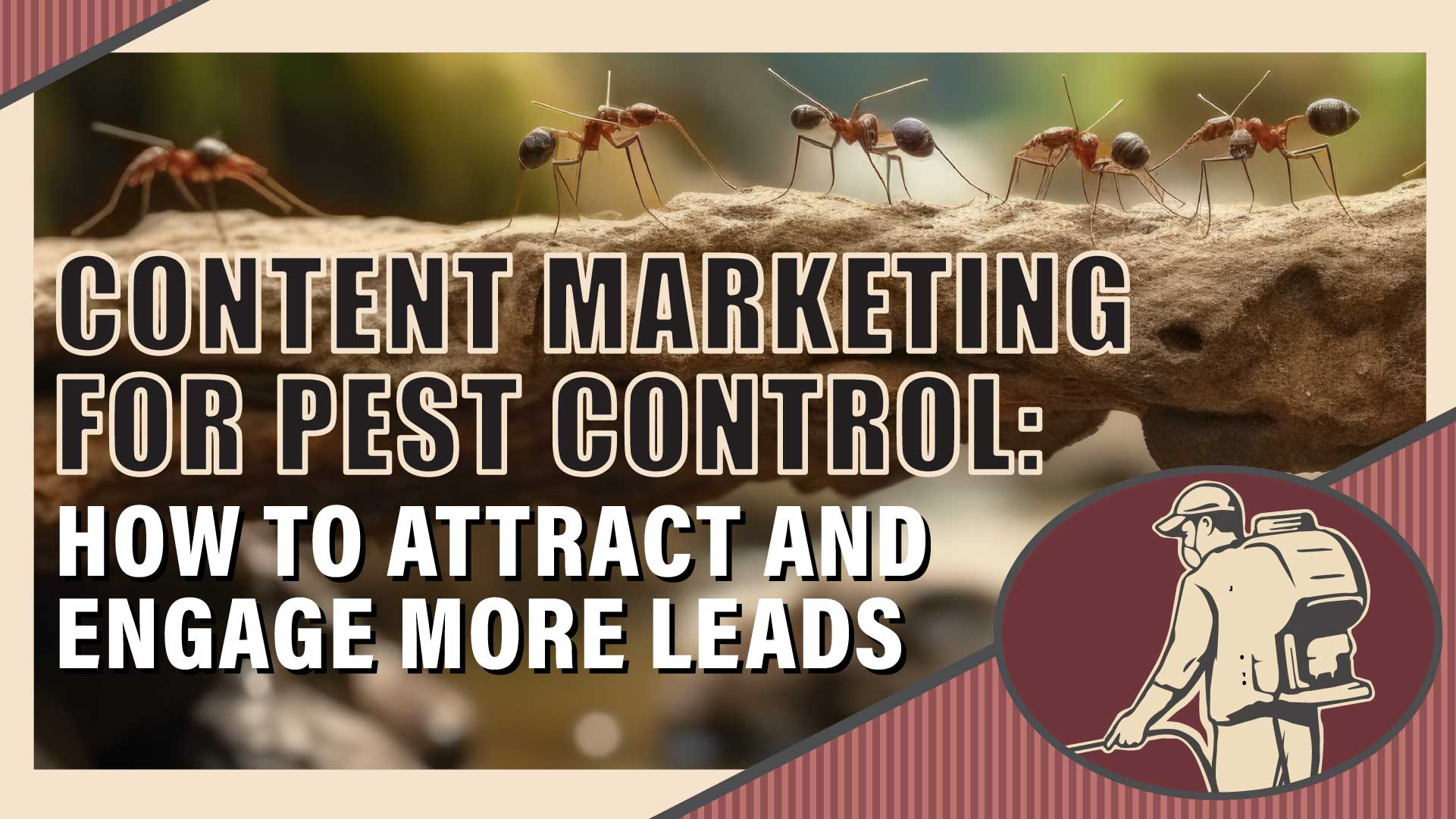
Do you feel like your pest control company's traditional advertisements are falling on deaf ears? Do you cringe every time you add budget to run yet another promotional ad? Are you looking for proven marketing strategies that connect by providing real value instead? If so, you’re not alone.
Yet, in the back of your mind lingers, a frustrating stat: 86% of ads served are completely ignored by consumers.
Surveys reveal that today’s consumers ignore nearly 9 out of 10 display ads served to them daily. Display ads are often made up of images or videos that encourage the user to click through to a landing page and take some sort of action. You see them mostly on a website page's top, bottom, and sides. You also see them scattered throughout the content.
However, most consumers will do everything they can to avoid ads that poured your time and hard-earned money into crafting. Today’s consumers ignore your ads by using ad blockers, paying for ad-free digital media experiences, skipping ads, or ignoring them altogether.
So the million-dollar question is this: How do you get your brand to actually connect with potential customers?"
The answer is simple: use content marketing for your pest control business.
Content marketing presents a unique opportunity to engage potential customers when it matters most when they are actively looking for information along their buyer's journey.
In this post, we'll explore how content marketing works to connect with consumers during their buyer's journey by providing helpful information instead of sales pitches. Through informed educational content marketing, you'll learn key strategies to establish credibility, increase loyalty, and guide pest control purchasing decisions.
Written By: Chad J. Treadway | February 20, 2024
Chad is a Partner and our Chief Smarketing Officer. He will help you survey your small business needs, educating you on your options before suggesting any solution. Chad is passionate about rural marketing in the United States and North Carolina. He also has several certifications through HubSpot to better assist you with your internet and inbound marketing.