
If you’ve heard it once, you’ve probably heard it 1,000 times: Search engine optimization (SEO) is the make or break for any website. Building an online presence is crucial for small businesses serving a local area to attract local clients and stand out from their competition.
Many people, including small business owners like you, sometimes struggle to understand how to optimize their websites to improve their search engine ranking.
For small service area businesses new to SEO, the most important thing to remember is that it's a long-term process, not a quick fix. Achieving top search rankings or even a first-page listing is unlikely to happen overnight or even within a few weeks or months. It's a gradual process that takes time to see real results. However, the payoff in increased local visibility and customer leads makes the effort well worthwhile.
Here's my definition of SEO in 32 words:
Search engine optimization is a set of strategies and practices for improving a website’s visibility and ranking on the search engine results pages (SERPs) and, in turn, increasing organic (non-paid) website traffic.
Search engines, like Google, use complex algorithms to determine the relevance and quality of websites when a user performs a search. SEO involves optimizing various elements of a website, both on-page and off-page, to align with these algorithms and improve the website's chances of appearing higher in search results.
Effective SEO practices require keeping up with search engine algorithm updates, conducting keyword research, analyzing website performance, monitoring competitors, and making continuous improvements to enhance search rankings.
No matter your business or industry, from pest control to construction, SEO is a universal tool to help increase your exposure online, attract targeted organic traffic, and generate more leads. For small service area businesses targeting local customers, SEO is a must to put your business on the map and bring in a steady flow of new business.

Written By: Chad J. Treadway | May 20, 2024
Chad is a Partner and our Chief Smarketing Officer. He will help you survey your small business needs, educating you on your options before suggesting any solution. Chad is passionate about rural marketing in the United States and North Carolina. He also has several certifications through HubSpot to better assist you with your internet and inbound marketing.
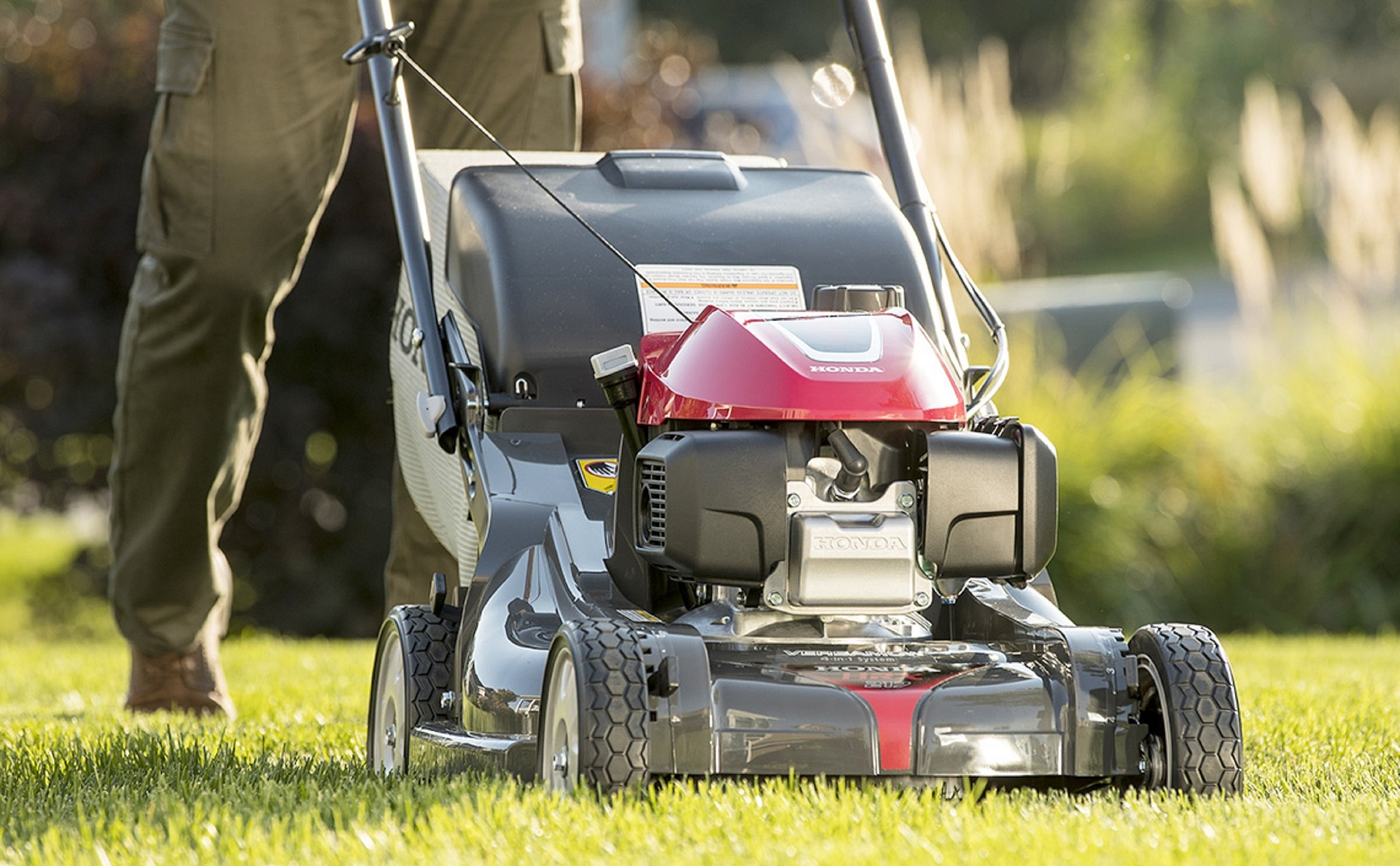
Creating irresistible lawn care packages and building a solid business takes more effort than merely running a mower over a grassy yard. Reliable equipment, dedicated employees, lawn care expertise, and dedication to customer satisfaction all play a part in the process.
Build a strong brand with lawn care packages for every type of client. It all starts with being in the right place at the right time.
Timing
Spring and summer are key seasons for mowing, trimming, weeding, feeding, and watering grass, flowerbeds, and shrubbery. But the best time to start increasing your client list is during the fall and winter — before the work begins. Still, you must continue to stay in the game, because competitors are out trying to drum up new clients.
Visibility
In today’s online world, it’s easy to get lost in the abundance of digital advertising and social media. Popular sites like Facebook, Instagram, and X (Twitter) provide customer opportunities to follow and “like” your pages, which creates a familiar connection for your customers. Content marketing and website design helps your business create updated, active digital content — a perfect way to advertise your business.
Paper Viability
Don’t underestimate or discard the “old-fashioned” way of advertising — paper fliers, newspaper inserts, mailers, yard signage, and coupons. Radio ads, billboards, and neighborhood word-of-mouth play a role, too. These advertising methods continue to catch the interest of would-be customers.
Thank you notes and holiday cards are a nice touch, and they reinforce your company’s name and branding. Best of all, reaffirming correspondence is a good way to suggest other products and services available. Upselling is a sales strategy that pushes customers to buy a higher level of product or service.
Residential Lawn Care Packages
Mowing a residential property lawn is essentially a basic DIY project for homeowners. Create a summer lawn care package that not only has your employees cutting the grass, but also weeding, fertilizing, aerating, leaf blowing, grass mulching, edging, and dethatching. Your package has to be so attractive that it’s worth the client paying for you to do it rather than doing it themselves.
Proposing several services to potential clients as a bundle deal may make it more attractive. For example, if the home is located in one of the ”roachiest” cities in America, having an exterminator on board is a great way to sweeten the pot!
Business Lawn Care Packages
Starting a lawn care company that serves business customers takes smarts, vision, determination and a financial stake. Prepare to invest in zero turn mowers (and trailers to haul them), push cutters, string trimmers, leaf blowers, edgers, and a host of other things.
Cut corners where you can, but not on lawn equipment! High quality mowers lead to better looking lawns. Customers will take note of scraggly grass and leftover clippings.
As with residential packages, your business clients’ properties have grassy areas that need weeding, fertilizing, watering, and edging. Be sure to note the property size, number of employees and their pay, equipment needed, and gasoline (or battery consumption) when developing a financial proposal for offering these services.
Show Your Expertise
Mowing a lawn is easy enough for most people. But when hiring a lawn care company, they want a little more bang for the buck. Impress your customers with what you know about grass — study the soil, plant varieties, and why weedy and brown patches occur. Offer options for treating dead spots and clover spreads. Learn how to care for the lawn without harming pollinators and beneficial insects.
For each mowing crew, choose leaders who are knowledgeable, polite, and well-spoken — he or she is a point of contact for your client.
Convincing homeowners and avid DIYers to spend money on lawn services is a challenge, so you have to be crafty, complete, and competitive. Small business content marketing is a key to creating an eye-catching package with all the essentials of lawn care (and a few extras, too). Devise a transparent pricing schedule that offers a better deal than other companies. Most of all, follow up on promises with good customer service.
Cover Image by Louiesharpe from Pixabay
Are you tired of seeing your pest control company struggle to attract new customers and generate leads online? Do you feel like your website is lost in the vast sea of search results, failing to capture the attention of potential customers? If you’re nodding your yes head in frustration, you’re not alone. Many pest control companies face similar challenges when it comes to digital marketing.
In today’s digital age, online digital marketing has emerged as a powerful tool for pest control companies to expand their reach, connect with property owners, and drive growth. This dynamic field encompasses a variety of strategies and techniques designed to enhance brand visibility, engage target audiences, and generate meaningful results. From content marketing to search engine optimization (SEO), social media marketing (SMM), and more, pest control companies have a plethora of tools at their disposal to navigate the digital landscape successfully.
This blog post aims to delve into the process and strategies of online digital marketing while shedding light on its positive aspects and potential considerations. We will explore key elements such as content marketing, SEO, pay-per-click advertising (PPC), search engine marketing (SEM), social media marketing (SMM), email marketing, affiliate marketing, mobile marketing, and influencer marketing. Additionally, we will discuss the positive aspects that make digital marketing an attractive avenue for pest control companies, including wide reach, targeted advertising, cost-effectiveness, measurable results, enhanced customer engagement, flexibility, brand building, and diverse marketing options.
While digital marketing offers numerous advantages, it is crucial to acknowledge the potential negative aspects. Pest control companies must effectively navigate privacy concerns, ad blindness, information overload, increased competition, technical challenges, and negative feedback.
By understanding the strategies, positive aspects, and considerations of online digital marketing, pest control companies can leverage the power of digital channels to grow their brand, connect with customers, and achieve their business goals. Let’s embark on this journey into online digital marketing and unlock its potential for your pest control company.
Written By: Chad J. Treadway | May 15, 2024
Chad is a Partner and our Chief Smarketing Officer. He will help you survey your small business needs, educating you on your options before suggesting any solution. Chad is passionate about rural marketing in the United States and North Carolina. He also has several certifications through HubSpot to better assist you with your internet and inbound marketing.
In today's digital age, a well-designed website is a crucial tool for K-12 private schools looking to attract prospective families, engage current students and parents, and build a strong brand reputation. Your school's website serves as the virtual front door, offering visitors a glimpse into your institution's unique value proposition, academic programs, and community culture.
This ultimate guide is designed to help you create a compelling and effective online presence that drives enrollment, fosters engagement, and positions your school for long-term success. We'll cover essential topics such as:
- Understanding your target audience and creating user personas
- Defining your school's brand identity and messaging
- Key components of an effective K-12 school website
- Best practices for user experience (UX) and user interface (UI) design
- Ensuring website security and protecting sensitive data
- Strategies for driving traffic, engagement, and conversions
- Measuring success and continuously improving your website
By the end of this guide, you'll have a comprehensive understanding of how to build a website that not only looks great but also effectively communicates your school's unique value proposition and drives meaningful results. Whether you're revamping an existing website or starting from scratch, this guide will provide you with the insights and actionable strategies needed to create a thriving online presence for your K-12 private school.

Written By: Adam Bennett | May 15, 2024
Adam is the president and founder of Cube Creative Design and specializes in private school marketing. Since starting the business in 2005, he has created individual relationships with clients in Western North Carolina and across the United States. He places great value on the needs, expectations, and goals of the client.