In today's digital landscape, having a website is essential for schools, businesses, and individuals alike. Popular website builders like Wix, Squarespace, and GoDaddy make it easy for anyone to create a professional-looking site without coding knowledge. But there's an important question that often gets overlooked: How accessible are these platforms for users with disabilities?
Web accessibility ensures that people with visual, auditory, physical, or cognitive disabilities can navigate and interact with your website. Beyond being an ethical consideration, accessibility is increasingly becoming a legal requirement under laws like the Americans with Disabilities Act (ADA).
Let's examine how the top website builders stack up in terms of accessibility and what you need to know if you're using one of these platforms.

Written By: Adam Bennett | June 02, 2025
Adam is the president and founder of Cube Creative Design and specializes in private school marketing. Since starting the business in 2005, he has created individual relationships with clients in Western North Carolina and across the United States. He places great value on the needs, expectations, and goals of the client.
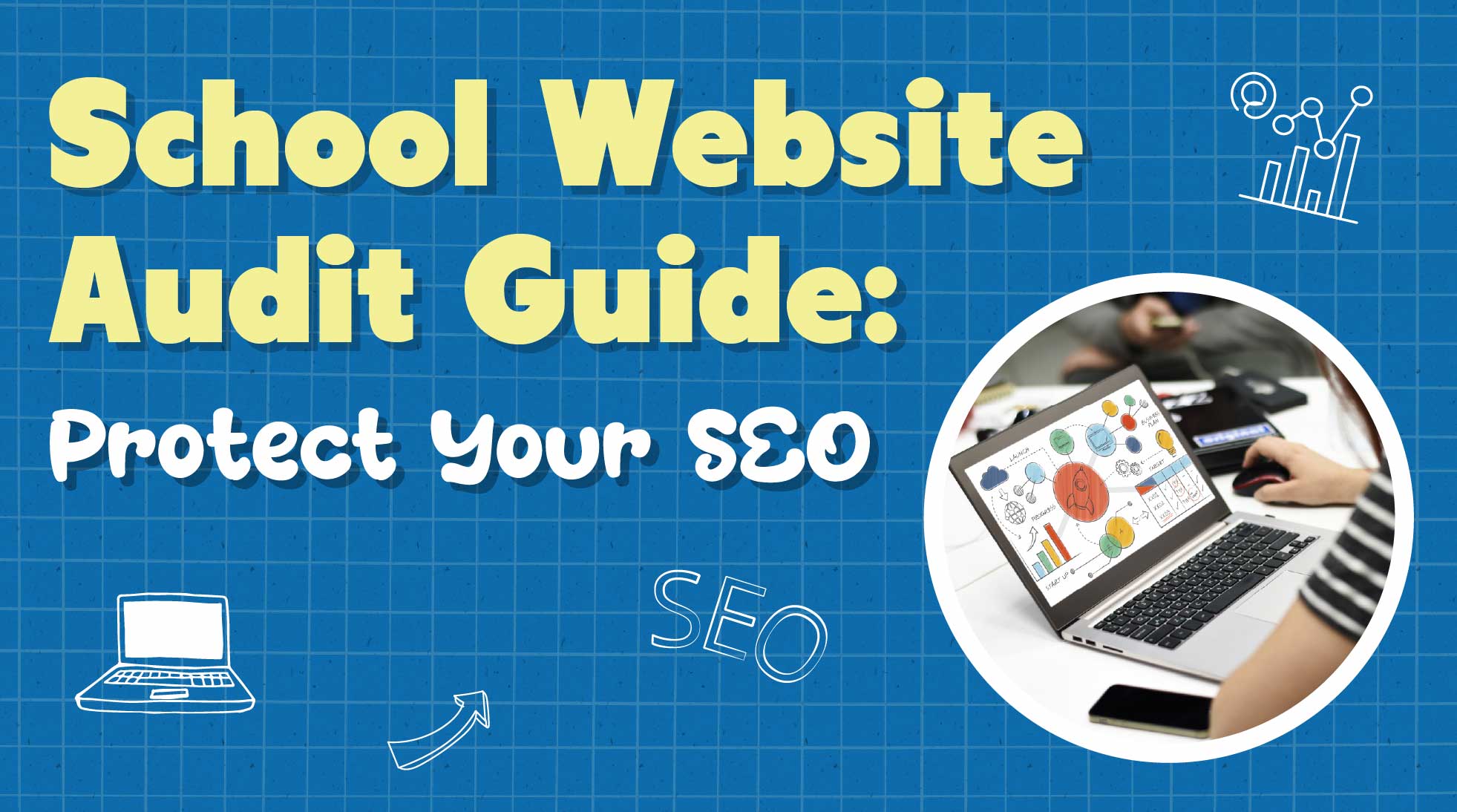
Remember the good old days when parents chose schools based solely on reputation and a brochure with suspiciously happy stock photos? Well, those days are long gone. It only takes 0.05 seconds for users to form an opinion of a website, and with over 9 out of 10 parents researching schools online, your website has essentially become your digital front door.
Summer break presents the perfect opportunity to give your school website the attention it deserves. While students are away enjoying their vacation, your digital presence continues working 24/7 as the primary connection point for prospective families, current parents, and your broader community.
This comprehensive audit checklist will help K-12 school administrators, marketers, and IT professionals identify critical improvements to enhance usability, accessibility, and performance. Consider this your roadmap to creating a website that not only meets technical standards but actually serves your community's needs—because nothing says "we care about education" quite like a website that actually works.
By the end of this article, you'll have a detailed, actionable guide to transform your school's digital presence before the new academic year begins. Let's make this the summer your website graduates from "barely functional" to "head of the class."
Written By: Adam Bennett | June 02, 2025
Adam is the president and founder of Cube Creative Design and specializes in private school marketing. Since starting the business in 2005, he has created individual relationships with clients in Western North Carolina and across the United States. He places great value on the needs, expectations, and goals of the client.

Let's be honest – those alumni of yours aren't just former students with fond memories and potentially deep pockets. They're walking, talking billboards for your school's success. The problem? Most private schools treat alumni relations like that awkward cousin at family reunions – acknowledged but rarely engaged in meaningful conversation.
Time to change that narrative. Your alumni are arguably your most valuable marketing asset – living proof that your educational approach works. So, why are so many schools struggling to keep these golden geese engaged? Probably because planning and marketing alumni events requires more strategy than sending out a "Hey, remember us?" email once a year.
Written By: Adam Bennett | May 28, 2025
Adam is the president and founder of Cube Creative Design and specializes in private school marketing. Since starting the business in 2005, he has created individual relationships with clients in Western North Carolina and across the United States. He places great value on the needs, expectations, and goals of the client.

Let's face it – your alumni are walking, talking advertisements for your school. They've lived the experience you're selling to prospective families, and unlike your beautifully designed viewbook, they can answer the question, "But what's it really like there?" with hard-earned authenticity.
Yet, according to recent research, 90% of alumni professionals admit they do a "poor job" or "need to do more" to engage their young alumni. (Source: Alumniaccess) That's like owning a Ferrari and letting it collect dust in your garage while you take the bus to work.
Alumni ambassador programs represent one of the most underutilized weapons in a private school's marketing arsenal. Done right, they create a powerful network of advocates who can influence prospective families, mentor current students, and even boost your fundraising efforts. Let's explore how to build and maintain an alumni ambassador program that delivers real results.
Written By: Adam Bennett | May 26, 2025
Adam is the president and founder of Cube Creative Design and specializes in private school marketing. Since starting the business in 2005, he has created individual relationships with clients in Western North Carolina and across the United States. He places great value on the needs, expectations, and goals of the client.