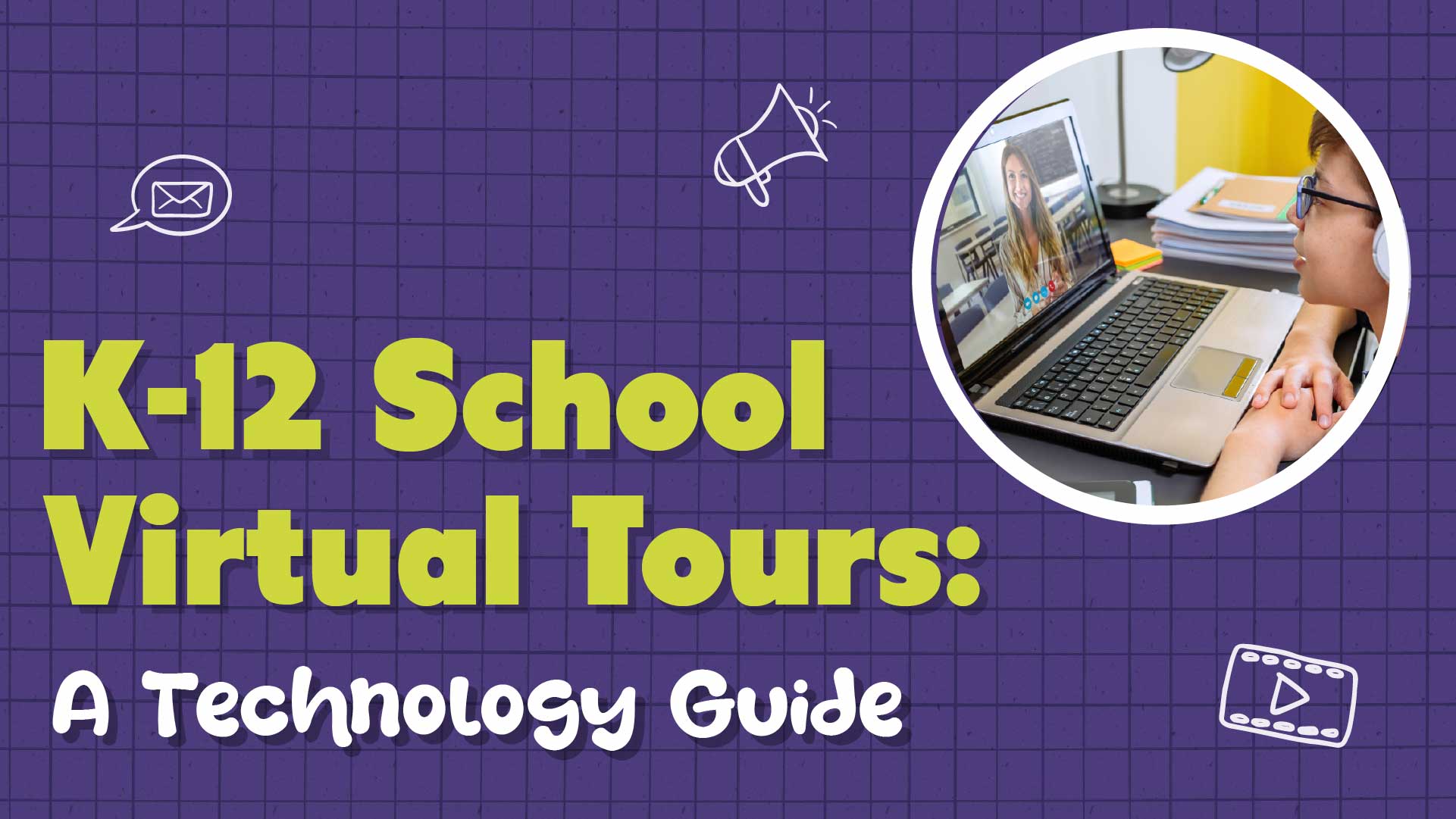
Let's face it - in today's digital-first world, if prospective families can't find you online, you might as well be invisible. And no, that dusty photo gallery from 2018 isn't cutting it anymore.
According to recent research by International School Parent, 70% of parents say they would use virtual tours to research schools, with 60% considering virtual tours as a viable alternative to in-person visits. More tellingly, schools that implemented professional virtual tours saw a 20% increase in website traffic and a 10% increase in inquiries.
The virtual tour landscape has transformed dramatically, with the global virtual tour market expected to grow from $1,219.1 million in 2023 to approximately $15,923.0 million by 2034, with a remarkable CAGR of 29.3% during the forecast period from 2025 to 2034. (Source: Market.us) While virtual college tours have increased by 258%, K-12 private schools are now following this trend with their own implementations.
In this guide, we'll walk through everything your K-12 private school needs to know about creating virtual tours that don't just showcase your campus but actively convert interested prospects into enrolled students. From the technical nuts and bolts to implementation strategies and ROI measurement, consider this your comprehensive roadmap.

Written By: Adam Bennett | June 06, 2025
Adam is the president and founder of Cube Creative Design and specializes in private school marketing. Since starting the business in 2005, he has created individual relationships with clients in Western North Carolina and across the United States. He places great value on the needs, expectations, and goals of the client.
Let's face it—if the pandemic taught us anything, it's that adaptation isn't just helpful, it's essential. And while we all initially groaned at the thought of another Zoom meeting, hybrid events have evolved from a necessary evil to a powerful opportunity for private schools to expand their reach, enhance parent engagement, and showcase their technological prowess.
The data speaks for itself: recent polling reveals that 72% of parents are considering new school options, with 49% preferring their child learn at home at least one day a week. For K-12 private schools, this shift in parent expectations extends beyond just classroom learning to school events and activities. Parents now expect the flexibility and accessibility of hybrid options for everything from parent-teacher conferences to school performances.
The transition to hybrid events isn't just about keeping up with the times—it's about leveraging a powerful tool to differentiate your school in an increasingly competitive educational marketplace. When done right, hybrid events can:
- Increase attendance and participation from busy parents who might otherwise miss out
- Create meaningful engagement opportunities for distant family members (grandparents, etc.)
- Showcase your school's commitment to innovative educational approaches
- Build a stronger, more connected school community across physical boundaries
- Provide valuable content that can be repurposed for marketing and recruitment
But let's be honest—many schools rushed into hybrid events without proper planning during the pandemic, resulting in awkward experiences that felt like poor substitutes for in-person gatherings. The good news? We've learned a lot since those early days, and this guide will help you create hybrid events that aren't just adequate alternatives but genuinely enhanced experiences for everyone involved.
Written By: Adam Bennett | June 06, 2025
Adam is the president and founder of Cube Creative Design and specializes in private school marketing. Since starting the business in 2005, he has created individual relationships with clients in Western North Carolina and across the United States. He places great value on the needs, expectations, and goals of the client.
You walk confidently into the boardroom, armed with a meticulously prepared digital marketing proposal. Twenty minutes later, you walk out deflated, your innovative ideas rejected before they could even take flight. What went wrong? Despite your marketing expertise, you failed to bridge a critical communication gap – you spoke the language of marketing while the board spoke the language of educational outcomes and fiscal responsibility.
This scenario plays out in private schools across the country every day. While marketing professionals understand the potential of digital strategies, school boards and administrators often view these initiatives through an entirely different lens. Cato Institute reports that "46% of private schools saw an increase in enrollment from 2022-2023 to 2023-2024," showing a trend of parents seeking alternative education options, particularly since COVID-19.
According to Fairfield Market Research, "Global K-12 private education market is expected to witness a significant surge, jumping from US$7.5 Bn in 2022 to US$12.7 Bn in 2030," with a CAGR of 7.9% between 2023 and 2030. Again, this demonstrates the increasing importance of effective marketing for private schools.
This guide provides a practical framework for translating digital marketing metrics into educational outcomes that resonate with decision-makers, helping you secure approval for initiatives that can transform your school's enrollment and community engagement.
Written By: Adam Bennett | June 06, 2025
Adam is the president and founder of Cube Creative Design and specializes in private school marketing. Since starting the business in 2005, he has created individual relationships with clients in Western North Carolina and across the United States. He places great value on the needs, expectations, and goals of the client.
Let's face it – your private school needs students, but your marketing budget looks more like pocket change than a war chest. You're not alone. While competition for students intensifies, professional marketers recommend that private K-12 schools allocate between 2-12% of their annual revenue to marketing (Source: National Association of Independent Schools [NAIS]), though many smaller institutions must accomplish their enrollment goals with far less. According to the NAIS Report, private schools typically operate with small marketing teams, with nearly 90% of schools reporting marketing teams of three or fewer full-time employees. This is why having a structured marketing plan is even more essential for educational institutions.
But here's the good news: budget constraints don't have to mean enrollment constraints. In fact, some of the most effective enrollment marketing happens when creativity fills the gap left by cash. Although a small budget of just $1,000 is unlikely to net even one new student, strategic implementation of the right tactics can deliver strong results.
This guide will walk you through creating a focused 90-day enrollment marketing plan that maximizes every dollar. We'll cover everything from setting clear goals to measuring your success, providing actionable strategies that work even when resources are tight. And yes, there will be a downloadable template at the end to help you implement everything you learn.
Ready to turn your shoestring budget into a student-attracting machine? Let's dive in.
Written By: Adam Bennett | June 04, 2025
Adam is the president and founder of Cube Creative Design and specializes in private school marketing. Since starting the business in 2005, he has created individual relationships with clients in Western North Carolina and across the United States. He places great value on the needs, expectations, and goals of the client.