
With the integration of AI, or artificial intelligence, the relationship between brands and influencers has reached a new height. AI has brought a new perspective to influencer marketing by evaluating customer behavior.
For this reason, 63% of businesses want to use artificial intelligence in their influencer campaigns. They know it can grow awareness and connect businesses to the right audience. The use of AI influencers is also increasing because it comes up with opportunities while reducing challenges.
But what are the other primary roles of artificial intelligence in influencer marketing? How does it help create different effective strategies? Let's find that here!
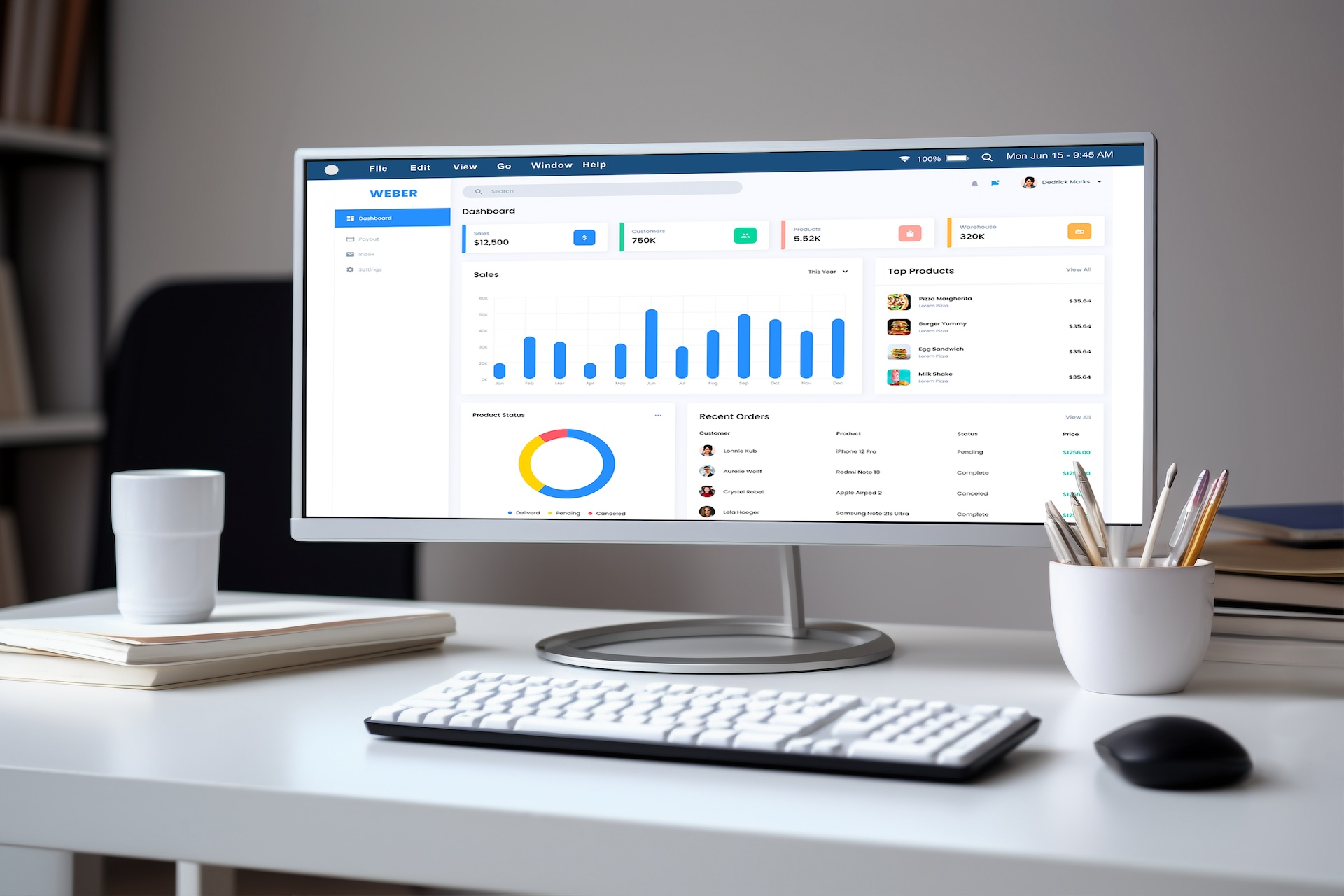
Since the early 90s, digital marketing has been a way to reach the largest markets on Earth. Since then, it has developed into the single most powerful tool that merchants of any stripe can benefit from. At its inception, digital marketing was simply a way to become accessible to customer bases of a global scope. Leveraged on digital channels like social media, search engines, websites, text messaging, and email, digital marketing is the single most powerful brand awareness generator on the planet.
If this topic is new to you, you may be asking what digital marketing can do for you and how to make the most of it. For this and more, read on.
When you think about advertising on Facebook, you might picture a few simple, targeted ads popping up in your news feed. But behind the scenes, there's a powerful force at work: artificial intelligence. AI isn't just a buzzword; it's transforming the way ads are targeted and delivered, making campaigns more efficient and effective. Imagine being able to reach exactly the right audience with the perfect message, all thanks to cutting-edge technology. This blog will dive into how Facebook uses AI to enhance ad targeting, the tools available to you, and the advanced techniques that can take your advertising game to the next level. Let's explore how you can harness this technology to maximize your advertising success.

A successful digital marketing strategy can reach and resonate with customers through various touchpoints and channels.
But this is rarely an easy feat. According to McKinsey, 71% of customers expect brands to offer personalized experiences. So, it’s clear that consumers want and expect more from companies.
To get a complete picture of what your target audience wants, you need data. That’s where analytics in digital marketing comes in — to help you uncover key insights into your potential customers’ behaviors, preferences, needs, wants, pain points, and motivations.