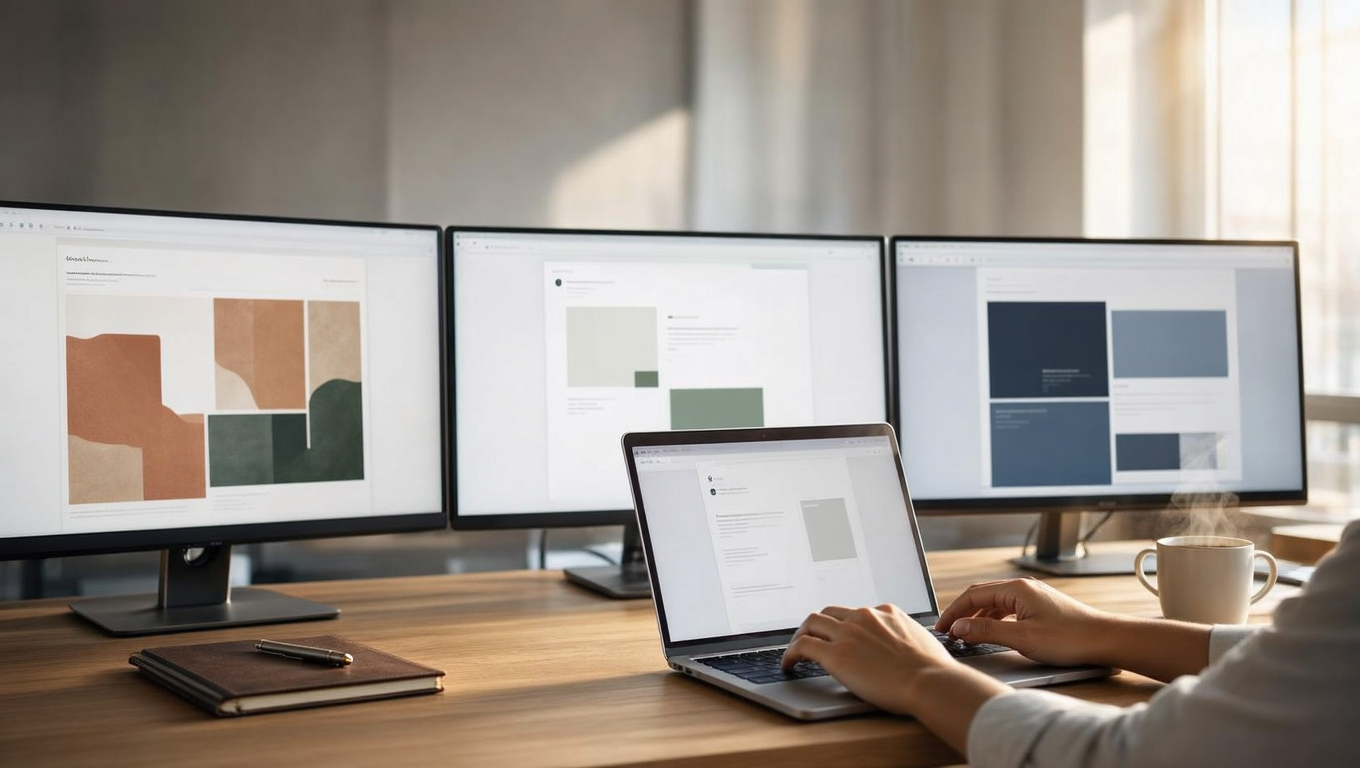
Why do some PPC campaigns generate significantly more conversions than others with identical budgets and targeting? The answer isn't better keywords or smarter bidding strategies. It's the seamless marriage between compelling ad copy and exceptional landing page design.
Nearly 5 out of 10 PPC visitors are more likely to purchase than organic visitors, and just over 4 out of 10 clicks go to the first three paid ad positions. This makes the quality of your landing page experience critical for capitalizing on high-intent traffic.
Too many businesses lose substantial PPC traffic due to poor ad-to-landing page alignment. That's like paying for premium billboard space on a highway, then directing drivers to a construction zone instead of your storefront.
The stakes are particularly high considering that cost-per-click continues to rise across industries. Small and medium-sized businesses typically invest $9,000 to $10,000 annually on PPC ads, and some spend up to $120,000 per year, so every wasted click represents real money down the drain. Getting the design-ad relationship right isn't just about better conversion rates—it's about survival in an increasingly competitive digital advertising landscape.

Scroll through a newsfeed and you’ll notice a pattern: the eye captures the page in one sweep, then drills down. The entire block of text is judged for coherence before any single word receives attention. That first sweep is where your credibility is won or lost. A good standard to apply to your writing is to remember that it should form a clear, uncomplicated shape; stray marks—an orphaned clause, a dangling modifier—break the outline and jar the reader out of the flow.
A brand’s voice faces the same challenge. A quick product update from an iOS push notification must feel related to the 40-page report compiled on a Mac. Cohesive signals across channels tell customers they are dealing with one mind, not a committee.

Did you know that a lack of technical expertise is one of the biggest things holding small businesses back? According to PayPal’s 2024 Business of Change report, 59% of small business owners say it’s a major barrier to growth. And it shows, nearly half of Canadian online small businesses haven’t grown at all over the past three years.
But here’s the good news: building technical skills doesn’t have to be overwhelming. Yes, it takes some time and effort, but if it’s the one thing standing between you and growth, isn’t it worth exploring?
One of the simplest and most effective ways to start? Link building for small businesses. It helps drive organic traffic, boost your credibility, and improve visibility without blowing your marketing budget. In this article, we’ll explore how link building services for small businesses support growth and share 10 tactics especially tailored to smaller companies.
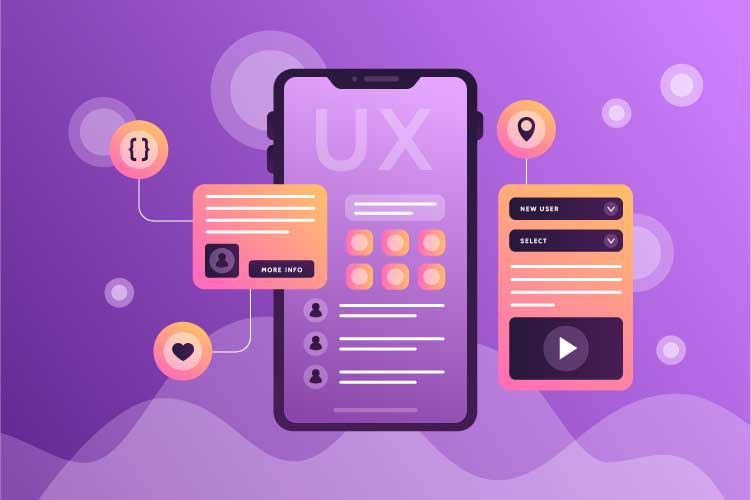
Website UX design directly influences web visitors' on-site behavior. It affects bounce rates, time on page, conversion rates, average order value, and even customer loyalty.
Yet, the thing is that targeting specialized niches often involves specific UX challenges. Unlike run-of-the-mill e-commerce and content pages, niche websites require you to go above and beyond in explaining the value of your offer. Plus, it's often crucial that you present your prospects with an enjoyable (and sales-inspiring) browsing experience, especially if your sales cycle runs long.
Fortunately, there are several UX design strategies you can employ to overcome these common UX challenges.
So, if you're looking to design a standout website UX for specialized niches, here's how to do it, along with a few great examples you can take inspiration from.