If you've talked to any advertising rep lately, you've probably heard the pitch for geofencing. Draw a virtual fence around your competitor's location. Serve ads to everyone who walks inside. Watch the customers roll in. It sounds almost too good to be true. And depending on your business, it might be.
Geofencing can be a powerful tool for the right business. But for others, it's an expensive way to generate impressions that never turn into customers. The difference comes down to one thing: how your customers actually make buying decisions.
What Is Geofencing, Really?
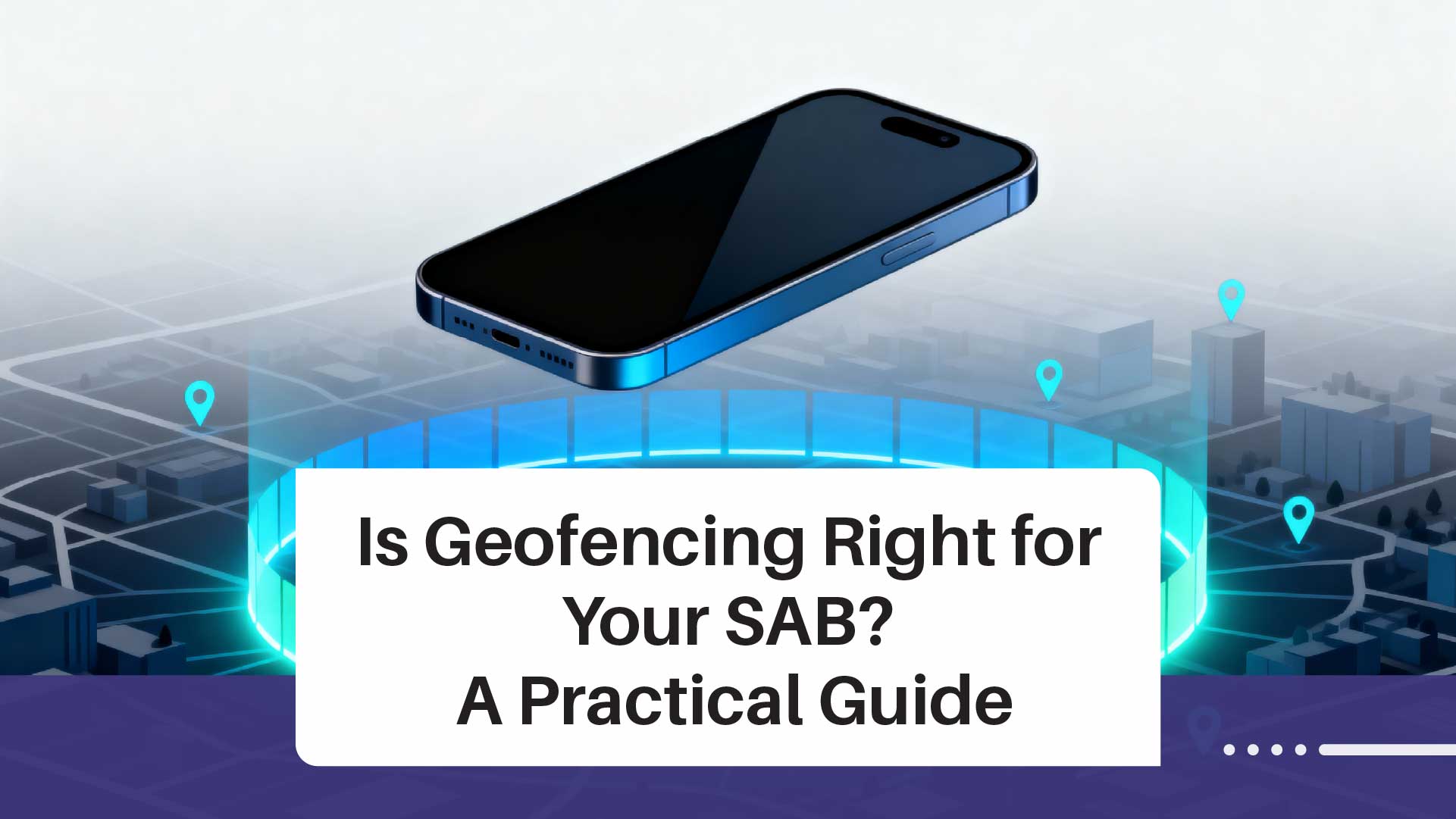
Geofencing creates a virtual boundary around a physical location. When someone's phone enters that boundary, their device ID gets captured. For the next few days or weeks, that person sees your display ads while browsing apps, checking the weather, or playing games on their phone.
The technology runs through programmatic ad exchanges and demand-side platforms, not through Google Ads or Meta. Your ads appear as banners in mobile apps, interstitials between game levels, and native placements on mobile websites.
Where Geofencing Actually Works
Geofencing shines in industries where purchase decisions are spontaneous and location-dependent. The numbers back this up: geofenced audiences see an average click-through rate of 7.5% compared to 0.9% for standard Facebook ads. Retailers using geofencing report a 30% lift in app engagement, and 82% of marketers say it effectively increases foot traffic.
Restaurants and Quick-Service Dining
Someone driving past your restaurant at 6 PM is a high-intent prospect. They're already thinking about dinner. A well-timed ad can tip the decision in your favor. Geofencing competitor restaurants or nearby entertainment venues catches people in the exact moment they're making dining choices.
Retail Stores
Shoppers near a mall or competitor store are already in buying mode. An ad for a sale or special offer can redirect that foot traffic. The average redemption rate for geofencing offers hits 18% in retail settings.
Entertainment and Events
Concerts, sporting events, and festivals create perfect geofencing opportunities. Everyone in that location shares a common interest. A comedy club geofencing a concert venue or a sports bar targeting stadium crowds reaches people who are already out and looking for their next activity.
Car Dealerships
Geofencing competitor dealerships catches shoppers actively in the market. Someone walking a competitor's lot is clearly considering a purchase. Following up with ads over the next few weeks keeps your dealership in the conversation during that extended decision process.
Hotels and Tourism
Travelers arriving at airports or visiting tourist attractions are making real-time decisions about where to stay, eat, and visit next. Geofencing these locations catches them during the planning window.
The Common Thread
Notice what these industries share: the purchase decision happens quickly, location matters, and the customer is already in a buying mindset. When someone walks into a mall, they're shopping. When someone pulls into a restaurant parking lot, they're hungry. Geofencing catches people at the exact moment they're ready to act.
Where Geofencing Falls Short
Geofencing struggles in industries where purchase decisions are need-based, research-driven, or spread over time. The technology can still capture impressions, but those impressions rarely convert because the customer's buying psychology doesn't match what geofencing offers.
Service-Based Home Businesses
People don't call a plumber because they saw a banner ad while walking past a competitor's office. They call because their toilet is flooding. The purchase trigger is an immediate need, not location. By the time they're searching for help, they're on Google, not scrolling through a weather app. The intent moment happens at home during the emergency, not while passing a service truck.
Pest Control
Similar to other home services, pest control purchases happen when someone sees a cockroach in their kitchen or notices termite damage. They don't switch pest control providers because they drove past a competitor's building. You could geofence every pest control office in town, but the people captured aren't in buying mode. They're just commuting.
Private Schools
School enrollment decisions take months, not moments. Parents research extensively, visit multiple campuses, compare tuition costs, and talk to other families. Geofencing a competitor school's open house might generate impressions, but a banner ad won't influence a decision this significant. The research process happens at home on laptops, not on phone apps between school tours.
Professional Services
Lawyers, accountants, and financial advisors face the same challenge. These are high-trust, high-research decisions. Nobody retains an attorney because they saw an ad while near a competitor's office. They ask colleagues for referrals and read reviews. The decision process doesn't align with location-based triggers.
The Real Cost Comparison
Geofencing typically costs $5.40 per click for location-based audiences compared to $1.68 for standard digital ads. That premium only makes sense when you're capturing high-intent customers at the point of decision.
For a restaurant, paying more to reach someone who's hungry and nearby is worth it. For a pest control company, paying three times the cost to reach someone who might need service someday isn't a good trade.
Consider where that money could go instead. A pest control company spending $3,000 monthly on geofencing could invest that same budget in Google Ads targeting people actively searching for "pest control near me." Those searchers have an immediate need and are ready to hire. The geofenced audience is just people who happened to drive past a building.
Questions to Ask Before Investing
Before signing up for a geofencing campaign, ask yourself these questions:
Do your customers make quick decisions based on location? If someone needs to see your business while they're nearby to consider purchasing, geofencing might work.
Is your purchase trigger need-based or spontaneous? Need-based purchases (broken pipes, pest infestations, legal problems) happen regardless of location. Spontaneous purchases (dinner plans, retail shopping) are influenced by where someone is at that moment.
How long is your sales cycle? Same-day decisions favor geofencing. Multi-week or multi-month decisions need nurturing strategies that geofencing can't provide.
Can you track attribution? Restaurants can see if foot traffic increased. Professional services often can't connect a display impression to a signed contract three months later.
The Bottom Line
Geofencing is a legitimate advertising tool with proven results in the right context. Restaurants, retailers, entertainment venues, and car dealerships can see real returns because their customer's buying psychology matches what geofencing delivers.
But for service-based businesses, schools, and professional services, the technology solves a problem that doesn't exist. Your customers aren't making decisions based on location. They're making decisions based on need, research, and trust. Your marketing dollars should meet them where those decisions actually happen.
The next time someone pitches you on geofencing, don't ask if the technology works. Ask if it matches how your customers actually buy.
Frequently Asked Questions About Geofencing
What is geofencing?
Geofencing creates a virtual boundary around a physical location. When someone's phone enters that boundary, their device ID gets captured. For the next few days or weeks, that person sees your display ads while using apps on their phone.
Where do geofencing ads actually appear?
Your ads show up as banners in mobile apps, between game levels, on weather apps, and on mobile websites. They run through programmatic ad exchanges, not through Google Ads or Meta.
How much does geofencing cost?
Geofencing typically runs about $5.40 per click compared to $1.68 for standard digital ads. Most campaigns cost between $1,500 and $3,000 per month.
What industries see the best results from geofencing?
Restaurants, retail stores, car dealerships, entertainment venues, and hotels tend to see the best returns. These businesses share a common trait: their customers make quick decisions based on where they are at that moment.
Why doesn't geofencing work well for service businesses?
Service businesses like plumbers, pest control companies, and HVAC contractors get calls when customers have an immediate need - a flooded basement or a pest problem. That need happens at home, not while driving past a competitor's office. Geofencing captures people based on location, but these customers buy based on urgency.
Can geofencing help private schools with enrollment?
Generally, no. School enrollment decisions take months and involve extensive research, campus visits, and family discussions. A banner ad won't influence a decision this significant. The research happens at home on laptops, not on phone apps, between school tours.
How do I know if geofencing is right for my business?
Ask yourself three questions: Do customers make quick decisions based on location? Is the purchase spontaneous or need-based? Can you track whether the ads actually drove business? If your customers research for weeks before buying, geofencing probably isn't the right fit.
What should I spend my money on instead?
For need-based businesses, Google Ads targeting people actively searching for your service typically delivers better results. Someone searching "pest control near me" has an immediate need and is ready to hire. That intent is worth more than reaching someone who happened to drive past a building.
Is geofencing a scam?
No. Geofencing is a legitimate technology with proven results in the right context. The problem isn't the technology - it's using it for businesses where customer buying behavior doesn't match what geofencing offers.