Ever feel like finding skilled technicians is harder than finding a leak in a mile-long pipe? You're not alone. Across the home services industry, from plumbing to HVAC, roofing to landscaping, businesses are facing a serious shortage of skilled professionals. And while the demand for home services keeps climbing faster than a roofer on a hot summer day, the supply of qualified technicians isn't keeping pace.
But here's the thing: waiting for perfect candidates to fall into your lap is about as effective as trying to fix a leak with a paper towel. Smart home service business owners are taking matters into their own hands by developing in-house training programs. Think of it as growing your own garden of skilled professionals instead of hoping to find the perfect plants at the store.
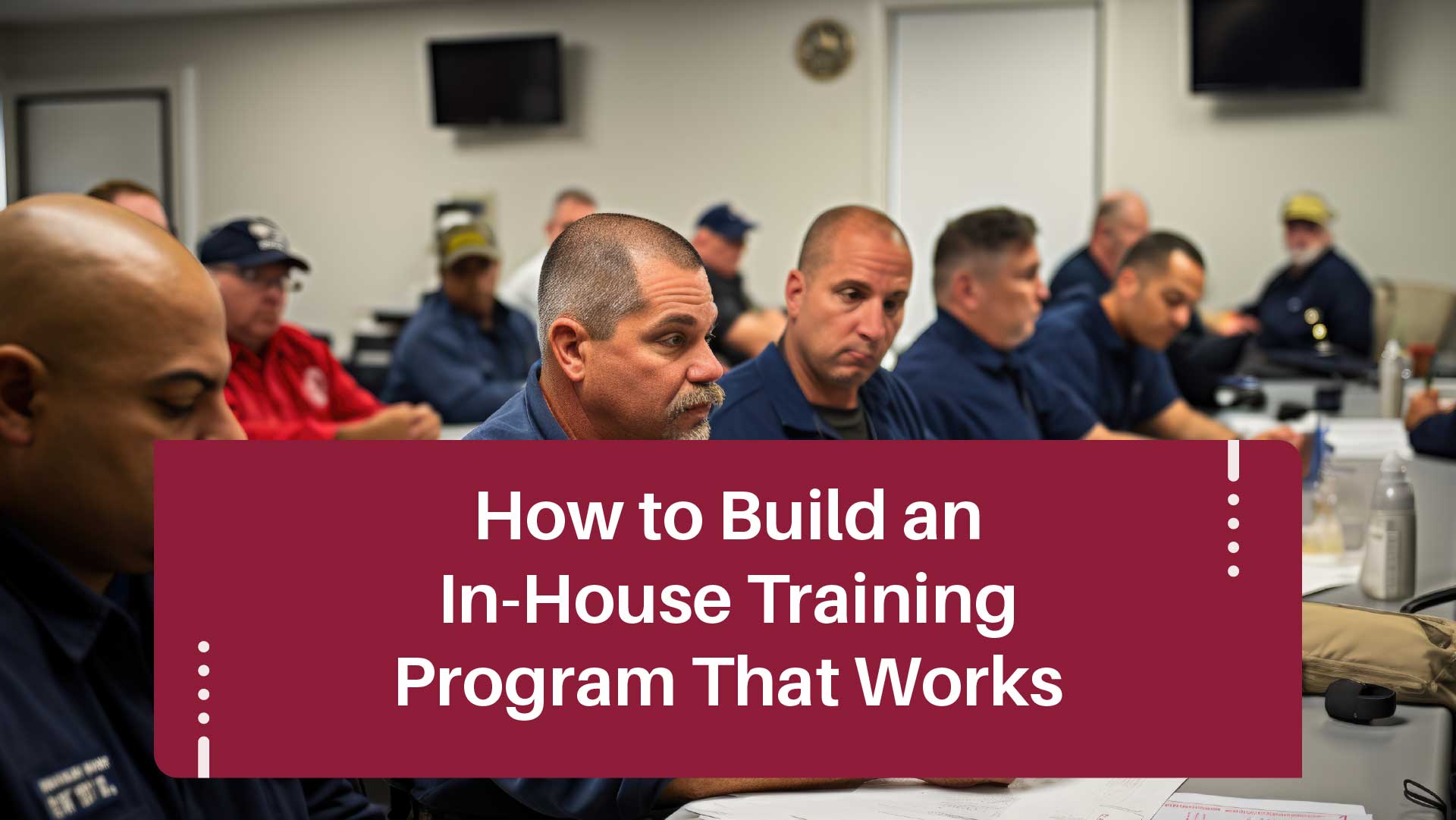
In this comprehensive guide, we'll show you exactly how to cultivate your own team of skilled professionals through in-house training programs. Whether you're running a plumbing business in need of certified technicians or a landscaping company looking to train equipment operators, we've got you covered. We'll break down everything from setting up your program to measuring its success, all while keeping it practical for small to medium-sized businesses.
Why Traditional Training Isn't Cutting It Anymore
Let's face it: traditional vocational training often feels like it's stuck in the last century. New hires come in with certificates that look great on paper, but when it comes to real-world applications? Well, that's where things get about as wobbly as a first-time apprentice on a ladder.
The problem isn't just outdated techniques – though that's certainly part of it. It's that many training programs aren't keeping up with:
- Rapidly evolving technology in HVAC and electrical systems
- Modern plumbing materials and techniques
- New roofing materials and installation methods
- Advanced landscaping equipment and sustainable practices
- Updated safety protocols and regulations
- Customer service expectations in the digital age
This means you're often spending valuable time and resources retraining new hires anyway. It's like paying for a pre-assembled cabinet only to find out you need to rebuild it from scratch.
The Real Cost of the Skills Gap
If you're feeling the pinch of the skilled labor shortage, you're not just imagining things. The gap between available jobs and qualified workers is wider than a split pipe under a foundation. This shortage affects every aspect of home services:
- Emergency response times stretch longer than a plumber's pipe wrench
- Seasonal rushes become more overwhelming than a leaf blower in autumn
- Quality control becomes harder to maintain than a level roofline
- Customer satisfaction takes more hits than a well-used hammer
- Growth opportunities slip away faster than water down a drain
Why In-House Training is Your Secret Weapon
Creating your own training program might sound about as appealing as crawling through a cramped crawl space, but it's actually your ticket to building a stronger, more reliable team. Here's why:
Complete Control Over Quality
You get to teach your standards your way. No more wondering whether a new hire's training matches your company's needs – you'll know exactly what they've learned because you taught them yourself.
Custom-Fit Training
Like a perfectly measured pipe fitting, your training program can be exactly what your business needs. Whether you're focusing on HVAC excellence or landscaping expertise, you can tailor every aspect of the training.
Real-World Experience
Your trainees aren't just learning in a classroom – they're getting hands-on experience with real situations. It's like the difference between reading about how to fix a leak and actually getting your hands wet (hopefully not too wet).
Culture Building from Day One
When you train your team in-house, you're not just teaching technical skills – you're building your company culture from the ground up. Think of it as laying a foundation that will support your business for years to come.
Building Your Training Program: A Step-by-Step Guide
Step 1: Define Your Training Goals
Before you start drawing up training plans faster than an HVAC diagram, take time to identify exactly what you need:
- What skills are most critical for your business?
- Which services do you struggle to staff most often?
- What are your current training pain points?
- How many people do you need to train?
- What certifications or licenses are required in your area?
Step 2: Create Your Training Framework
Time to build the structure of your program, like framing a house, before adding the details:
- Develop a curriculum that covers both technical skills and company procedures
- Create a timeline that balances learning with practical application
- Establish clear milestones and progress markers
- Set up a mentorship system pairing experienced pros with trainees
- Design assessment methods to ensure quality control
Step 3: Gather Your Resources
Just like you wouldn't start a job without the right tools, you need the right resources for training:
- Training materials (manuals, videos, hands-on exercises)
- Practice equipment and supplies
- Safety gear and protocols
- Documentation systems
- Assessment tools
Step 4: Implementation
Now it's time to put your program into action, like turning on a newly installed system:
- Start with a small pilot program
- Assign dedicated mentors
- Create a feedback loop for continuous improvement
- Monitor progress and adjust as needed
- Document everything (successes and failures)
Making It Work: Best Practices
Balance is Key
Like mixing the perfect concrete, you need the right balance of:
- Classroom learning vs. hands-on experience
- Individual study vs. group training
- Technical skills vs. customer service training
- Theory vs. practical application
Safety First
Make safety as much a priority as a roofer's harness:
- Comprehensive safety training from day one
- Regular safety refreshers
- Clear emergency procedures
- Proper equipment training
- Documentation of all safety protocols
Keep It Engaging
Your training should be as engaging as a well-designed landscape:
- Mix-up learning methods
- Include hands-on demonstrations
- Use real-world examples
- Encourage questions and discussion
- Celebrate progress and achievements
Measuring Success
How do you know if your training program is working better than a properly installed HVAC system? Look for:
- Improved job completion times
- Higher customer satisfaction ratings
- Reduced callbacks
- Better employee retention
- Increased service capacity
- More positive team feedback
Common Challenges (And How to Handle Them)
Time Management
Balance training time with productive work hours by:
- Creating efficient learning modules
- Using downtime for training
- Implementing a structured schedule
- Making use of slow seasons
Resource Allocation
Manage your resources like a pro:
- Start small and scale up
- Use existing equipment when possible
- Create reusable training materials
- Track training ROI
Quality Consistency
Maintain standards higher than a two-story gutter:
- Regular assessments
- Documented procedures
- Consistent evaluation methods
- Ongoing feedback loops
Taking the Next Step
Ready to start building your own training program? Here's your action plan:
- Assess your current needs and gaps
- Draft your basic training framework
- Identify potential trainers within your organization
- Create a pilot program timeline
- Set up measurement systems
Remember, building a successful training program is like any other home service project – it takes planning, the right tools, and attention to detail. But the results? They're worth more than a perfectly installed central air system on the hottest day of summer.
Need Help Getting Started?
Creating an in-house training program might seem as daunting as a complete home renovation, but you don't have to figure it out alone. At Cube Creative, we understand the unique challenges facing home service businesses. We can help you develop strategies not just for training but for growing your entire business.
Ready to build a stronger future for your home service business? Contact me to learn how we can help you develop a winning strategy for growth and success.