Social media analysis is essential for understanding how your brand is perceived by the vast audiences that engages online. With 62.3% of the world’s population using social media and an average daily usage of 2 hours and 23 minutes, analyzing sentiment allows businesses to tap into the emotions and opinions expressed in real time. (Source: Datareportal)
By monitoring and interpreting these insights, companies can quickly address customer concerns, enhance their marketing strategies, and foster stronger connections with their audience, ultimately improving customer satisfaction and brand loyalty.
If you want to know more, keep reading.
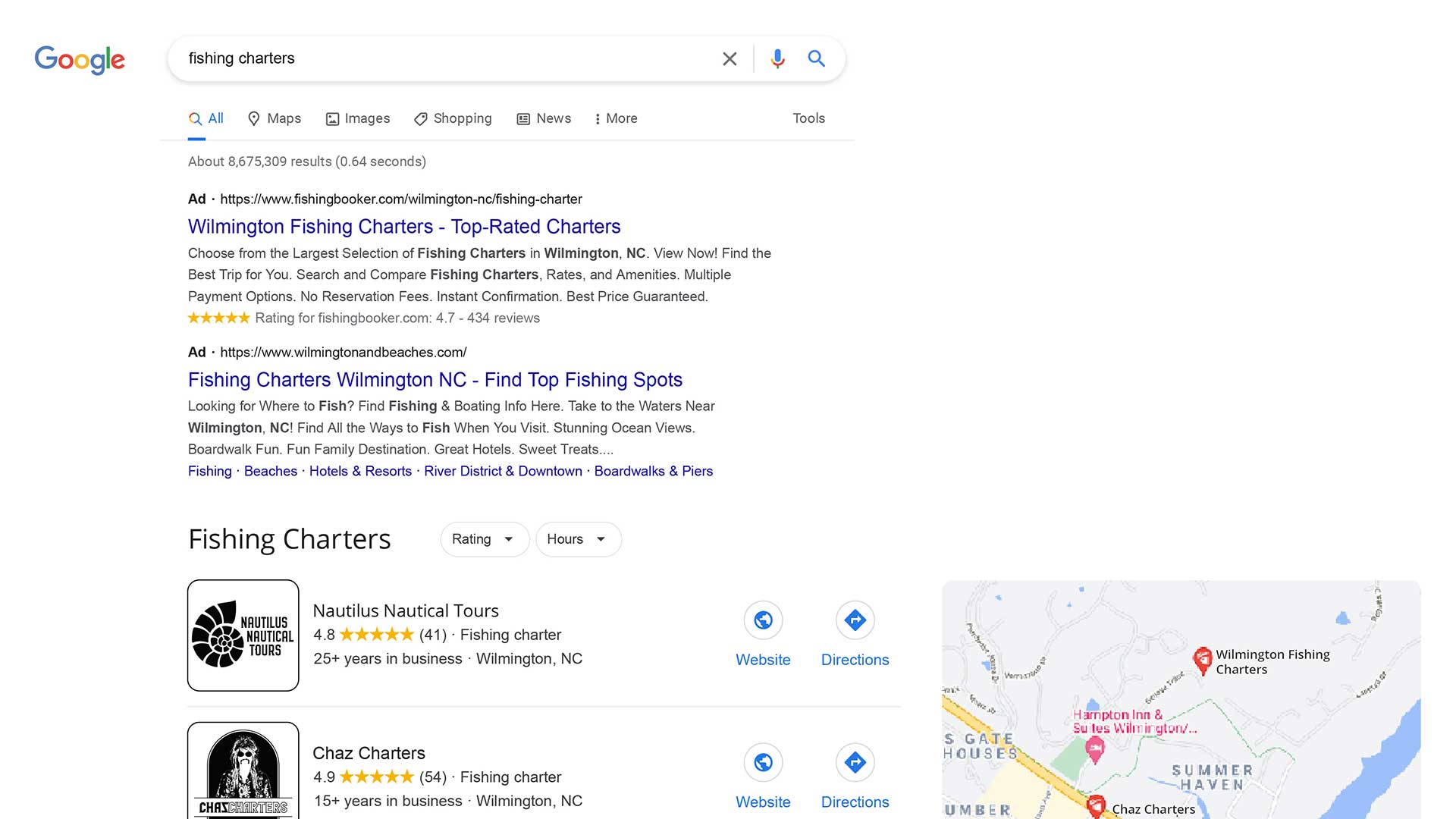
Getting higher results on Google might make all the difference in today's internet world between being discovered and overlooked. Knowing the principles of Google's first-page ranking calls for more than simply keywords. It's about providing helpful material that connects with people. The three most important ranking elements in Google search results are high-quality content, page experience, and internal and external links.

Imagine you're running a digital advertising campaign, carefully tracking each interaction to gauge your success. Then you notice something strange—a surge in activity that doesn't lead to real engagement. This scenario is all too common and points to a widespread issue: click fraud. While these engagements look legitimate at first glance, they are often generated by bots or click farms, draining budgets and skewing metrics.
This type of fraud undermines the effectiveness of online advertising, leaving businesses frustrated with wasted spend and inaccurate performance data. As fraudsters become more sophisticated, it's clear that traditional methods aren't enough to combat the problem.
To stay ahead, advertisers must adopt advanced tools to ensure their campaigns remain effective and trustworthy.
Imagine sitting down after a long day and scrolling through your favorite social media feed. What catches your attention first? A text post? Probably not. A video? Definitely. It’s no surprise then that 54% of businesses rely on video marketing as their go-to strategy—it’s not just a trend, it’s a proven powerhouse for connecting with audiences and driving growth. And it’s not just brands; influencers are using video content to skyrocket their reach and grow their businesses faster than ever.
But here’s the big question: Why is video marketing still the most effective way to engage people?
Well, for starters, the numbers speak for themselves. Did you know that on average, humans spend a whopping 17 hours per week watching online videos? That’s a massive opportunity to grab attention, tell your story, and make your brand unforgettable.